
Last updated November 16, 2026
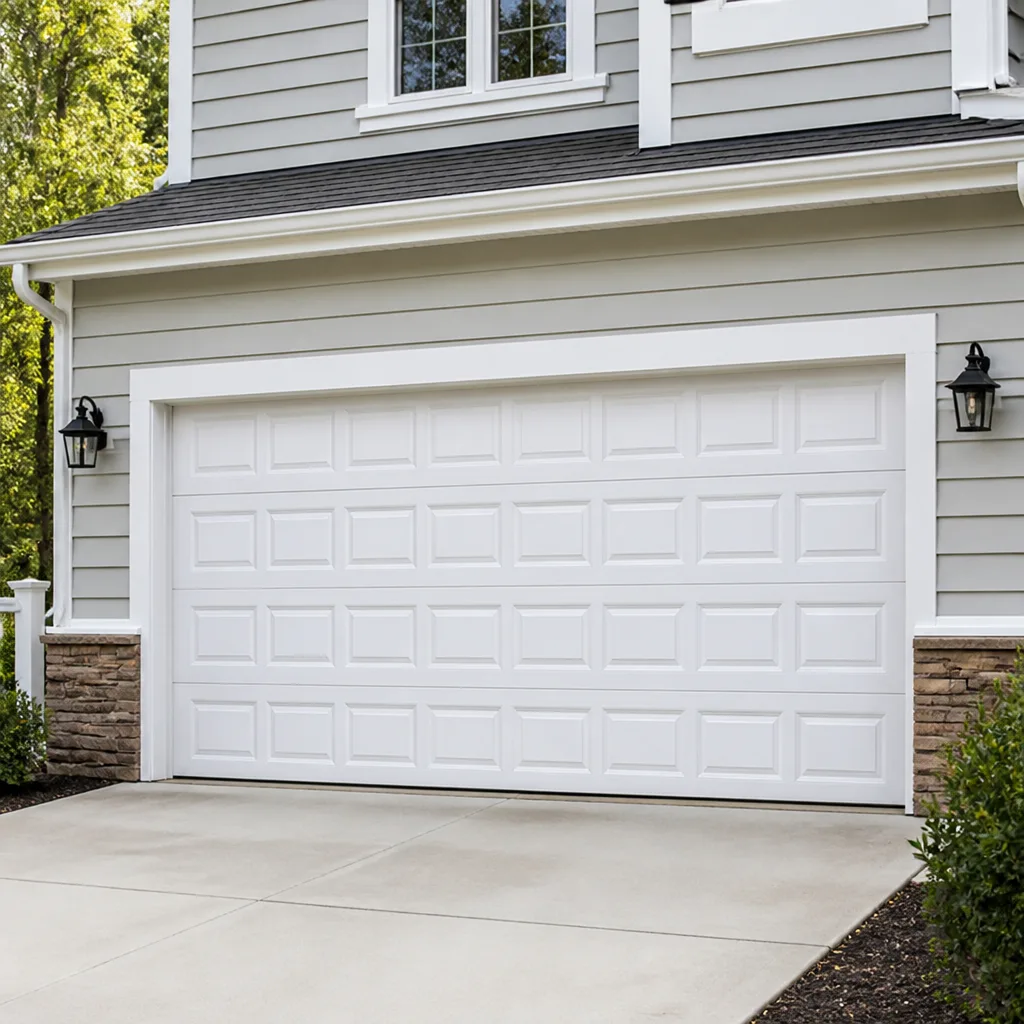 Raised-panel steel
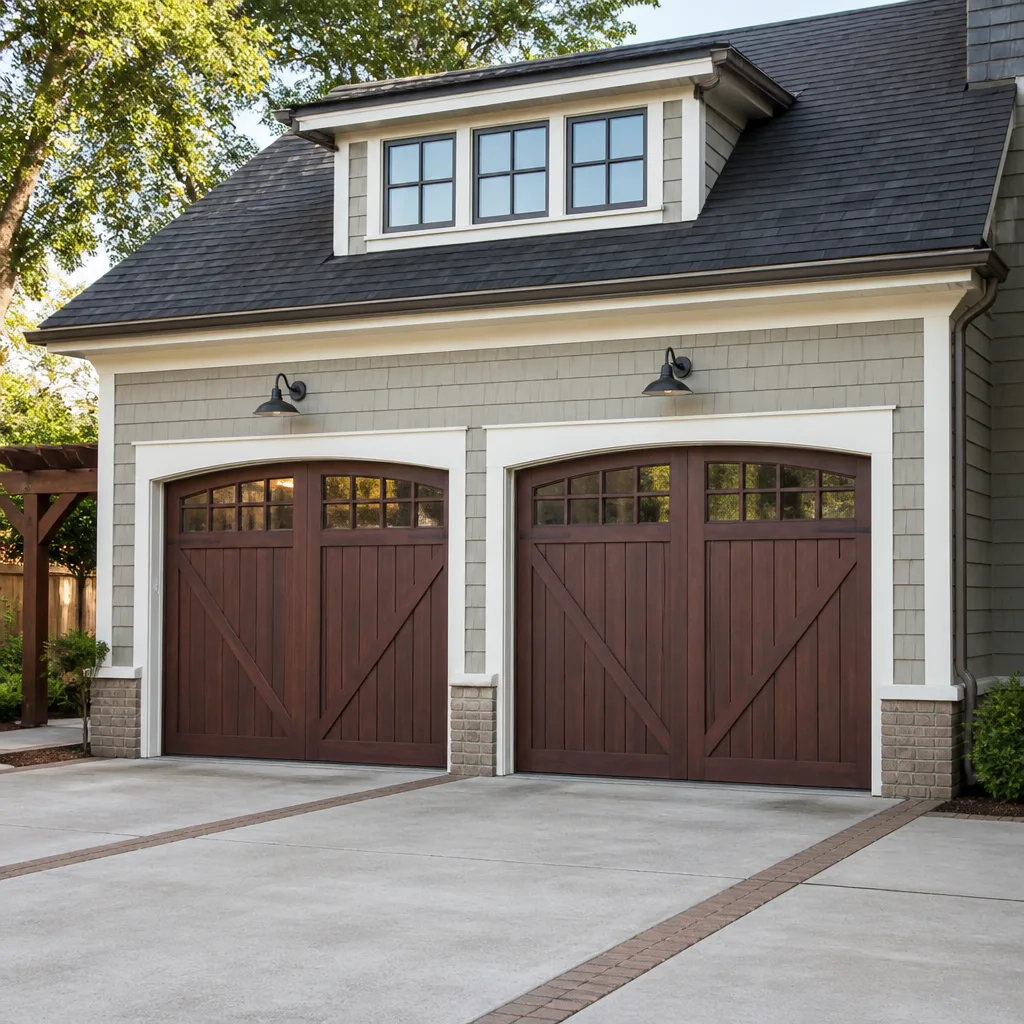 Carriage house
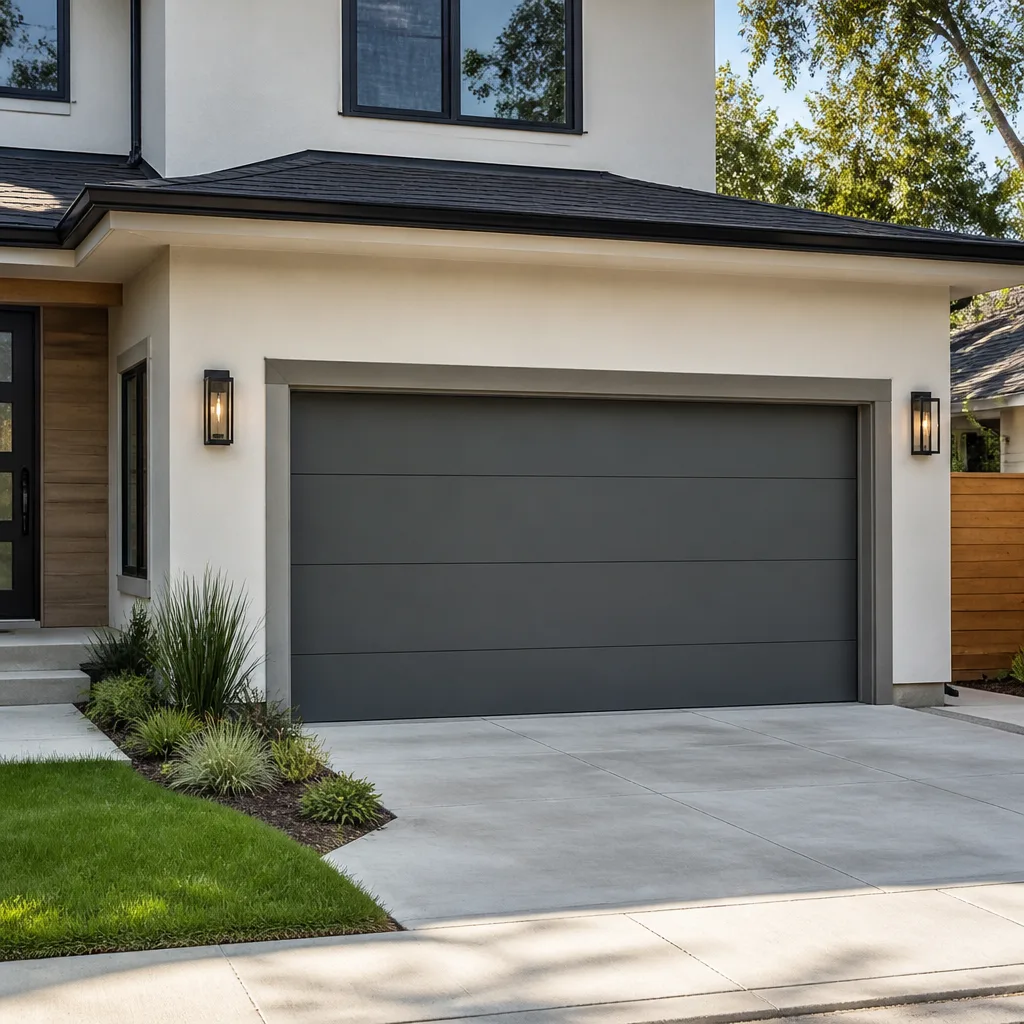 Modern flush
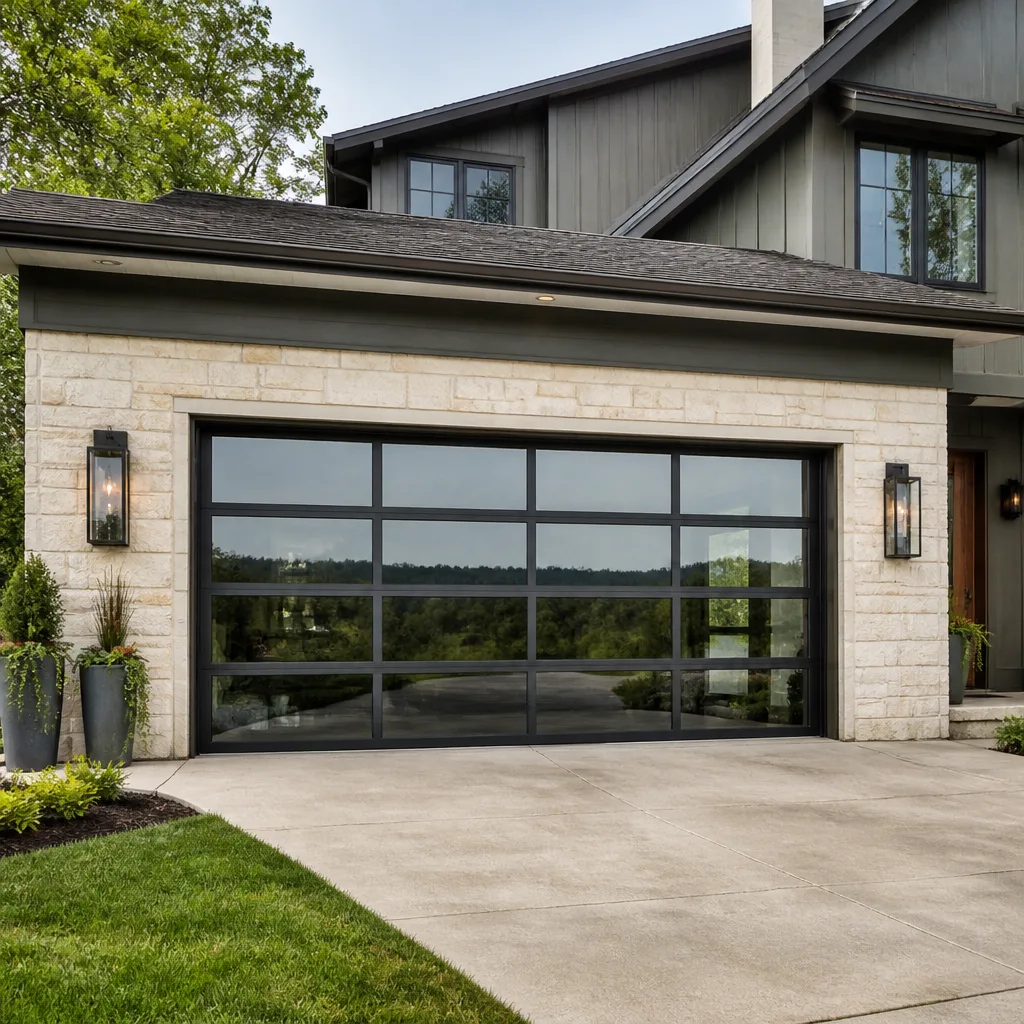 Full-view glass
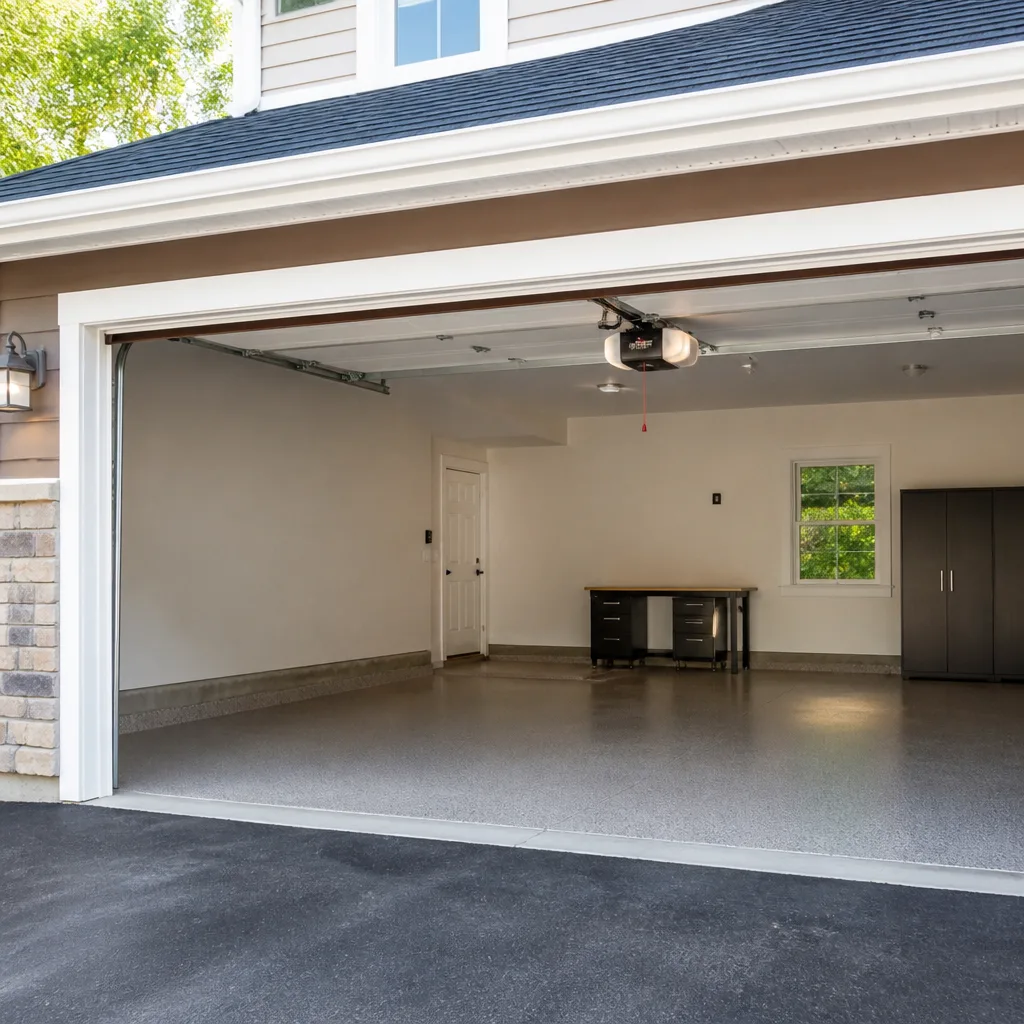 LiftMaster openers
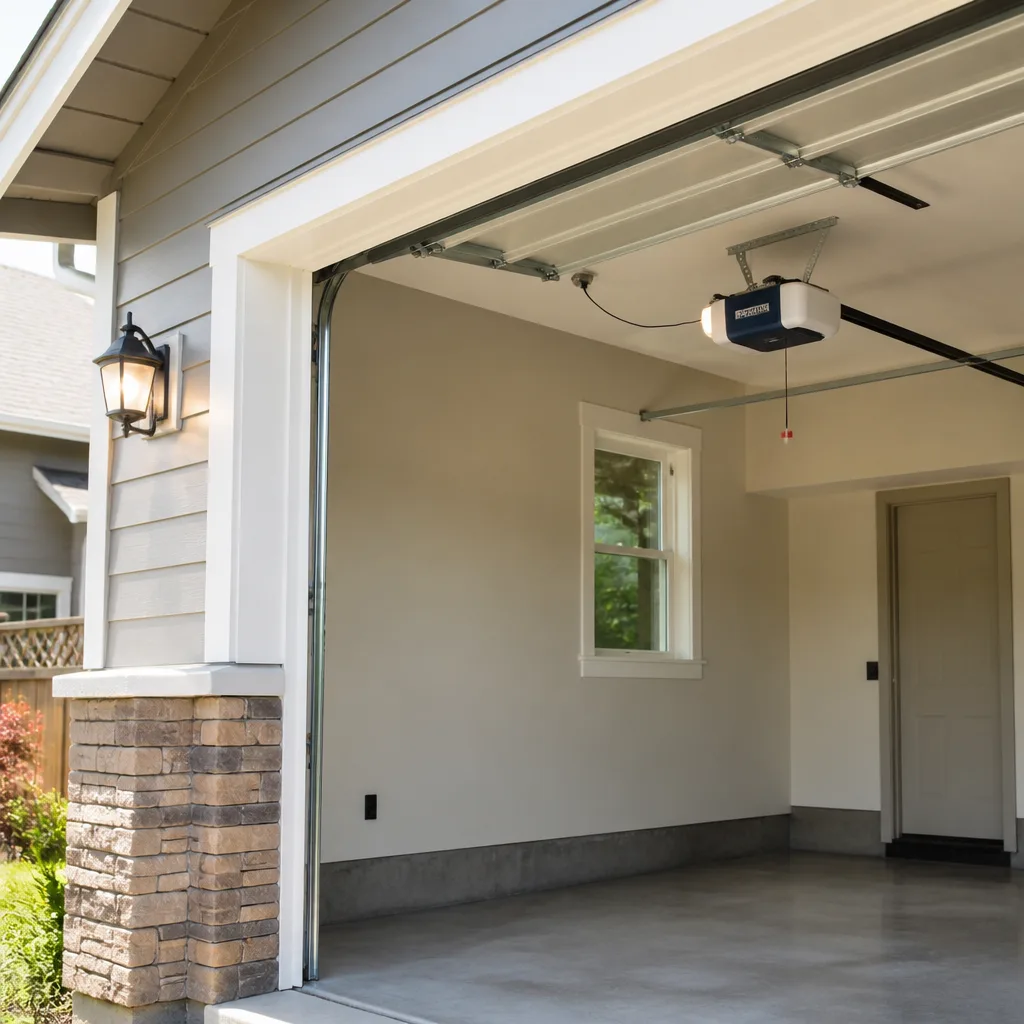 Chamberlain openers
Full 25-point door and opener safety check with every visit - springs, cables, rollers, tracks, and your LiftMaster or Chamberlain opener included
You get a price before we start. It does not change when the pro arrives.
Get your free estimateGarage Door Permits, Codes & Inspections in Miami Gardens, FL: What You Need to Know
Most homeowners in Miami Gardens assume a garage door job is either a “repair” that needs no paperwork or a “replacement” that the installer handles from start to finish. Both assumptions get people into trouble. A repair can be a code-triggering alteration, and a replacement can stall at final inspection because the door itself was never approved for this market to begin with. The single most overlooked part of the process isn’t the permit fee or the inspection checklist. It’s the product approval, or the lack of one, attached to the door on your house.
This guide walks through the whole sequence: what legally requires a permit in Miami-Dade County, how the product approval system works, what inspectors actually examine, how unpermitted work can affect insurance and resale, and what to do if you’ve inherited a door that was never compliant. If you’re planning a garage door project in Miami Gardens, this is the paperwork and code side of it, laid out in order.
Quick Answer
A garage door replacement in Miami Gardens requires a permit in nearly every case, and the door plus all its operational hardware must carry a valid Miami-Dade product approval number before the inspection. A mechanical repair that doesn’t change the door’s size, structure, or anchoring often does not require a permit, but the line between “repair” and “alteration” is narrower than most people think. The written contract, the approved product documentation, and the inspection sequence all need to line up before a single hole is drilled.
Styles & brands we work with
- Raised-panel steel
- Carriage house
- Modern flush
- Full-view glass
- LiftMaster openers
- Chamberlain openers
Table of Contents
- Which Garage Door Projects Need a Permit in Miami-Dade?
- Which Garage Door Projects Are Genuinely Exempt?
- How the Miami-Dade Notice of Acceptance (NOA) System Works
- How to Look Up a Door’s Approval Status Before You Sign
- The Inspection Sequence for a Permitted Installation
- How Unpermitted Work Affects Insurance and Resale
- What to Do If You Inherited a Non-Compliant Door
- Common Mistakes to Avoid
Which Garage Door Projects Need a Permit in Miami-Dade?
Any project that replaces a garage door, changes its size or configuration, or alters how the door is anchored to the structure requires a permit in Miami-Dade County. That’s the short answer for most Miami Gardens homeowners. The county’s building code is written around wind resistance, and a garage door is one of the largest openings on a house, so the county treats it as a structural component rather than a cosmetic finish.
Here’s what typically triggers a permit:
- Full door replacement with a new door and new hardware. Permit required.
- Changing the door’s size or configuration, including converting a double door to two single doors.
- Changing the door’s wind rating to a different approved product.
- Replacing or modifying the anchoring system, including the brackets and reinforcement that hold the door’s hardware to the framing.
- New construction openings or enclosing or opening a garage bay.
- Reinforcement retrofits designed to bring an older door up to a current wind-load standard.
What often surprises people is how much of a “repair” is actually an alteration. Swapping a single panel on a door can be a repair if the panel matches the original product and the anchoring isn’t touched. But if the panel isn’t from the same approved product line, or if the new panel changes the door’s structural behavior, the job just became permit-worthy. Whether a panel is available for an older door depends heavily on the brand. Craftsman, Raynor, LiftMaster, and Chamberlain equipment shows up on a lot of older Miami Gardens homes, and panel availability varies widely by model and year. That’s why we ask about the door’s make and model before quoting anything.
If you’re unsure which side of the line your project falls on, that’s a direct call to the City of Miami Gardens building department. They’ll tell you what they want to see, and their answer is the one that matters.
Which Garage Door Projects Are Genuinely Exempt?
A repair that restores a door to its existing approved condition without changing its size, anchoring, or product identity generally does not require a permit. That’s the practical test. If the work puts the door back the way it was and doesn’t change what was originally approved, you’re usually in exempt territory.
Examples of work that usually doesn’t need a permit:
- Replacing a torsion or extension spring of the same size and rating.
- Replacing rollers, hinges, cables, or bearings.
- Servicing or replacing a garage door opener on the same door, provided the door’s structure doesn’t change. Opener work is a distinct service category, and the permit rules are simpler here. See garage door opener repair for what that work involves.
- Replacing a weather seal or bottom rubber.
- Realigning track, adjusting spring tension, or correcting a door that has come off its track.
But the exempt category has edges, and they’re the reason people get in trouble. A new opener on a door that was never approved is not exempt: the door itself was never compliant, and installing new motorized hardware on top of it doesn’t fix that. Replacing a panel with a mismatched product isn’t exempt. And any work that involves opening the wall, changing the mounting points, or altering the structural connection isn’t exempt, no matter how small the change looks.
In Miami Gardens, this is where a professional diagnosis matters. A trained technician can tell you within a few minutes whether your door is in its originally approved configuration, or whether a previous owner modified it in a way that would make any “repair” a code issue. The written estimate we give you will say which side of the line the job is on. For repair work that doesn’t need a permit, see garage door repair.
Safety note: springs, cables, and the reinforcement brackets that tie a door into the wall are under significant tension and carry real injury potential. Don’t attempt to check or adjust them yourself. This is a trained professional’s job.
How the Miami-Dade Notice of Acceptance (NOA) System Works
A Miami-Dade Notice of Acceptance (NOA) is a product-specific approval document issued by the county that certifies a product meets the county’s wind-resistance requirements. For garage doors, that means the door, its panels, its hardware, and its anchoring system have all been tested as an assembly and approved for use in Miami-Dade County. An NOA is not the same as a manufacturer’s spec sheet. It’s a county-issued document with an approval number, a manufacturer, a product description, and a statement of what the product is rated for.
Why this matters for a Miami Gardens homeowner is simple. When an inspector shows up for the final inspection, the door on your house needs to match an approved product in the county’s records. If the door doesn’t match an approved product, the inspector can fail the job even if the installation itself is perfect. That failure isn’t the installer’s problem alone. It’s your project, your permit, and your house.
The NOA system works like this:
- The manufacturer tests the product as an assembly and submits results to the county.
- The county issues an NOA document with a unique number and a description of the approved product.
- The NOA lists conditions, including the approved anchoring method, the approved substrate, and any installation limits.
- The installer must install the door exactly as the NOA describes. A different anchor pattern, a different bracket, or a different wall condition than the NOA specifies can fail the inspection even if the same door is used.
- The inspector verifies the door and its installed anchoring against the NOA at final inspection.
That fourth step is the one people miss. An NOA isn’t a blanket “approved” stamp. It’s a stamp with conditions, and the installation has to match them. Different NOAs cover different anchoring methods depending on whether the garage wall is concrete block, wood frame, or something else. In Miami Gardens, where construction styles vary by neighborhood, this matters.
The brands we work with most often on the installation side all publish NOA documentation for their products. Clopay and Amarr both have approved products for this market, and the specific approval number depends on the model and the assembly. When we quote an installation, the NOA number for the product we’re proposing goes into the written estimate so you can verify it yourself before signing.
How to Look Up a Door’s Approval Status Before You Sign
You can look up any garage door’s Miami-Dade approval status through the county’s online product approval search before you sign a contract. That’s the single most useful tool in this entire process. It’s free, it’s public, and it takes a few minutes.
Here’s the practical sequence:
- Ask the contractor for the exact product model number, not the brand name. “A Clopay door” is not enough; you need the exact model, the door height and width, and the panel configuration.
- Ask for the NOA number. A contractor who knows this market can give it to you in writing. If they can’t, that’s a data point.
- Search the county’s product approval database using the NOA number, or the manufacturer and product description.
- Read the NOA conditions. Check that the approved anchoring method matches your garage wall type and that the size on the NOA covers your opening.
- Keep a printed copy of the NOA in your project file. Your inspector may ask for it, and even if they don’t, you’ll want it for insurance and resale.
Red flags in this step are usually about documentation, not the door itself. A contractor who can’t provide an NOA number is either proposing a product that isn’t approved, or one who hasn’t done this work in Miami-Dade before. Either one is a problem worth pausing on. The other red flag is an NOA whose approved anchoring method doesn’t match your wall. A wood-frame garage and a concrete block garage can both be valid, but a door approved for one isn’t automatically approved for the other unless the NOA says so.
We keep the approval documentation for every brand we install, whether that’s a LiftMaster opener paired with a new door or a Chamberlain unit added to an existing one. If a product doesn’t have a valid NOA for this market, we don’t propose it. That’s not a marketing point. It’s the only way we can put a number in a written estimate and stand behind it at inspection.
The Inspection Sequence for a Permitted Installation
A permitted garage door installation in Miami Gardens typically goes through two inspections: a rough-in inspection before the door is fully installed, and a final inspection once the door is operational. The rough-in confirms the opening and anchoring preparation. The final confirms the installed assembly matches the approved product and works correctly.
Here’s the general sequence most projects follow:
- Permit application filed with the City of Miami Gardens, including the product approval documentation.
- Permit issued, usually with conditions about what the inspector will check.
- Rough-in inspection after the opening is prepared and the anchoring is in place but before the door is fully hung.
- Door installation per the approved product’s NOA conditions.
- Final inspection of the installed door, hardware, anchoring, and operation.
- Certificate of completion or final sign-off issued, which you keep with your property records.
What inspectors actually look at goes beyond whether the door opens and closes. They verify that the door on the label matches the NOA on file, that the anchoring method matches the approved installation, and that the door is properly balanced and safe to operate. Panel labels matter here. Most approved doors carry a label or marking that ties the specific door to its approval, and the inspector looks for it.
We’ve seen inspections fail for reasons that have nothing to do with installation quality: a door installed in the right place but with a bracket that wasn’t the approved bracket, or an NOA that covered a slightly different size than the one installed. Those are documentation problems, and the fix is to correct the document, not the door. That’s why the written estimate for an installation in Miami Gardens includes the approval documentation up front. It makes the inspection predictable.
How Unpermitted Work Affects Insurance and Resale
Unpermitted garage door work can affect both your homeowner’s insurance coverage after a storm and your disclosure obligations when you sell. The insurance exposure is the bigger one, and it’s often invisible until a claim is filed. Many Florida homeowners’ policies contain conditions about permitted work, and an adjuster reviewing a storm claim may ask to see the permit and final inspection sign-off for any garage door that was replaced.
What that looks like in practice:
- Claims questions: If your policy conditions coverage on permitted work and you can’t produce the permit, the adjuster may have questions about the claim. That’s not the same as automatic denial, but it’s a problem you don’t want to discover after a storm.
- Disclosure when selling: Florida sellers are generally required to disclose known material defects and known unpermitted work. An unpermitted garage door replacement that a buyer’s inspector flags becomes a negotiation issue at best.
- Financing and appraisal: An appraiser or lender reviewing a home can flag unpermitted work, which can complicate a sale or refinance.
The fix isn’t complicated, but it has to happen before a storm, not after. If a door was replaced without a permit, the practical options are to either pursue a retroactive permit or to document the existing installation as thoroughly as possible. Retroactive permitting isn’t guaranteed, and whether a city will accept one depends on the specific installation. That’s a conversation to have with the building department.
We can help with documentation, in the sense that we can inspect an existing door, identify the product, and confirm whether it appears to match an approved product. What we can’t do is file paperwork on a door that isn’t ours, or guarantee that a city will accept a retroactive submission. That’s the city’s call. But a clear picture of what’s actually installed is the starting point, and that we can provide.
What to Do If You Inherited a Non-Compliant Door
If a previous owner installed a non-compliant door, you have three practical paths: full replacement, product-matching documentation, or a retrofit that brings the existing door into compliance. Which one makes sense depends on the door itself, the wall it’s mounted to, and how much of the original hardware is intact.
Path 1: Full replacement. A new door with a current NOA and a permit. This is the cleanest path and the most expensive, but it resolves the issue completely. It’s usually the right answer when the existing door is old enough that no approved product matches it, when the hardware is worn, or when the wall itself needs work.
Path 2: Documentation and product-matching. Sometimes the door on the house is actually an approved product, just installed in a way that doesn’t match the NOA’s conditions. In that case, the fix might be correcting the anchoring to match the NOA, then filing for a permit and inspection on the corrected installation. That’s less expensive than a full replacement, but it only works if the door’s approval status can be confirmed and the wall condition supports the approved anchoring method.
Path 3: Retrofit. Some older doors can be brought into compliance with a reinforcement kit designed for the specific door model. Whether that’s allowed depends on the door’s original approval documentation, if any, and on whether the city will accept a retrofit as equivalent. This is the most conditional of the three paths, and it needs a conversation with the building department before anyone spends money.
What we do in Miami Gardens for this situation is start with an inspection. We identify the door’s make and model, check whether it matches an approved product, and look at the anchoring. Then we tell you which of the three paths is realistic. Sometimes the answer is that the door is fine and the paperwork is the only issue. Sometimes the door itself has to go. We’d rather tell you that up front than sell you a door you don’t need.
Safety note: if the inherited door shows signs of anchor corrosion, loose brackets, or a door that doesn’t balance correctly, treat it as a safety issue before a code issue. A door that isn’t properly anchored is a real hazard, and it needs a trained professional to assess it. Don’t test it yourself.
Common Mistakes to Avoid
- Assuming “repair” means “no permit.” A panel replacement that changes the door’s product identity or its structural behavior is not a repair. Ask before you buy anything.
- Signing a contract without an NOA number. If the estimate doesn’t name the specific product and its approval, you’re signing off on a product you haven’t verified. The number belongs in the written estimate, not in a follow-up email.
- Confusing a manufacturer’s spec sheet with a county approval. A spec sheet from the brand doesn’t prove the product is approved in Miami-Dade. Only the NOA does.
- Assuming an approved door is automatically approved for your wall. NOAs list approved anchoring methods and substrates. A door approved for one wall condition isn’t automatically approved for another.
- Skipping the final inspection sign-off. The permit paperwork matters as much as the door. Keep the certificate and the NOA with your property records. You’ll want them at resale or if you file a claim.
- Using an installer who doesn’t know the local process. A crew that does great work in another state can still fail a Miami Gardens inspection if they don’t know the NOA and anchoring requirements.
- Letting an inherited non-compliant door sit unresolved. The problem doesn’t get smaller, and the options for fixing it get narrower over time. Get it documented and decide on a path.
See the difference
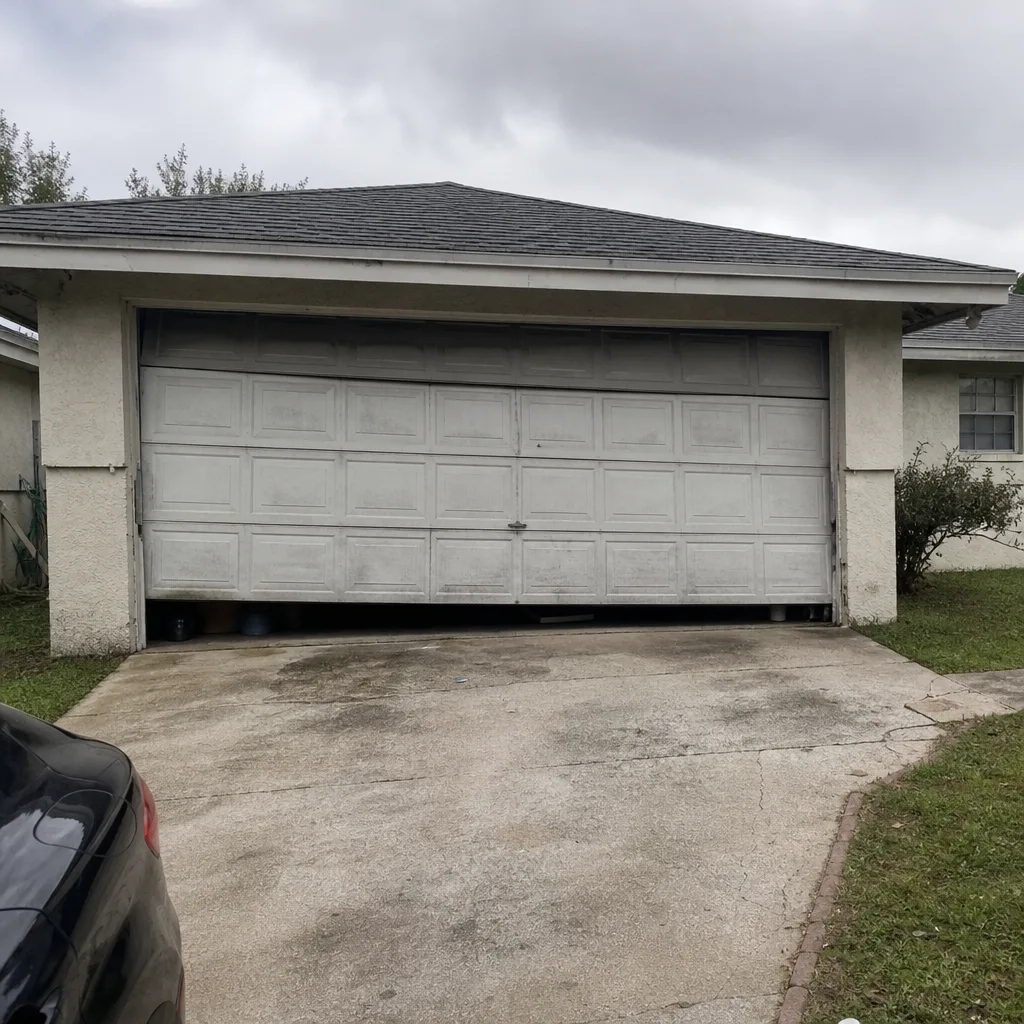 Before
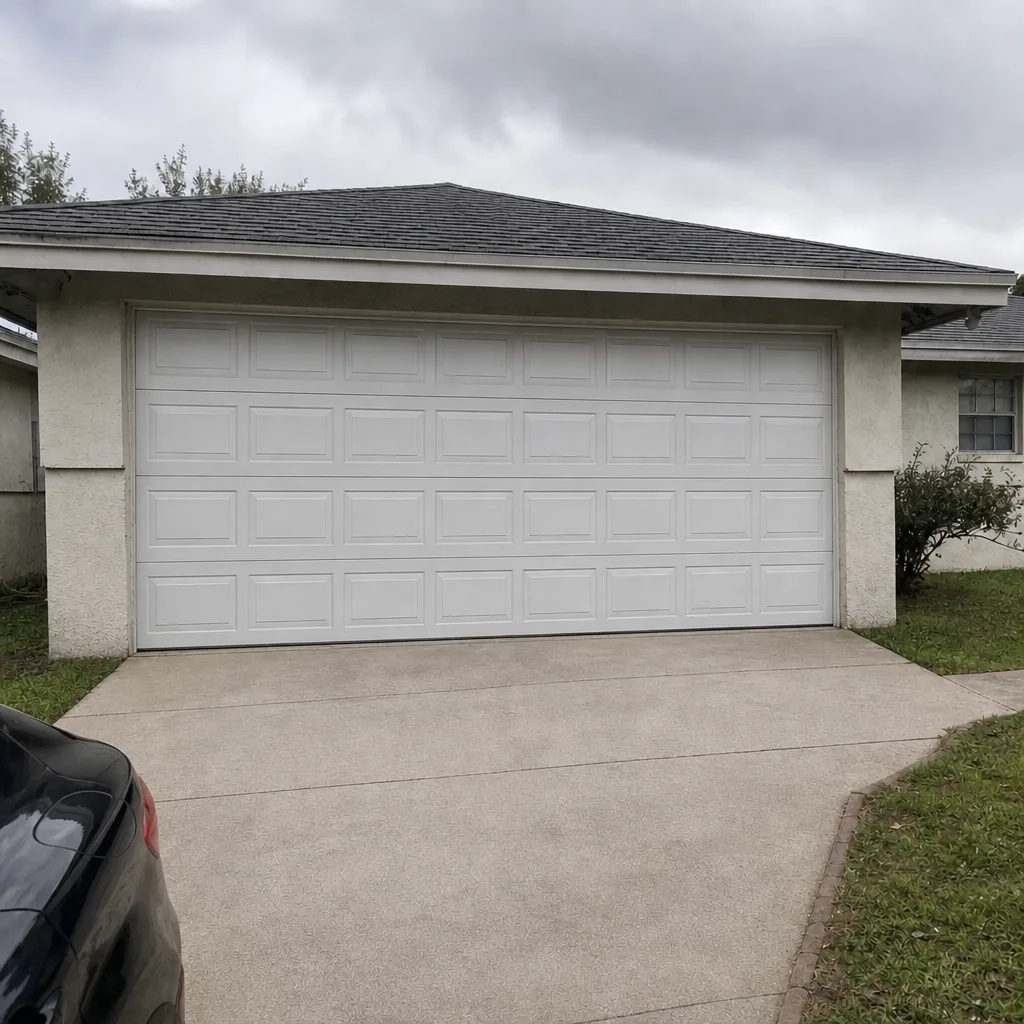 After
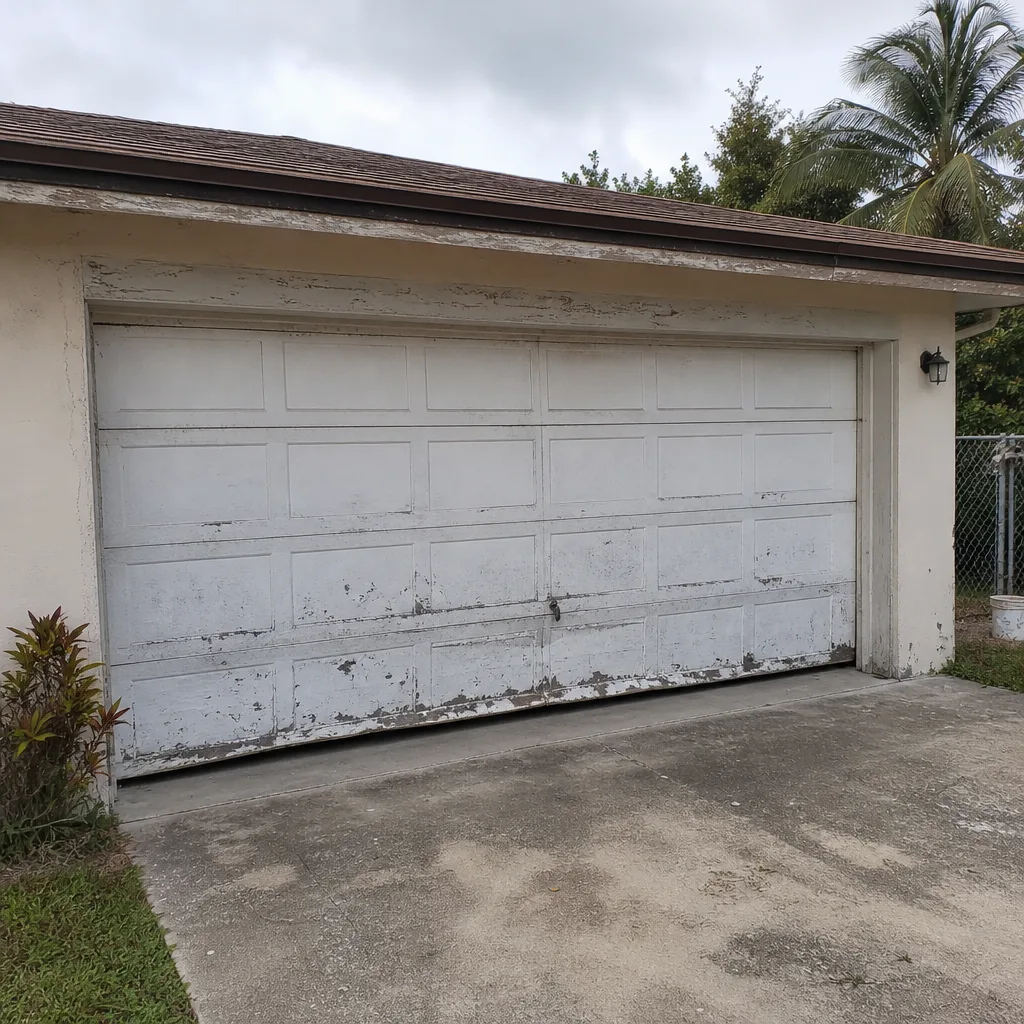 Before
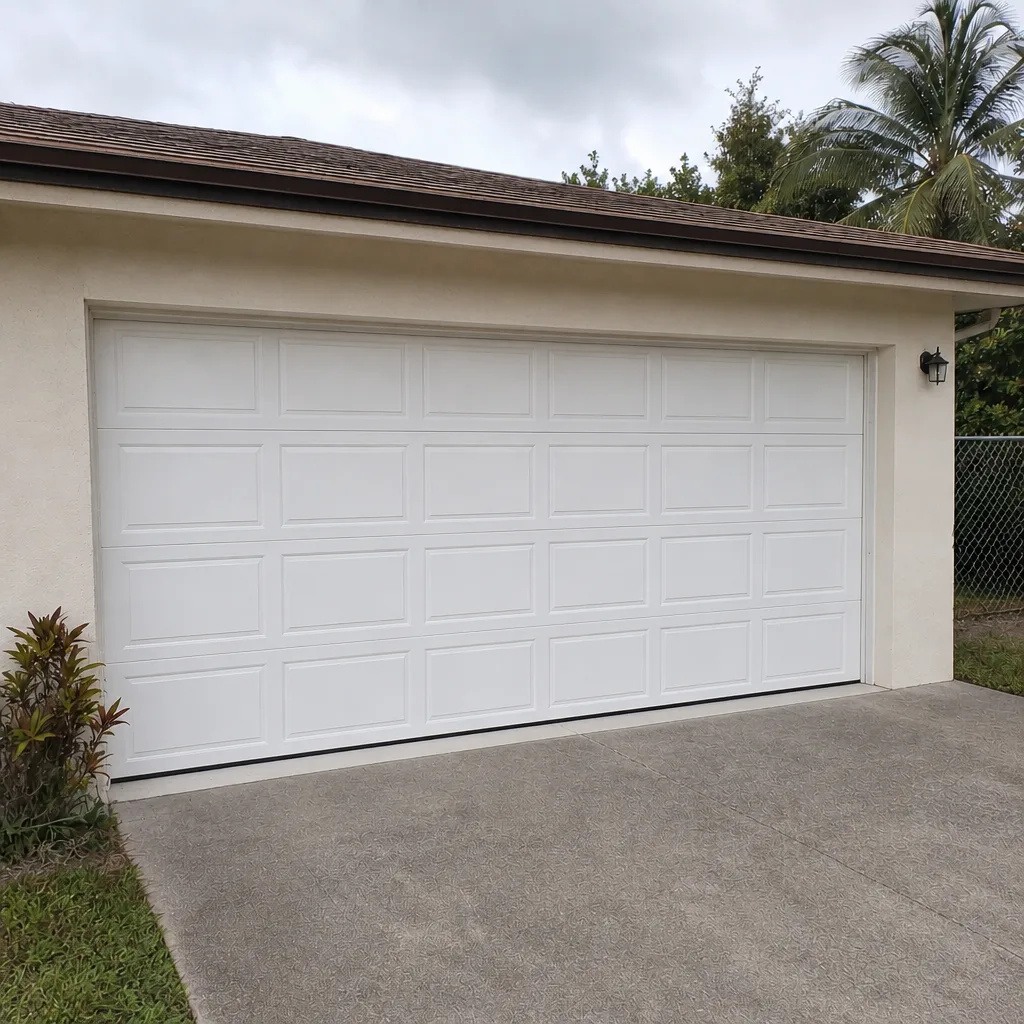 After
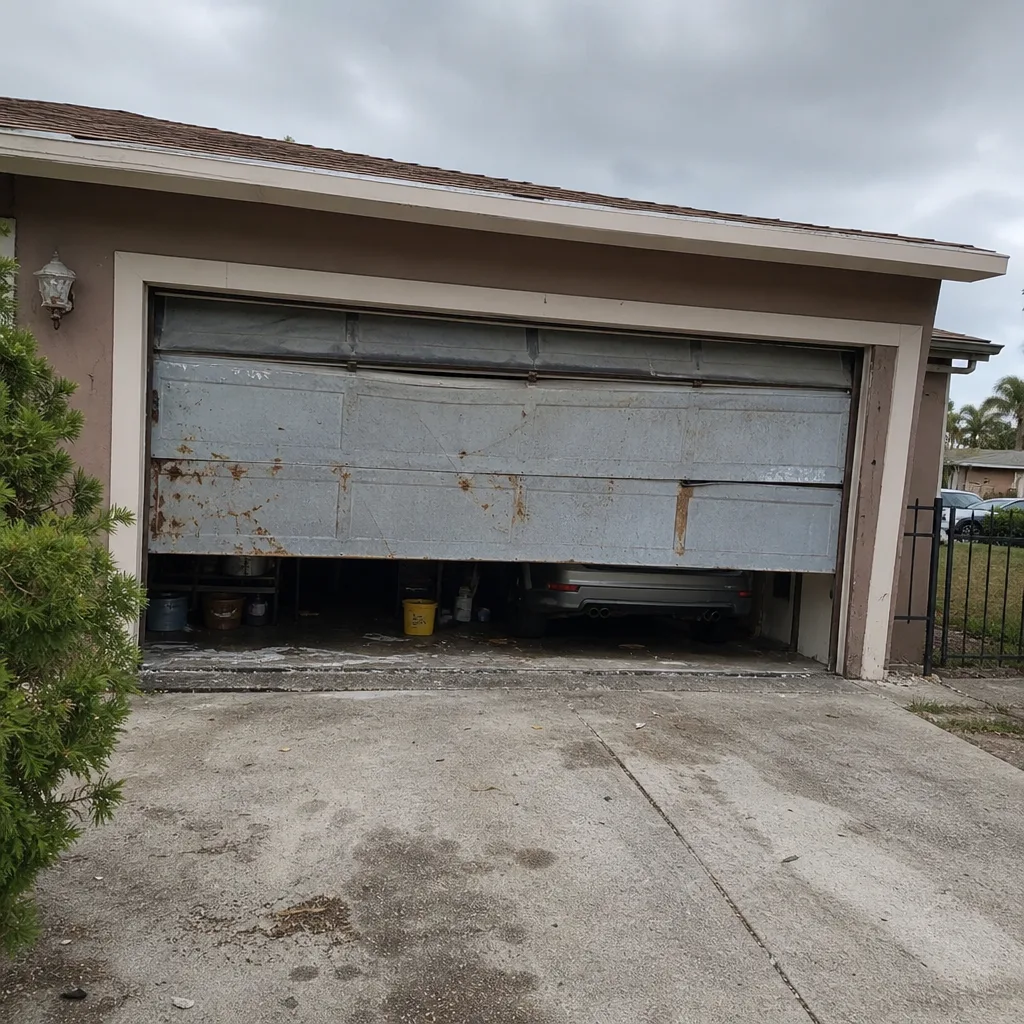 Before
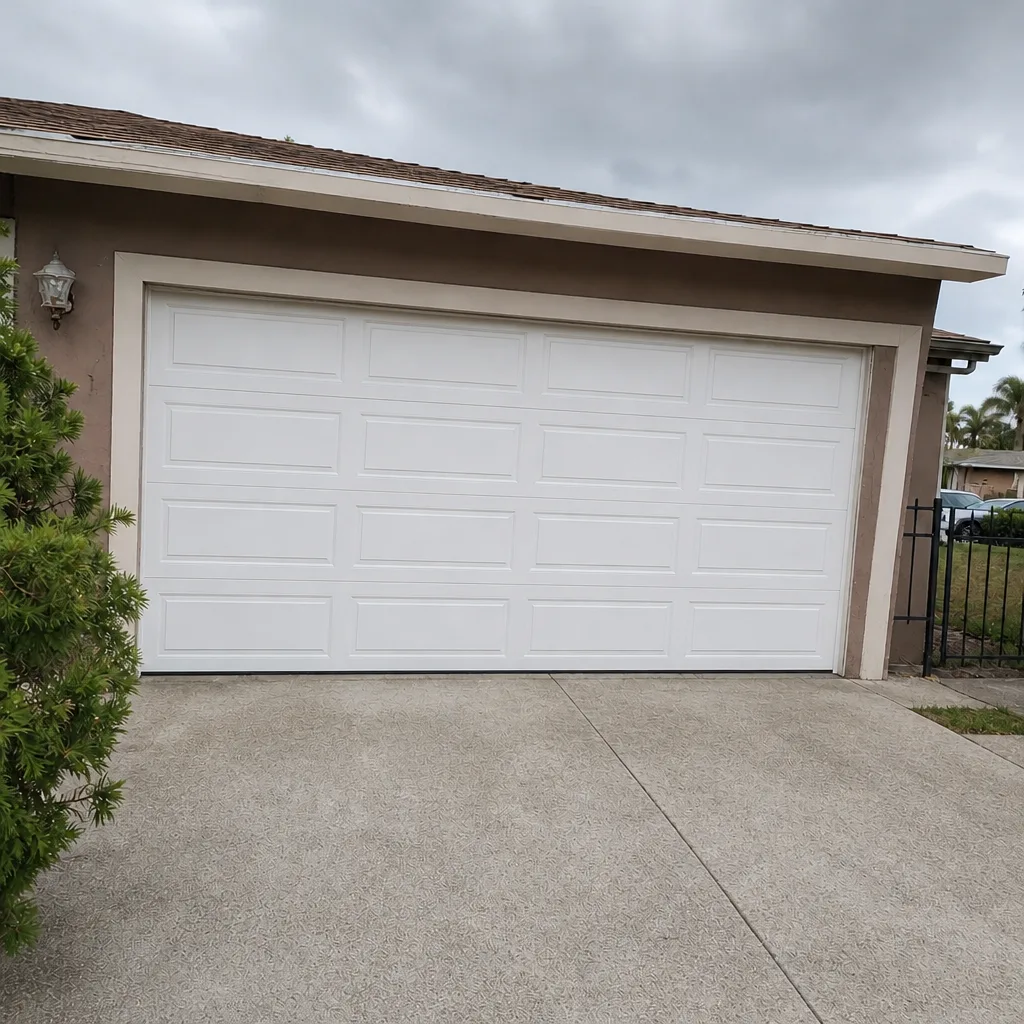 After
When to Call a Professional
Call a professional before you sign anything on a door replacement, before you assume a panel swap is exempt, and before you file anything with the city. Call us sooner if you’ve inherited a door you can’t verify, if you’re not sure whether the door on your house matches an approved product, or if a planned project includes changing the opening, the anchoring, or the door’s size. We handle the full picture, from brand-specific diagnosis on Craftsman, Raynor, and other equipment through installation, and we can tell you quickly whether a job needs a permit and what documentation it will take.
Sunstone Garage Door Repair offers free estimates in Miami Gardens. Call (855) 360-7295. We answer 24/7. Fast dispatch from 7am to 7pm, Sunday through Friday.
For a broader look at what we do across the city, see Miami Gardens and the main Sunstone Garage Door Repair page.
Frequently Asked Questions
Yes. A full garage door replacement requires a permit through the City of Miami Gardens in nearly every case. The door also needs a valid Miami-Dade product approval (NOA) number before the final inspection. The permit fee is separate from the door and installation cost, and your written estimate should spell out what’s included. Call (855) 360-7295 for an exact quote – estimates are free.
Most garage door installations in Miami Gardens land in the roughly $1,200 to $4,500 range depending on door size, material, wind rating, and the repair or reinforcement work the opening needs. Standard single doors on the lower end, larger wind-rated doors and more complex installations on the upper end. The written estimate you get after a measure sets the final price, and that price is agreed before any work starts. Call (855) 360-7295 for an exact quote – estimates are free.
A Miami-Dade Notice of Acceptance (NOA) is a county-issued document certifying a specific garage door product has been tested and approved for wind resistance in this market. It matters because the inspector verifies your installed door against an approved product, and a door without one can fail inspection. It also comes up in insurance claims after a storm. The NOA number should be in writing before you sign a contract.
Yes. The county maintains an online product approval database you can search by NOA number, manufacturer, or product description. Ask your contractor for the exact model and the NOA number, then verify it yourself in the database. It takes a few minutes and is the best protection against a product that isn’t approved for this market.
You have three paths: full replacement with a permit, correcting the installation to match an existing approval, or a retrofit that brings the door into compliance. Which one works depends on the door’s product identity and the wall condition. Start with an inspection to identify the door and confirm its approval status. Call (855) 360-7295 for an exact quote – estimates are free.
The professionals who perform garage door work through us are state-licensed and insured, and our technicians have up to 8 years of experience. When a permit is involved, ask your installer for their license number and confirm it before work begins. For help with a project in Miami Gardens, call (855) 360-7295. We answer 24/7. Fast dispatch from 7am to 7pm, Sunday through Friday.
The Bottom Line
The permit and code side of a garage door project in Miami Gardens isn’t complicated once you know the sequence. A replacement needs a permit. A repair usually doesn’t, unless it changes the door’s product identity or anchoring. Every door on a permitted job needs a valid Miami-Dade NOA number, and the installation has to match the NOA’s conditions, not just the brand name. Get the NOA number in writing before you sign, verify it in the county database, keep the inspection sign-off in your property records, and treat an inherited non-compliant door as something to resolve before a storm or a sale forces the question. The written estimate is the price, agreed before any work starts. That’s the whole system, and it’s learnable.
For any of it – a repair, a replacement, an opener issue, or a door you need assessed before you commit – call (855) 360-7295 for a free estimate. We answer 24/7. Fast dispatch from 7am to 7pm, Sunday through Friday.
Written by the team at Sunstone Garage Door Repair.