
Last updated November 16, 2026
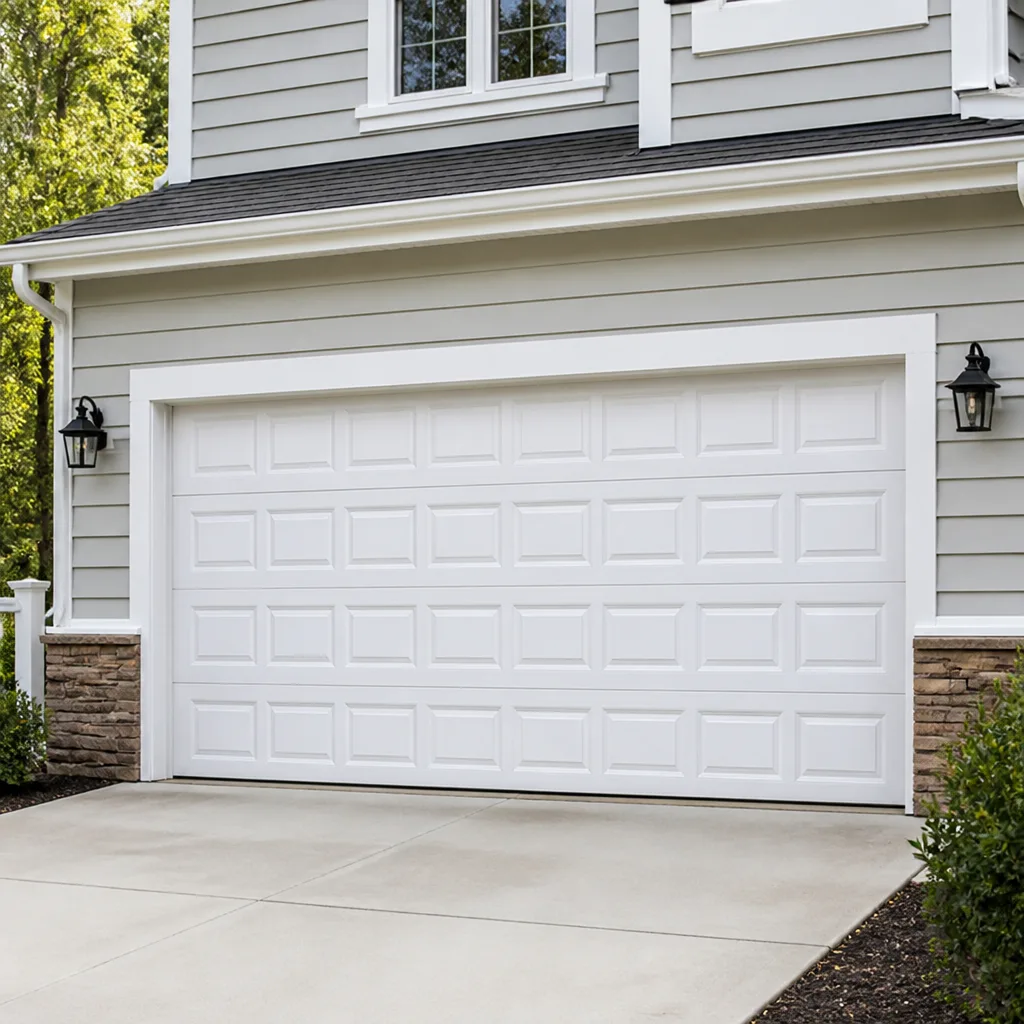 Raised-panel steel
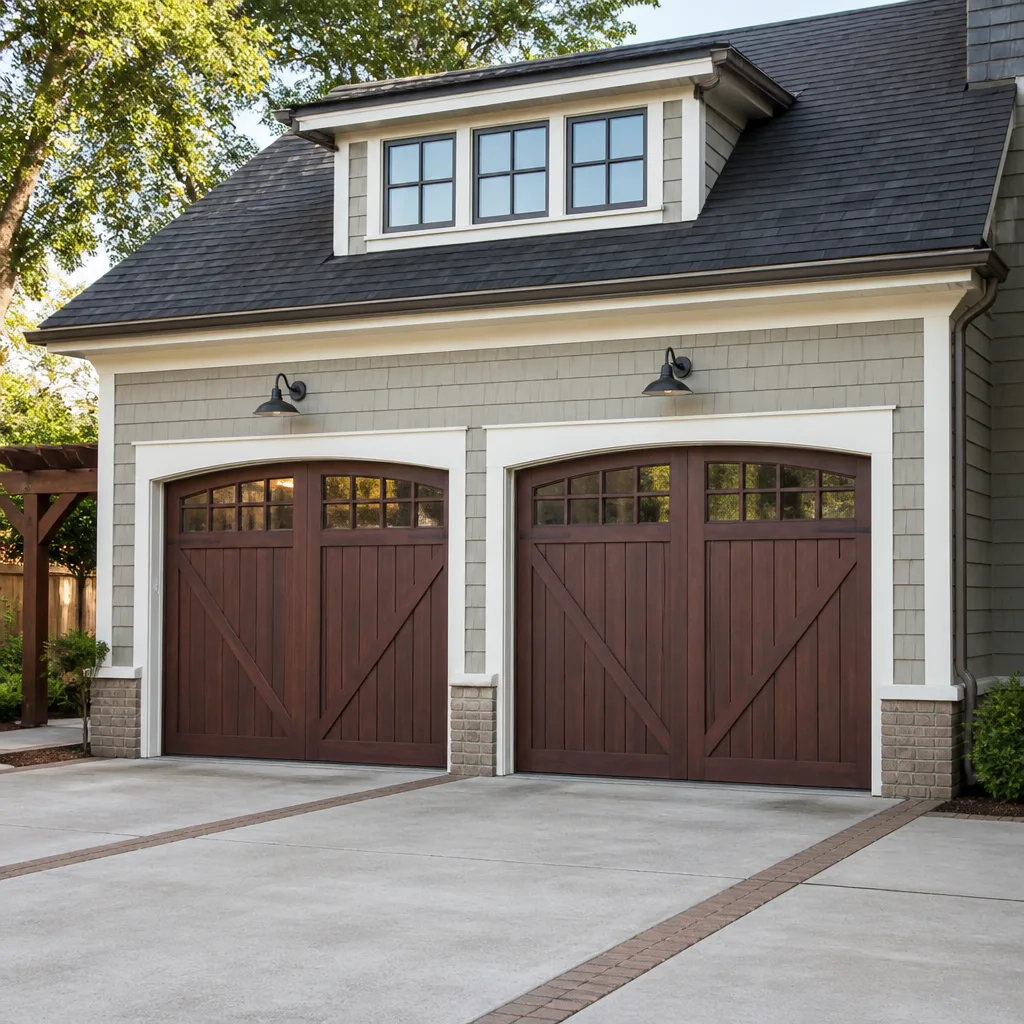 Carriage house
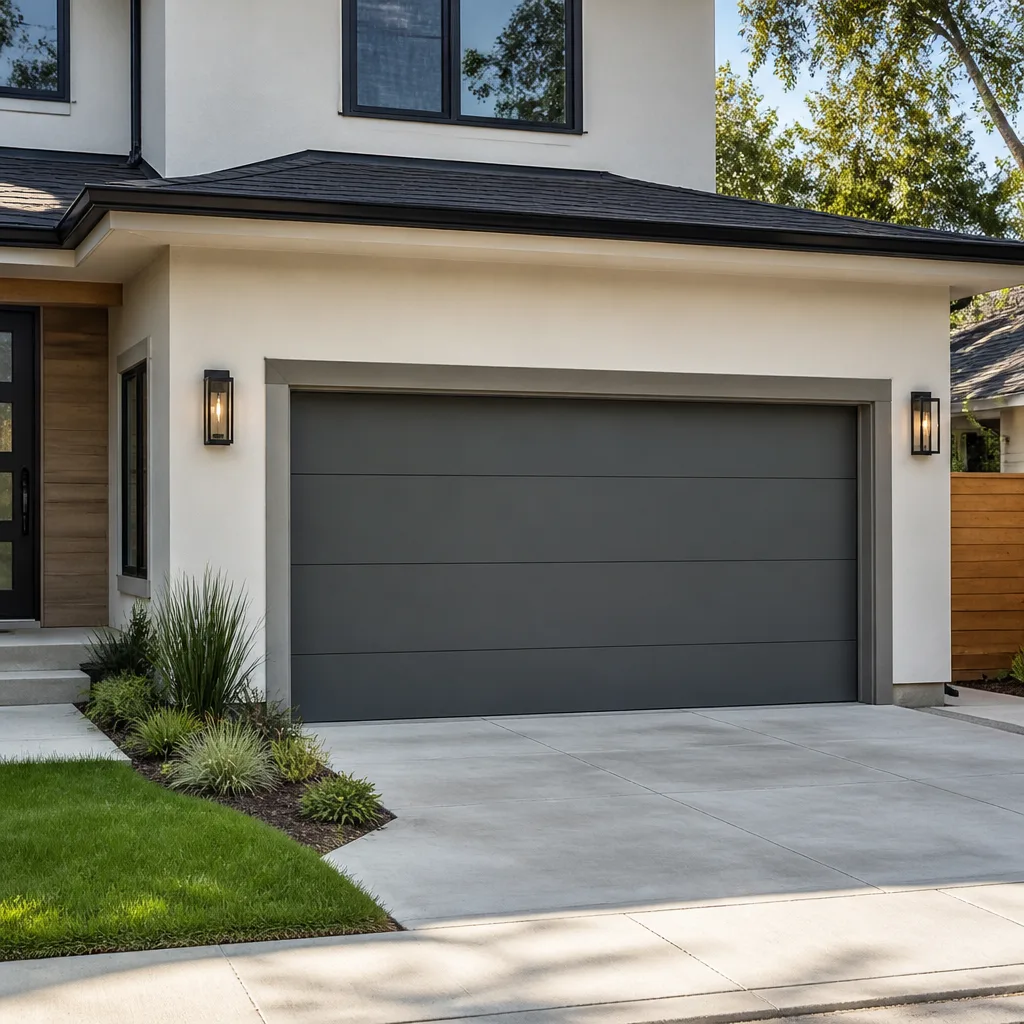 Modern flush
 Full-view glass
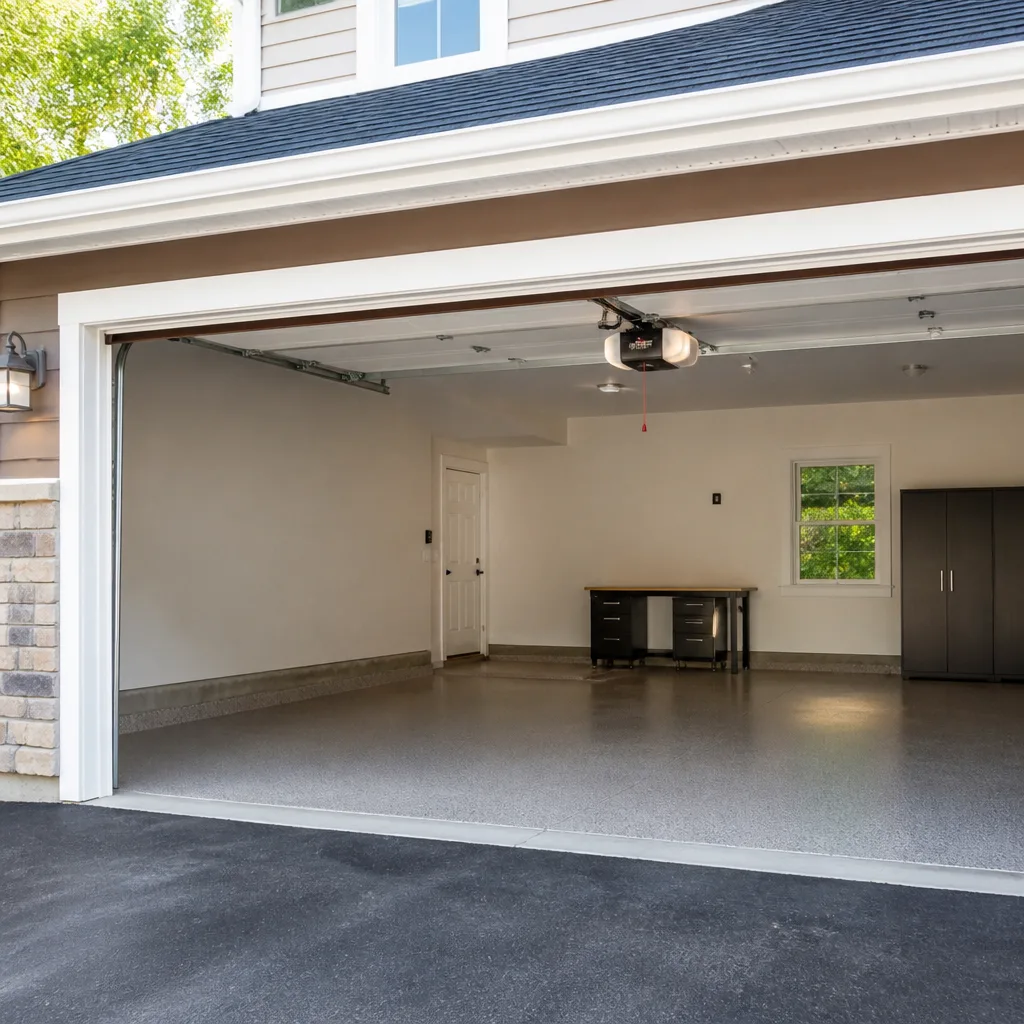 LiftMaster openers
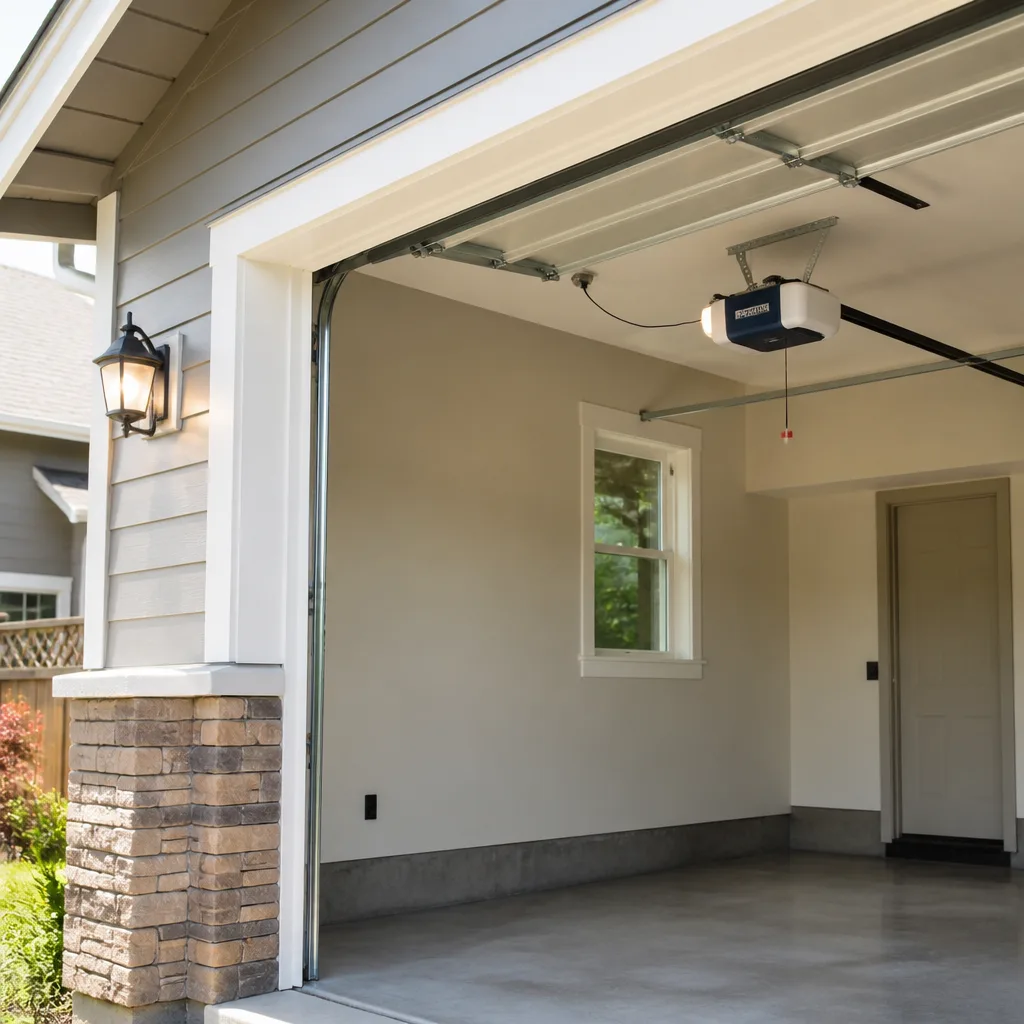 Chamberlain openers
Full 25-point door and opener safety check with every visit - springs, cables, rollers, tracks, and your LiftMaster or Chamberlain opener included
You get a price before we start. It does not change when the pro arrives.
Get your free estimateGarage Door Repair Maintenance Checklist for Miami Gardens Homeowners
Torsion springs in Miami Gardens don’t fail the way they do in Chicago. Up north, the enemy is cold brittleness – metal that snaps after a hard freeze. Here, the enemy is a slow grind: humid air working at cable ends and bottom brackets, heat cycling the door panels and opener motor day after day, and a door that opens and closes year-round in a house where the windows stay shut against the afternoon heat. Most maintenance checklists you’ll find online were written for somebody’s Minnesota winter and tell you to lubricate twice a year and call it done. This guide is built around what actually breaks in South Florida and when, so you can spend your effort on the right parts of the door at the right time of year.
Quick Answer
A garage door maintenance checklist for Miami Gardens should focus on humidity-driven corrosion, heat stress on the opener motor, and hardware that loosens during storm season, not on cold-weather concerns. Check and lubricate rollers, hinges and springs monthly in the rainy season, inspect cable ends and bottom brackets quarterly, and have a technician test spring tension and cable drums at least once a year. If you’d rather skip the guesswork, our technicians have up to 8 years of experience and can walk you through garage door repair for anything on this list that turns up worn.
Styles & brands we work with
- Raised-panel steel
- Carriage house
- Modern flush
- Full-view glass
- LiftMaster openers
- Chamberlain openers
Table of Contents
- Why a Miami Gardens Checklist Is Different
- The Month-by-Month Maintenance Calendar
- Inspection Points That Corrode Fastest in Miami Gardens Humidity
- Testing Your Wind-Load Hardware After Storm Season
- The Right Lubricants for a High-Heat Garage
- What You Can Check Yourself vs. What Needs a Technician
- Opener Maintenance and Warning Signs
- Common Mistakes to Avoid
- When to Call a Professional
Why a Miami Gardens Checklist Is Different
Most garage door advice assumes four distinct seasons and a long, cold, humid-free winter. Miami Gardens doesn’t have that rhythm. A garage here spends the year in a warm, humid range, with the worst of the moisture arriving in the rainy season and the worst of the heat in the late-summer stretch. That changes which parts wear first and how fast. A door that cycles 1,500 times or more a year in a busy household puts far more cycles on its springs, rollers and opener than the same door in a home where the car only leaves a few times a week.
Here’s what that means in practice:
- Corrosion outranks cold brittleness. Cable ends, bottom brackets and roller bearings sit in a garage that never fully dries out. Fine rust at the cable end is the first thing to look for, not last.
- Heat stresses the opener. A motor working in a garage that bakes in the afternoon sun runs hotter than one in a cool climate, and heat is hard on the internal gearing and the logic board over time.
- Storm season adds a stress cycle. Every time you test, secure or brace a door ahead of a storm, you’re moving hardware that then needs checking for loosening.
- The ground moves differently. The soil and slab shift with rain and dry spells, so the door’s track can drift out of alignment in ways a checklist written for a stable climate wouldn’t flag.
None of this means the door needs constant fussing. It means the checklist should point you at the parts South Florida actually wears out, on a schedule that matches the local year. That’s the whole idea behind this guide. Whether you live near the rolling lawns off Northwest 27th Avenue or in a newer build closer to the turnpike, the failure drivers are the same.
The Month-by-Month Maintenance Calendar
Rather than four generic seasons, tie your garage door upkeep to Miami Gardens’ real weather patterns: the rainy season, the peak heat of late summer, and the run-up to hurricane season. Here’s a schedule you can actually follow.
- Late winter into spring (before hurricane season): Do a full visual inspection – cables, springs, hinges, roller brackets, bottom seals, and every bolt on the track hangers. Tighten what’s loose and note anything with rust. This is the window to fix small problems before storm season tests the whole assembly.
- Early rainy season: Lubricate rollers, hinges and the spring coils with a product suited to heat and humidity (more on that below). Check the weather seal along the bottom; a worn seal lets driven rain and wind-blown debris into the garage.
- Mid rainy season: Re-check cable ends and bottom brackets for rust, since weeks of moisture are when corrosion accelerates. Test the opener’s safety reverse function.
- Peak heat (late summer): Listen to the opener. Heat is toughest on motors and gearing. Note any new grinding, straining or lagging. Balance-test the door by hand.
- After a storm or heavy blow: Inspect the door, track and hardware for anything knocked out of alignment. Re-test the wind-load hardware. Confirm the door still closes flush.
- Fall into early winter: This is your yearly pro-check window – spring tension, cable drums, and a full safety review by a technician.
- Any month: Wipe down the bottom of the door and track for salt-free grime, leaves and sand that ride in on the wind. Clear the photo-eye lenses monthly.
The point of the calendar isn’t to make you slave to the door. It’s to match your effort to when the local climate does its damage. In our experience, homeowners who do a little checking at the seasonal turns catch wear before it turns into a snapped cable or a door off its track.
Inspection Points That Corrode Fastest in Miami Gardens Humidity
Humidity is the slow thief of garage door hardware, and it goes after specific parts first. If you learn to check these three areas, you’ll catch most corrosion problems early.
- Cable ends. The point where the cable attaches to the bottom bracket is where moisture gets in and rust starts. A single frayed strand is a warning; a rusty terminal is a reason to have a technician look. Never try to loosen or adjust a cable yourself – those cables are under heavy tension and can injure you badly.
- Bottom brackets. These carry the lowest point of the door and sit closest to floor-level moisture. Look for rust, cracking or loosening at the fasteners. The bracket holds the cable under tension, so any obvious damage means a professional inspection, not a quick bolt-tighten.
- Roller bearings. Cheap steel roller bearings seize when they corrode, which forces the door to drag and puts extra strain on the opener. Nylon rollers hold up better in humid climates, but the bearings still need lubrication.
You can do most of this inspection with a flashlight and a rag. What you can’t do – and shouldn’t – is adjust spring tension or work near the cable drums. More on that in a moment. Our team spends a lot of time on exactly this kind of wear across Miami Gardens, and the pattern is consistent: the parts that fail are the ones nobody looked at until they broke. If a rusted part turns up, a technician can tell you whether it’s cosmetic or a repair item, and our Sunstone Garage Door Repair team works on the brand of hardware you already have.
Testing Your Wind-Load Hardware After Storm Season
Miami-Dade County is a high-wind region, and garage doors here are built and installed with wind-load considerations in mind. Whatever your door’s rating, the hardware holding it in place can loosen over time – especially after storm season, when doors get tested, braced or simply rattled by high wind. A door that was properly installed can lose some of that margin if the brackets, hinges or fasteners work loose.
Here’s a simple post-storm check you can do without climbing on anything:
- With the door closed, look along the tracks. A door that sits straight against its frame is a good sign; one that shows an uneven gap has likely shifted.
- Check the fasteners at the track hangers and hinges by hand. Loose bolts should be snugged down, but don’t overtighten and strip them.
- Open and close the door slowly by hand (with the opener released) if it feels sluggish or off-balance. Grinding or catching means the track or hardware needs attention.
- Look for a loose or leaning door panel. Any panel that doesn’t stay flush is worth a professional look.
- If your door has any wind-resistance labeling from the original installation, keep that paperwork in the house. Don’t remove, modify or replace labeled hardware without confirming how it’s supposed to perform.
The safest way to confirm your wind-load hardware is sound is to have it looked over by someone who knows what they’re checking. We’ve seen how a few loose fasteners add up in a season. If you’re unsure after a storm, call a technician and get it reviewed. When you’re not sure what to do next, this is one of the jobs that belongs in our garage door repair column rather than in a DIY day.
The Right Lubricants for a High-Heat Garage
White lithium grease is the default answer in most checklists, and it’s a poor fit for a Miami Gardens garage. In high heat, standard lithium grease thins, migrates and dries out faster, which means it collects dust and stops protecting. What you want is a lubricant that holds up in a warm, humid environment and won’t turn into a gummy mess.
- Silicone or synthetic spray on hinges, rollers and pivot points – it handles heat better than lithium and doesn’t attract grit the same way.
- Dedicated garage door spring lubricant for the torsion spring, applied lightly along the coil. Never spray near the cables or the drum.
- Rag and a fresh coat, not a flood. A little applied at each seasonal turn beats one heavy coating that just gathers grime.
A few things not to do: don’t grease the tracks. They should stay dry and clean, because the door rides on rollers and lubrication on the track does nothing useful but collect dirt. Don’t use motor oil where a proper silicone spray belongs. And don’t try to solve a rusty, binding part with more grease – if a bearing is seized or a spring looks worn, lubrication won’t fix it.
The rule of thumb is simple: light, frequent lubrication with a heat-tolerant product on the moving metal, on a schedule tied to the warm months. That’s the maintenance that matters here.
What You Can Check Yourself vs. What Needs a Technician
There’s a clean line between the tasks you can do safely and the ones that should go to a professional no matter how handy you are. The garage door is one of the few home systems where a miscalculated DIY fix can cause serious injury.
Safe for homeowners
- Cleaning photo-eye lenses and confirming the door reverses when the beam is broken.
- Wiping down and lubricating hinges, rollers and the spring (lightly).
- Tightening a loose hinge or track-hanger bolt by hand.
- Checking the bottom weather seal for cracking or gaps.
- Visual inspection for rust, fraying, or a leaning panel.
- Keeping the tracks clear of debris.
Needs a trained professional
- Spring tension adjustment or replacement. The springs hold the full weight of the door under extreme tension. A wrong move can injure you badly. This is not a DIY task, ever.
- Cable and cable-drum work. Cables are also under heavy tension and can snap dangerously. Only a trained technician should handle them.
- Balance and track realignment when the door is visibly off-track. There’s a safe way to correct a track and an unsafe way, and the safe way needs experience.
- Any suspicion of structural damage after a storm – a bowed panel, a cracked bracket or a door that won’t close flush.
Most of this was true every season in this climate, but heat and humidity push more wear into the “professional” column because corrosion works faster here. If you’re unsure whether a part is something you can handle, that’s the signal to call. We diagnose by symptom, not by guesswork, and we’re happy to tell you when a task is safe for you and when it isn’t.
Opener Maintenance and Warning Signs
Your opener is doing more work here than it would in a cooler climate, especially if it’s a LiftMaster, Chamberlain or Genie unit that runs a few times each day. Heat is the silent strain. The motor runs warmer, the gearing endures more cycles, and the logic board takes a beating over the years. If you start hearing new noises or the door lags on the way up, don’t ignore it.
What to check and what to watch for:
- Loud grinding or straining: worn gears or a failing motor – worth a professional look.
- The door opening unevenly or stalling: could be an opener issue or a door balance issue. A technician can tell the difference.
- Remote or keypad not working: often a battery or signal issue, but a failing logic board can look the same.
- The safety reverse test failing: test it monthly by placing an object in the door’s path – if the door doesn’t reverse, stop using the opener until it’s repaired.
Opener repair is a specialty we take seriously. General handymen often swap parts by trial and error or decline opener work entirely. We treat the opener as its own system, which means fewer surprises and a faster fix. If your opener is acting up, our garage door opener repair page explains how we approach it. A Clopay door with a mismatched opener, or a Chamberlain unit that’s been in place a while, all get diagnosed the same way: find the real cause before recommending a fix.
One more rhythm to keep: listen to the opener during the hottest months and during heavy storm-season use. If the sound changes, note it. A quiet motor is a happy motor.
Common Mistakes to Avoid
- Following a cold-climate checklist. Advice written for freeze-thaw worry focuses on the wrong parts. In Miami Gardens, humidity and heat wear matter far more than anything a northern guide will tell you.
- Greasing the tracks. This is the classic mistake. The door rides on rollers, so lubing the track just collects dust and grime. Keep tracks dry and clean.
- Ignoring rust at cable ends and bottom brackets. These are the parts that corrode fastest here, and they’re the parts most dangerous to DIY. A little rust is early warning – catching it early is the whole point.
- Attempting spring or cable work yourself. This is the one mistake that can end in serious injury. Leave the springs and drums to a professional.
- Skipping the post-storm wind-load check. Storm season tests the hardware, and loosened fasteners or a shifted panel don’t fix themselves. A quick look after each storm protects the door.
- Using the wrong lubricant. Standard white lithium grease breaks down fast in a hot garage. Use a heat-tolerant product and apply it lightly and often.
- Outsourcing the opener to a generalist. Opener repair is a specialty. If your opener is acting up, work with someone who understands the unit rather than swapping parts by guesswork.
When to Call a Professional
Some jobs are yours: cleaning, tightening hand-tight fasteners, lubricating, checking the safety reverse. Some jobs should always go to a trained technician. Call us if the door is off its track, if a spring looks worn or snaps, if a cable is frayed or rusty, if the door is noticeably harder to lift than it used to be, if the opener grinds or strains, if the safety reverse fails, or if a storm left the door or its hardware anything other than flush and secure. Those aren’t places to experiment – a door that’s binding or a worn spring can fail suddenly, and the temperature and humidity here work against you over time. We diagnose the problem first, then recommend the fix. Whether it’s a roller that needs replacing or a full spring and opener review, our team is fluent in the brands you already own. Call (855) 360-7295 for a free estimate. We answer 24/7, with fast dispatch from 7am to 7pm. The written estimate is set per job and agreed before any work starts, so there’s no surprise at the end.
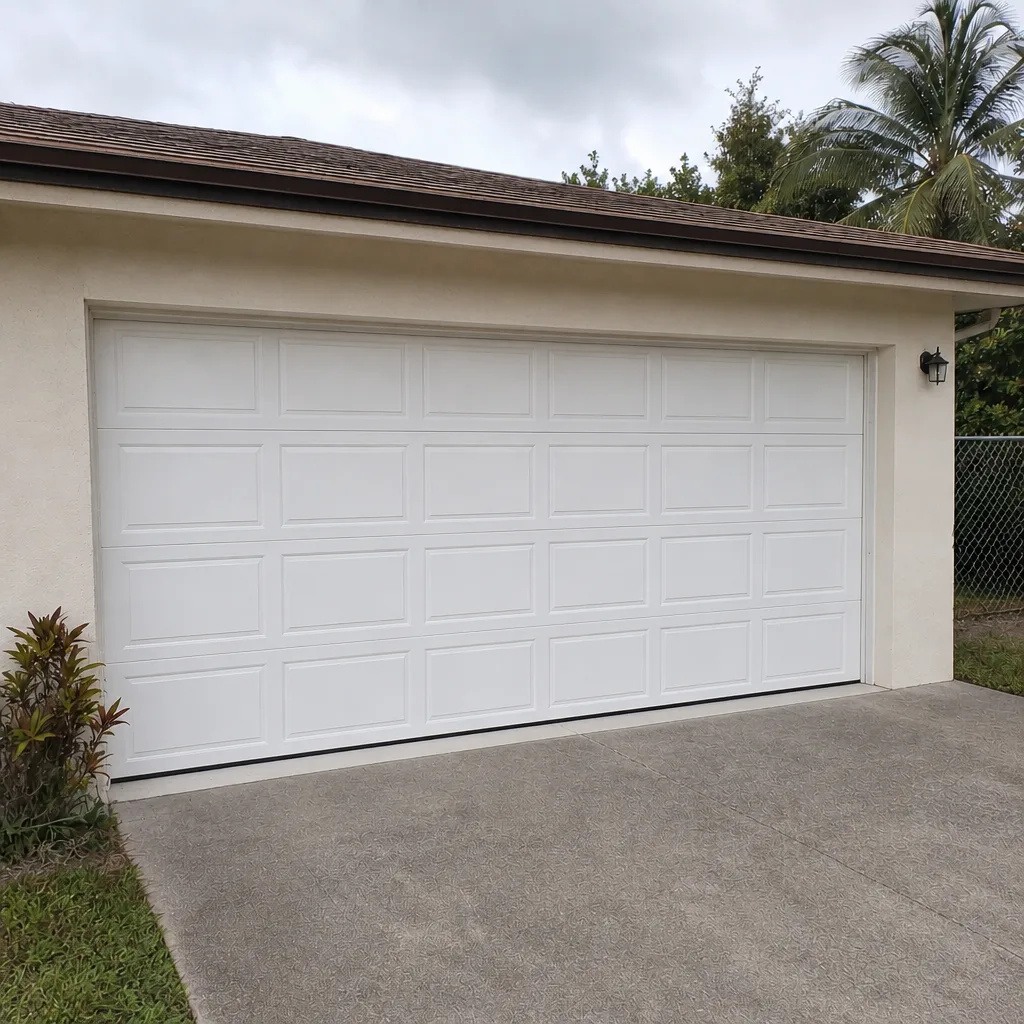
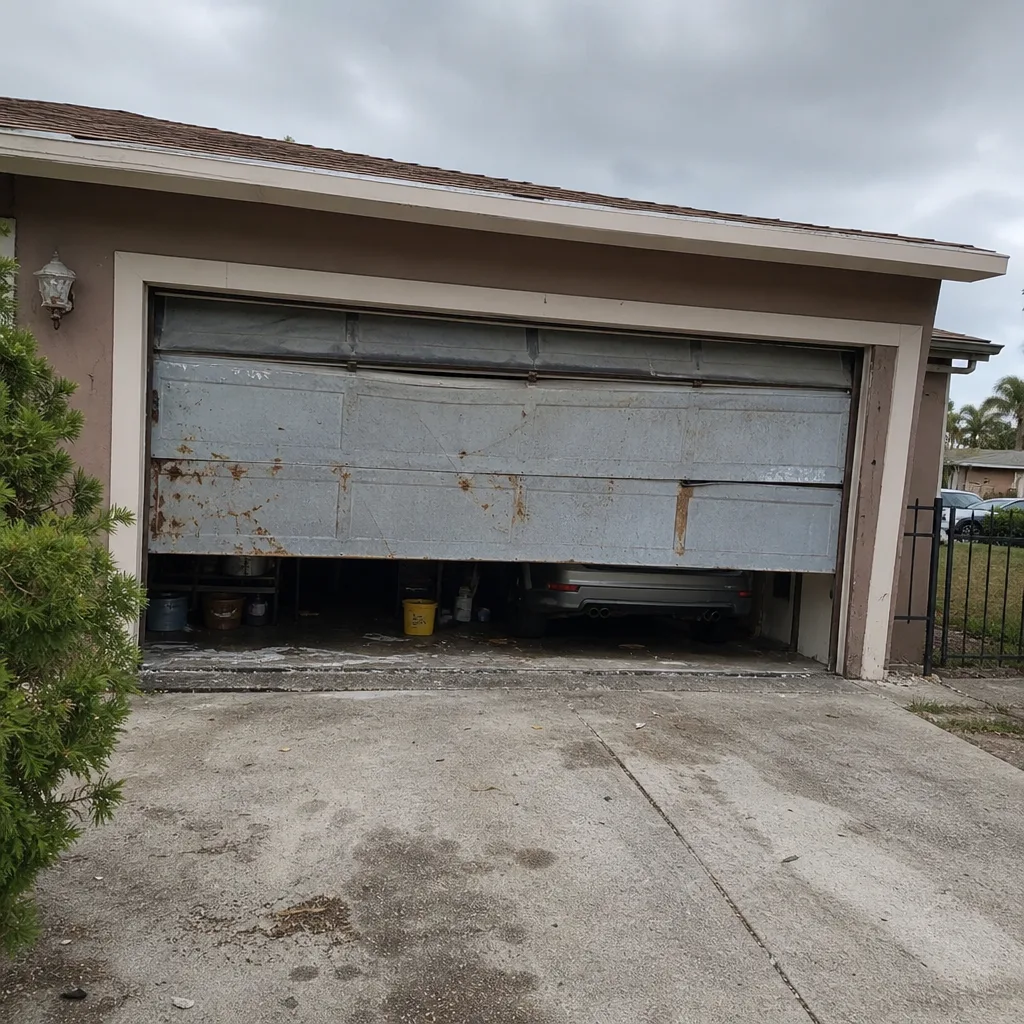
See the difference
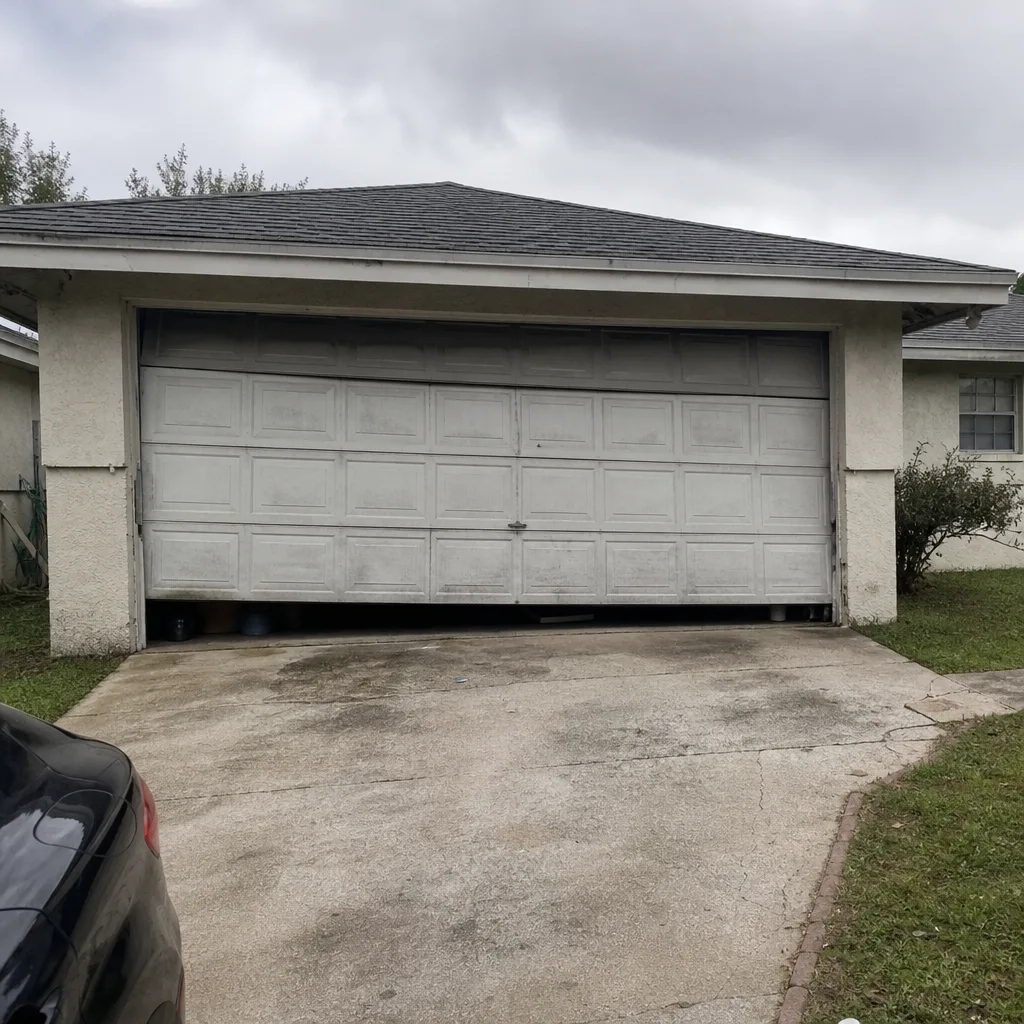 Before
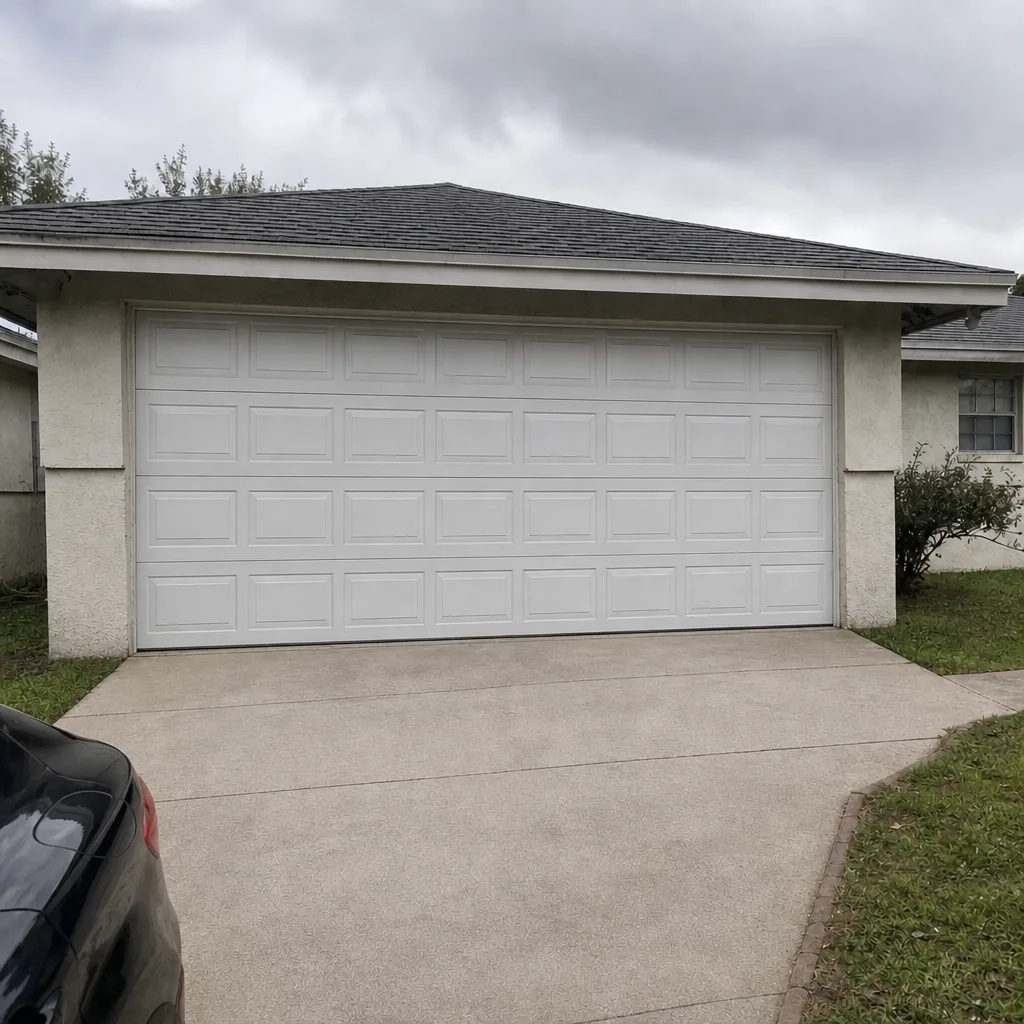 After
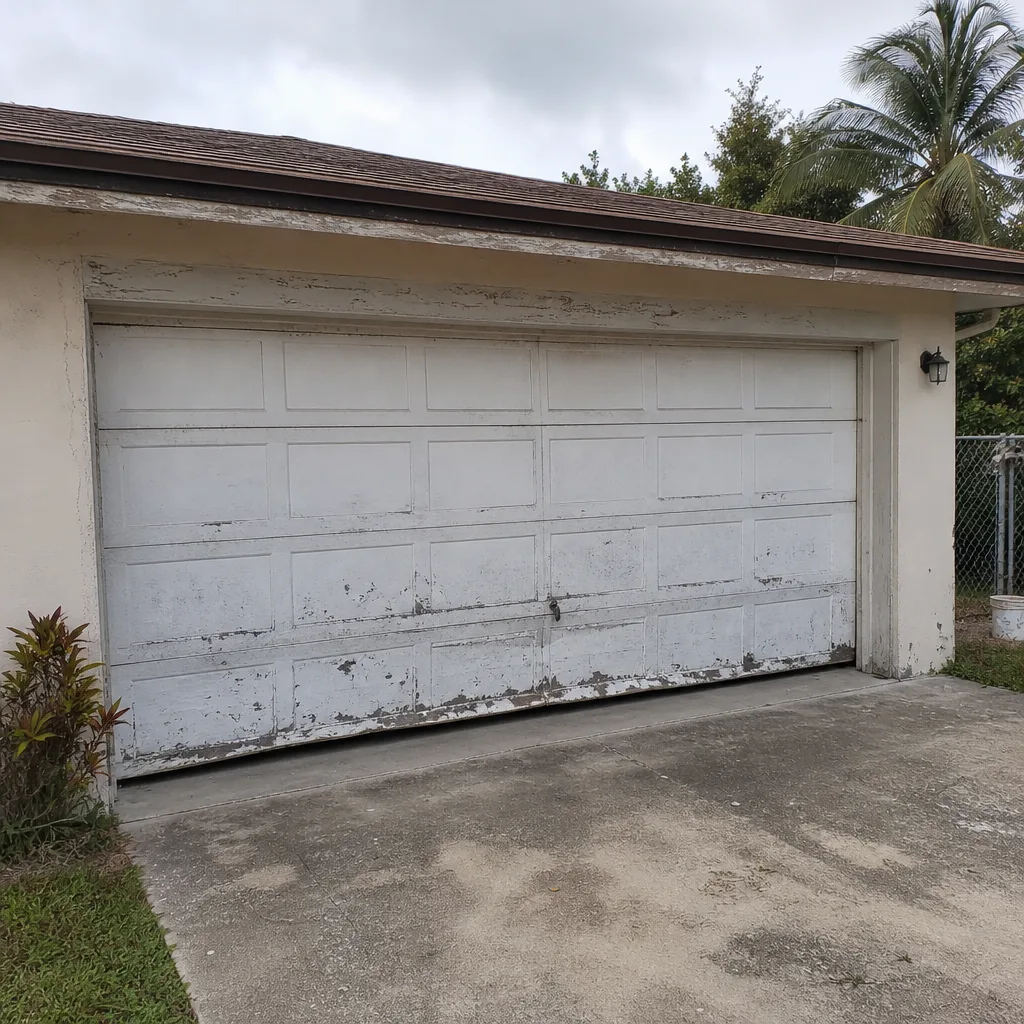 Before
 After
 Before
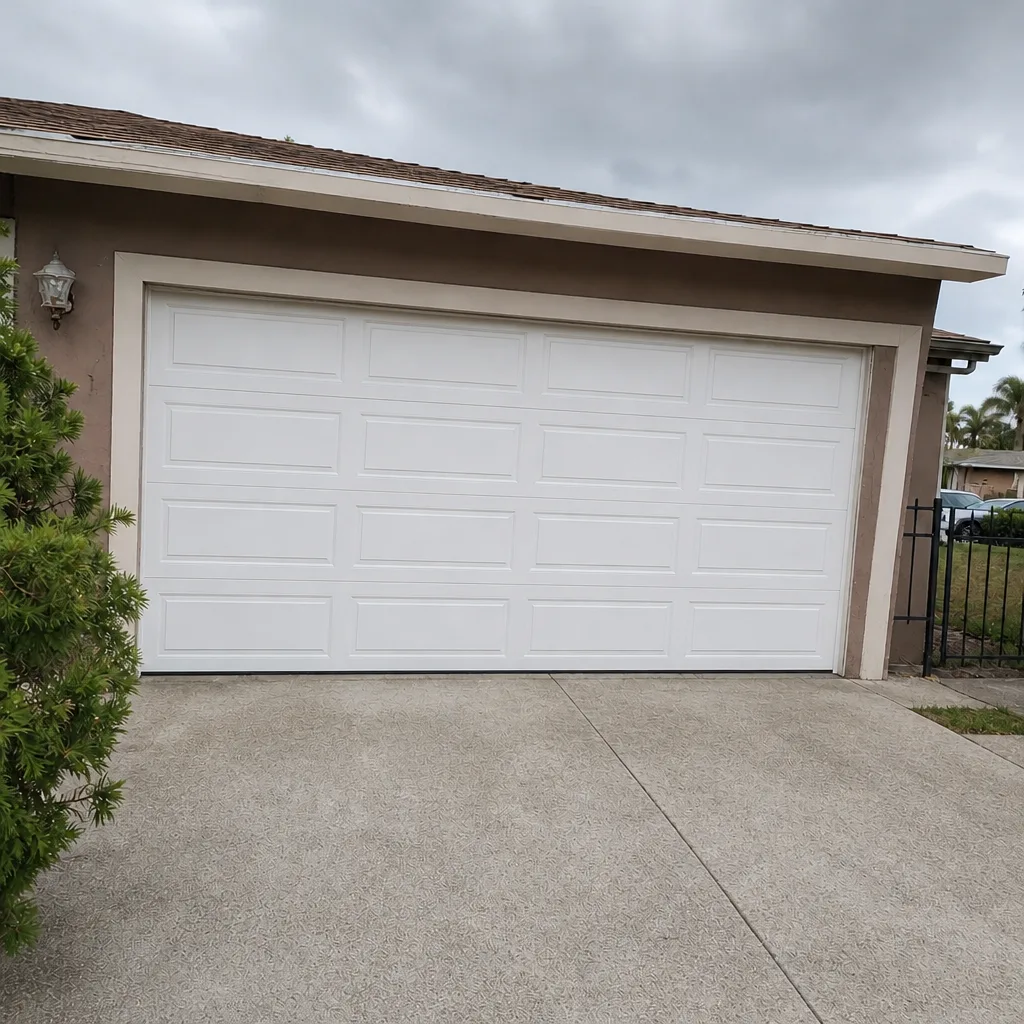 After
Frequently Asked Questions
Most Miami Gardens homes do well with a monthly check of the rollers, hinges and safety reverse, a seasonal lubrication schedule, and one full professional inspection per year. The humidity and heat mean wear happens faster here, so checking monthly in the rainy season catches problems early. If you’d rather leave it to someone who knows the door, call (855) 360-7295 for a free estimate.
Yes. Checklists written for cold climates focus on freeze-thaw and winter brittleness, which don’t apply in Miami Gardens. What matters here is humidity-driven corrosion at cable ends and bottom brackets, heat stress on the opener, and post-storm wind-load checks. Follow a monthly and seasonal schedule built around the rainy season and storm season, not one built around winter. Call (855) 360-7295 if you’d like a professional review of your door’s current condition.
Cable ends, bottom brackets, and roller bearings corrode fastest. These metal parts sit in a garage that stays humid, and rust starts at the point where the cable attaches to the bracket. Check them quarterly, and have a technician look at any that shows fraying or heavy rust. Call (855) 360-7295 to book an inspection – estimates are free.
No. Springs hold the full weight of the door under extreme tension, and an incorrect adjustment can cause serious injury. Leave spring tension and cable-drum work to a trained technician. If you notice a worn or broken spring, or a strange gap at the spring, stop using the door and call (855) 360-7295 for help.
Use a silicone or synthetic spray on hinges, rollers and pivot points, and a dedicated garage door spring lubricant on the coils. Standard white lithium grease degrades faster in high heat, so it’s a poor fit for a Miami Gardens garage. Never grease the tracks. For help with a door that’s already binding, call (855) 360-7295 for a free estimate.
Look for a door that sits unevenly against the frame, loose fasteners at the track hangers, or a leaning panel. If anything looks off, don’t force the door open or closed; call a technician to inspect the wind-load hardware. Call (855) 360-7295 and we’ll take a look. Estimates are free.
Frequently Asked Questions
Often, yes. An annual professional inspection spots rusted cables, worn spring or loose bearings before they fail. In a Miami Gardens climate, humidity and heat do constant work on the door’s hardware, so an early look is the difference between a small fix and a big one. For a free estimate on a full review, call (855) 360-7295.
Yes. We handle LiftMaster, Chamberlain, Genie and Clopay equipment, along with several other major brands, so you don’t have to track down a brand-specific dealer for a repair. We service the door and opener you already own and guide you on what fits best from a repair standpoint. Call (855) 360-7295 with your brand and model on hand.
First, confirm the opener has power and that the photo-eye sensors are clean and aligned. If the door still doesn’t move, release the opener by hand if you can do so safely and look for an obvious obstruction. Don’t force a door that’s binding or off its track. Call (855) 360-7295 for troubleshooting – estimates are free.
The heat is hard on the door’s moving parts and especially on the opener motor, which runs hotter in an unshaded garage. That’s why the seasonal schedule here puts more emphasis on listening to the opener and checking lubrication in the peak summer months. If you want a professional opinion on the door’s condition before the next hot stretch, call (855) 360-7295.
The Bottom Line
A garage door in Miami Gardens doesn’t need more maintenance than one anywhere else in the country – it needs the right maintenance. Skip the cold-climate rituals, focus on humidity-driven corrosion at cable ends and bottom brackets, keep the opener running cool in the heat, and check the wind-load hardware after every storm. Do the safe checks yourself on a monthly and seasonal schedule, and let a trained technician handle springs, cables and any sign of structural damage. That’s the whole checklist: match your effort to the local climate, and the door will last. When you’d rather leave it to us, Sunstone Garage Door Repair works the Miami Gardens area and can be reached at (855) 360-7295.
Written by the team at Sunstone Garage Door Repair.