
Last updated November 16, 2026
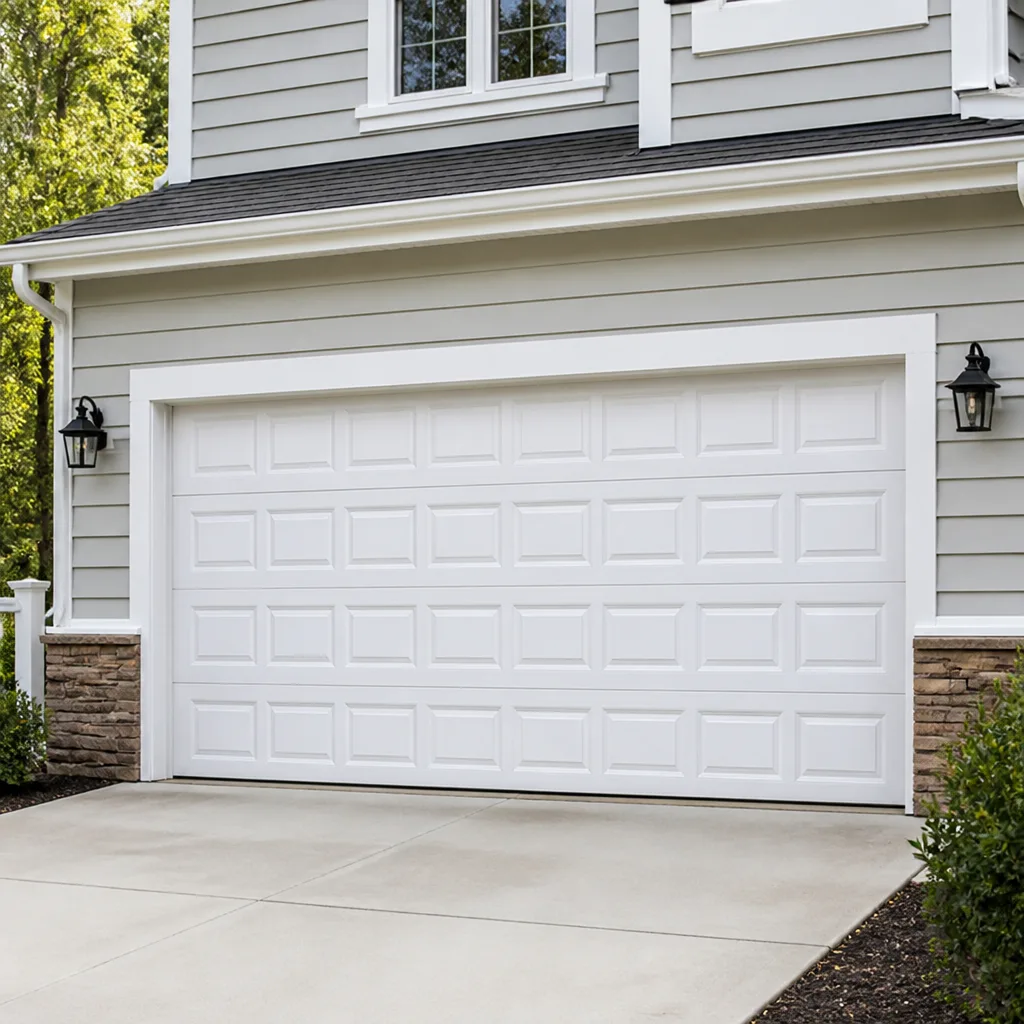 Raised-panel steel
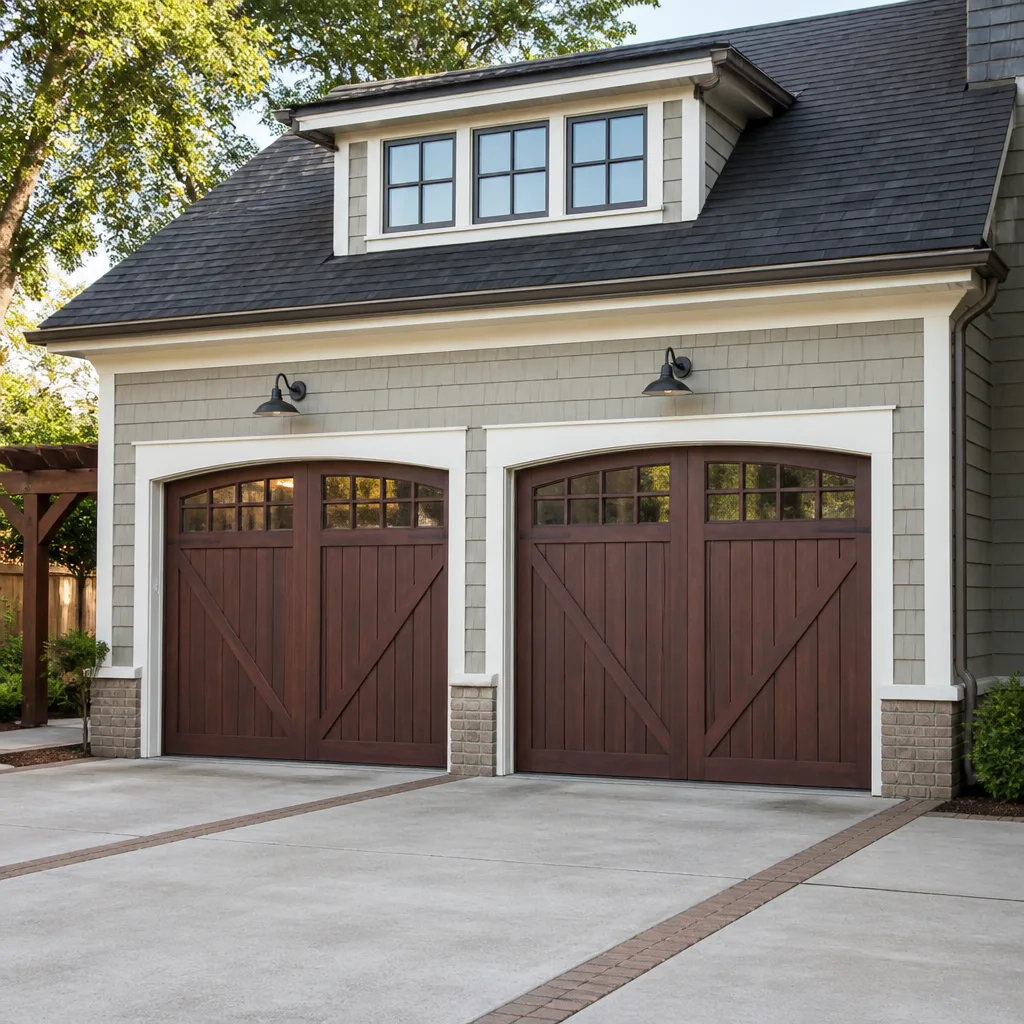 Carriage house
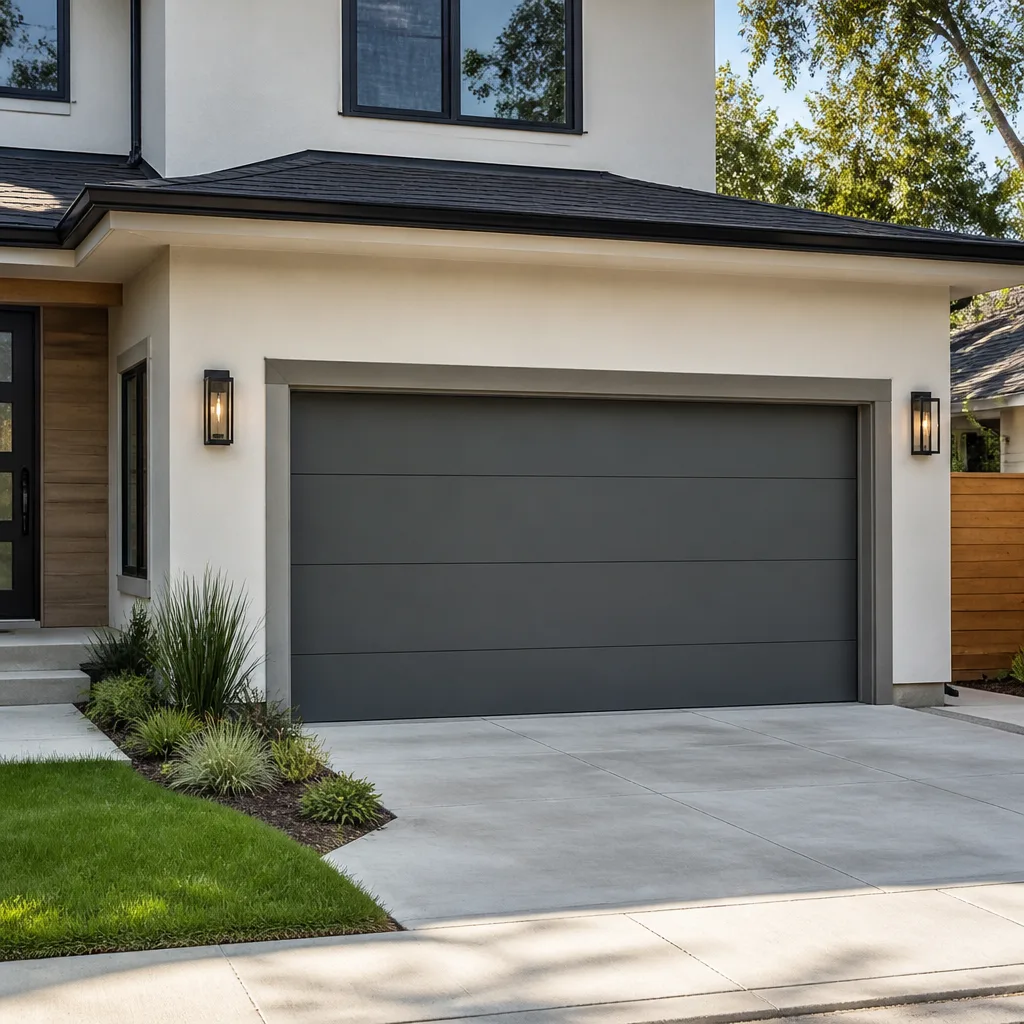 Modern flush
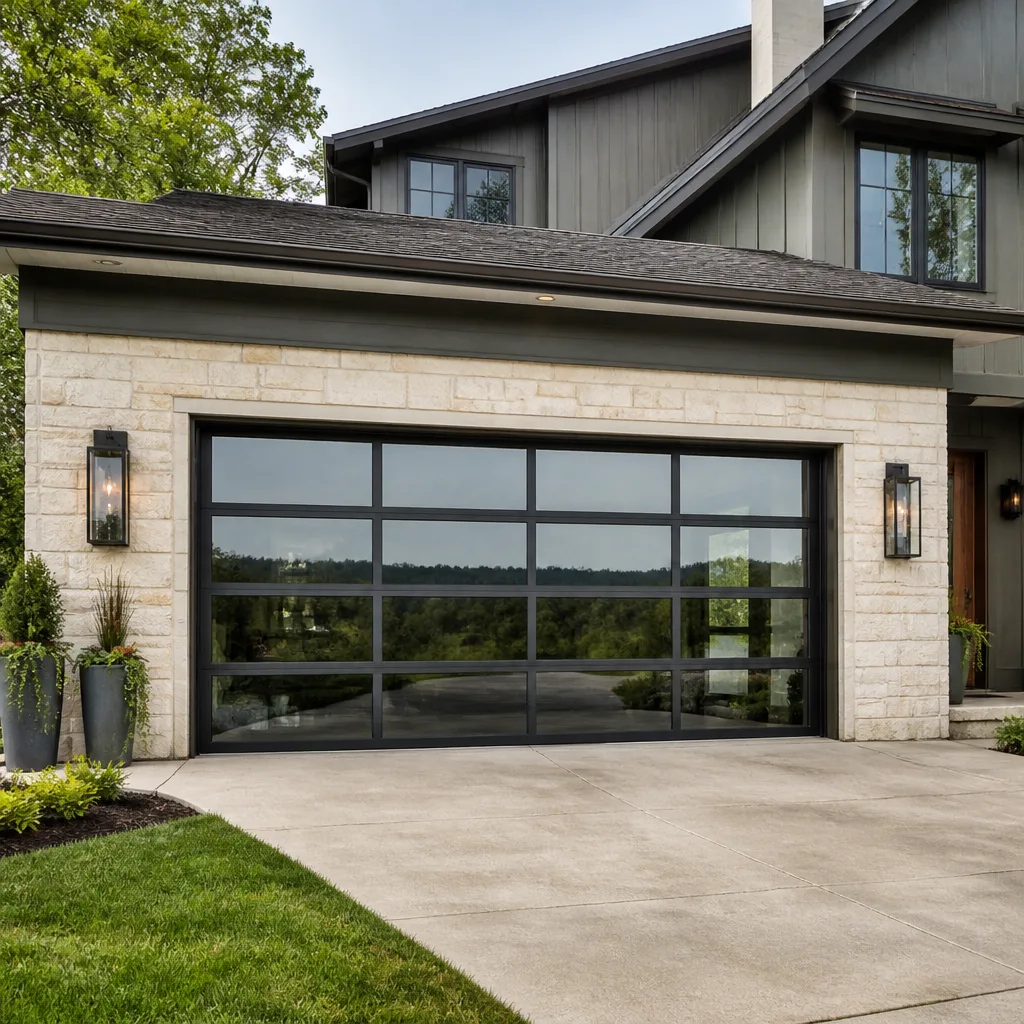 Full-view glass
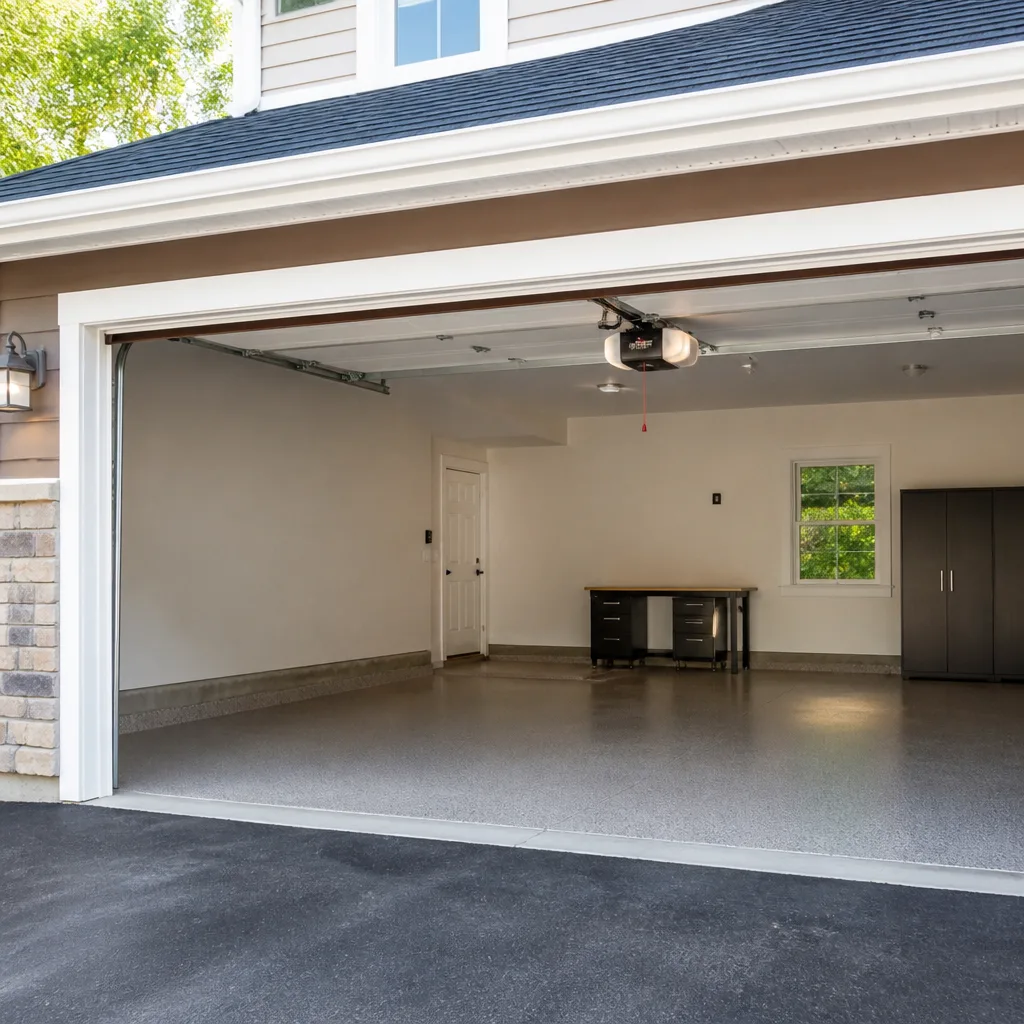 LiftMaster openers
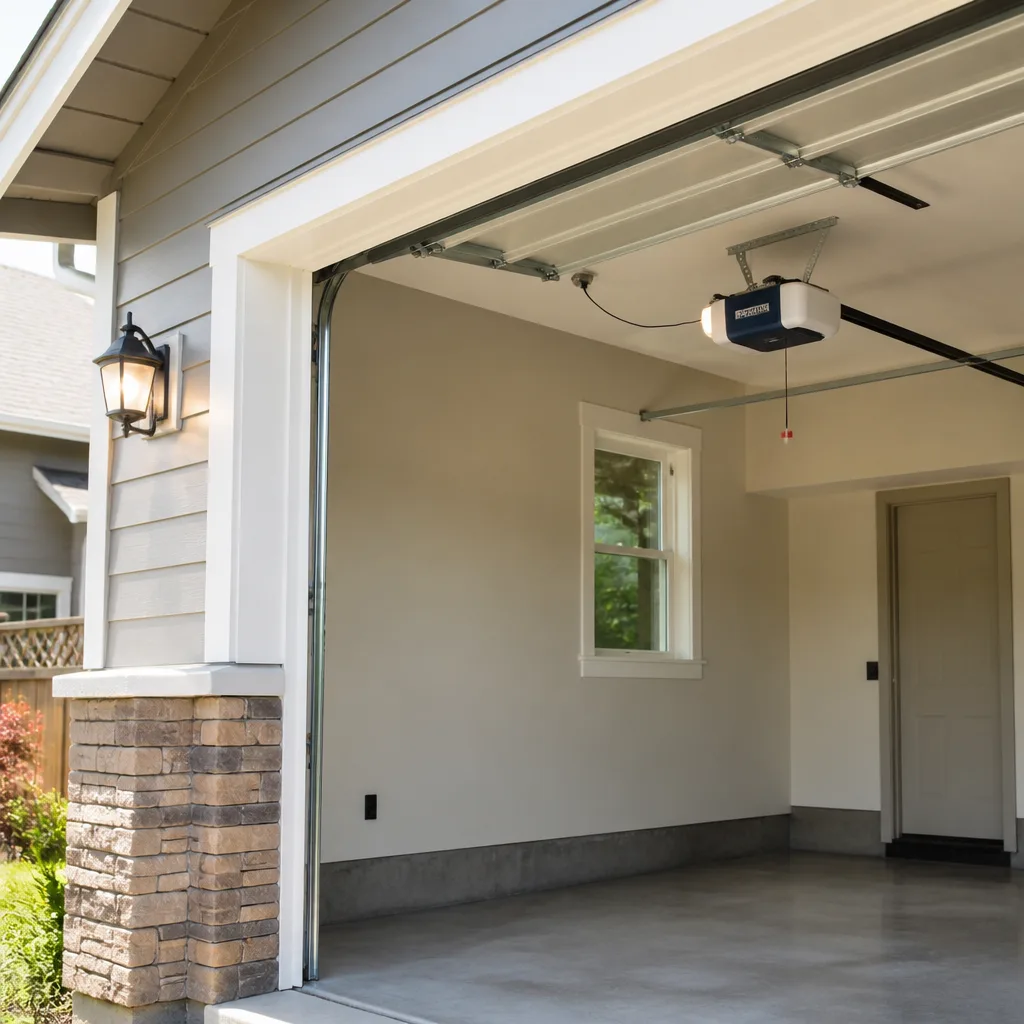 Chamberlain openers
Full 25-point door and opener safety check with every visit - springs, cables, rollers, tracks, and your LiftMaster or Chamberlain opener included
You get a price before we start. It does not change when the pro arrives.
Get your free estimateSeasonal Garage Door Care for Miami Gardens: Year-Round Homeowner’s Guide
Most garage door care advice assumes four seasons: a cold winter, a muddy spring, a hot summer, a leaf-drop fall. Miami Gardens doesn’t work that way. What we have instead is a sequence of distinct climatic phases – a dry, mild winter, a spring transition, an intense humid rainy season, and a hurricane season whose deadline sits right at the front of the rainy months. Each phase stresses your door’s hardware, seals, and opener electronics in a different way.
The window between mid-May and June 1 is the most consequential stretch in a Miami Gardens garage door’s year. It’s the last practical chance to catch hardware fatigue, lubrication breakdown, and worn weather seals before the storms make those problems dangerous rather than just annoying. In this guide we’ll map every care task to the phase that actually suits it, so you’re working with the local climate instead of a calendar borrowed from Ohio.
Quick Answer
Garage door care in Miami Gardens should follow the local climate, not a generic quarterly schedule: do your structural and safety inspections in April and May before hurricane season, protect opener electronics and backup batteries through the lightning-heavy summer, watch for water intrusion and rust during the June-through-September rains, and save paint, roller replacement, and spring lubrication for the low-humidity dry season from November through March.
Springs, cables, and high-voltage opener components should always be handled by a trained technician. The seasonal tasks in this guide are the ones a homeowner can safely check and manage.
Styles & brands we work with
- Raised-panel steel
- Carriage house
- Modern flush
- Full-view glass
- LiftMaster openers
- Chamberlain openers
Table of Contents
- Why Miami Gardens Climate Demands a Different Care Calendar
- The Pre-Hurricane Window: April Through May
- Managing Opener Electronics Through the Lightning Season
- Rainy Season Care: Water, Wood, and Rust
- Dry Season: The Best Time for Lubrication and Cosmetic Work
- After a Named Storm: How to Assess and Document Your Door
- The Five-Minute Monthly Check
- Common Mistakes to Avoid
- When to Call a Professional
- Frequently Asked Questions
Why Miami Gardens Climate Demands a Different Care Calendar
A garage door in Miami Gardens lives through conditions that differ from the inland Midwest or the desert Southwest in ways that matter to metal, wood, rubber, and electronics. Heat and humidity dominate the rainy months, which means water vapor hangs in the air even when it isn’t raining, and condensation forms on steel hardware overnight. That’s the mechanism behind most of the rust and swelling problems we diagnose.
There’s a second factor: insect and debris load. Screen vents, bottom seals, and the gap between the door panel and the frame collect organic matter during the rainy season. That debris holds moisture against metal and rubber, accelerating exactly the deterioration you’re trying to prevent. Cleaning those areas is a seasonal task, not a one-time install job.
The hurricane cycle, meanwhile, has its own deadline. Between the start of the season in late spring and the heart of summer, you want your door’s structural hardware confirmed before a storm tests it. That’s why we place the heaviest inspection load in April and May rather than spreading it evenly.
- Heat and humidity peak: June through September, the period that stresses seals and promotes rust.
- Lightning season: the same months, when opener control boards and surge protection get tested.
- Dry, mild window: November through March, when lubrication stays where you put it and paint cures properly.
- Transition months: April, May, and October, when structural and pre-season checks do the most good.
Our Sunstone Garage Door Repair technicians have up to 8 years of experience with the equipment that shows this wear, and the pattern above is what we plan around. Homeowners in Miami Gardens who work the phases this way tend to get more years out of a door before hardware replacement comes up.
The Pre-Hurricane Window: April Through May
April and May are your structural months. The work here is about confirming that what holds the door up and moves it up will keep doing both under lateral load and heavy rain. There are three task groups: hardware torque checks, spring cycle count estimates, and bottom seal replacement. None of them require you to touch a spring or a cable – those are technician-only on any door with a torsion or extension spring system.
The hardware torque check is something you can do with a socket set on the bolts that hold the track brackets, hinges, and roller carriers. Loose fasteners are common after a season of vibration, and a bolt that’s backing out in May becomes a track that’s out of alignment in July. Check torque, note any bolt that refuses to stay tight, and stop there – if a bracket is bending or a track is separating from the frame, that’s a structural problem for a professional.
Spring cycle count is the hardest to estimate yourself. Springs are rated in cycles, and every opening and closing uses one. By the time May arrives, you’ve put a winter’s worth of daily cycles on them. A technician can measure wire diameter and coil count and tell you roughly how much life is left. This is a safety-critical item, so leave spring assessment to a trained technician who can measure the tension safely.
Bottom seal replacement is the third piece. The bottom seal is the rubber strip along the bottom edge of the door. It keeps water from blowing in under the door during storm rain, and it also cushions the door’s close. If it’s cracked, flattened, or missing a section, replace it before the rains arrive. A worn seal is one of the cheapest items to fix and one of the most damaging to skip.
- Walk the perimeter and check that no bolt or hinge is loose or missing.
- Look at the bottom seal across its full width for cracks, tears, or section loss.
- Note any track that has separated from the wall or bent out of line – do not straighten it yourself.
- Book a professional spring and cable assessment before June 1.
- Confirm the auto-reverse and photo-eye safety features work before the busy season.
If you spot a track that has pulled away from the frame or a bracket that’s bending, we can take a look as part of routine garage door repair and give you a written estimate on what it takes to correct it.
Managing Opener Electronics Through the Lightning Season
Your opener is a computer with a motor attached, and Miami Gardens’ thunderstorm frequency puts that electronics through more electrical events than most of the country sees. Surges enter the circuit through the wall outlet and through the low-voltage wiring to the wall button and safety sensors. How you handle those paths determines whether the opener survives a summer without a control board failure.
Start with the backup battery. If your opener has a battery backup – many units from LiftMaster, Chamberlain, Genie, and Craftsman do – test it before the rainy season and again in the middle of it. A backup battery that’s been sitting quietly for a year may hold a charge far below its rated capacity. The test takes a minute: unplug the opener from the wall outlet and see whether the door still moves at normal speed.
Surge protection is the next layer. A plug-in surge protector between the opener and the outlet is the most basic defense, but on an opener circuit it’s worth having a technician look at whether the safety-sensor wiring and wall-button run are contributing to nuisance faults. Flickering opener lights, intermittent remote response, and doors that close partway and reverse are all symptoms of a control-board problem, not a door problem. That’s why we treat garage door opener repair as its own specialty rather than something bolted onto panel work.
- Test battery backup in early June and again in August.
- Check the photo-eye alignment after every heavy rain – sensors shift when the track settles.
- Keep the opener housing clear so the motor’s own heat can vent.
- Log any strange behavior – a symptom pattern helps us diagnose by symptom instead of swapping parts.
The brands you already own matter less than how they fail. Because our technicians work across LiftMaster, Chamberlain, Genie, Clopay, Amarr, Wayne Dalton, Craftsman, and Raynor, diagnosis usually starts from the symptom rather than the assumption that a given model has a known weakness.
Rainy Season Care: Water, Wood, and Rust
From June through September, most garage door problems in Miami Gardens are water problems – or water-adjacent problems wearing a different mask. Three areas deserve your attention: wood or composite trim swelling, rust on steel components, and water intrusion under the door itself. Each has a distinct early-warning sign you can spot without tools.
Wood and composite trim swells in sustained humidity, especially where paint has failed. Look for paint blistering, the trim pulling away from the door frame, and dark streaks around joints. Once moisture gets behind the paint, the swelling will continue until the wood dries. Spotting the swelling early and repainting in the dry season is more effective than sanding and patching in the middle of the rains, when the repair will re-soak.
Track rust accelerates in the rainy months, particularly where the tracks meet the floor and where the rollers ride. Check the vertical tracks on the sides and the horizontal tracks above the door. Light surface rust can be cleaned and coated; deep pitting on a load-bearing hinge means the hardware should be replaced.
Water intrusion under the door usually traces back to the bottom seal or to drainage around the door frame, not the door itself. If water stands in the garage after heavy rain, check whether the bottom seal is flat and full contact across the entire width. If it is, the water may be pooling against the door from outside – check that the ground slopes away from the frame and that no drain or gutter is discharging toward the garage.
- Wipe metal tracks dry after heavy rain if water has reached them.
- Check bottom seal contact by slipping a sheet of paper under the door – if it slides out easily, the seal is too worn.
- Look for paint failure and any dark staining around trim joints.
- Inspect for rust spots at floor level and where the rollers ride.
Pitting rust and hardware that has started to bend belong in the “call a professional” pile. Water damage you can hold off with maintenance belongs in the “plan it for the dry season” pile.
Dry Season: The Best Time for Lubrication and Cosmetic Work
November through March is when the humidity backs off and the door work that depends on dry conditions actually pays off. Three tasks fit best here: paint touch-up, roller replacement, and spring lubrication. None of them require opening the door panel or working near a spring under tension.
Paint touch-up cures properly in the low-humidity months. Sand lightly, apply primer to any bare metal, and top-coat with an exterior paint rated for metal. Cover the trim joints and the frame edges, where water gets in. A spring paint job done in July can fail within a season; one done here holds much longer.
Roller replacement is a good dry-season task because it’s easier when the door is operating smoothly and you’re not fighting stuck hardware. Nylon rollers are quieter and longer-lasting than steel in high-humidity conditions. Replace the rollers on both sides at once so the load stays balanced, and note that the roller carriers themselves should not be bent or straightened – if the track or bracket is deformed, a professional should address it.
Spring lubrication should be handled during servicing by a technician. A technician will use the correct lubricant for the spring coils and avoid the wrong lubricant on the torsion hardware, which can attract grit and accelerate wear. Do not attempt to add lubricant near a spring or the bearing plate if you’re not familiar with the door’s spring system. Lubrication elsewhere on the door, including the rollers, hinge pivots, and opener drive chain, is the maintenance a homeowner can safely perform; careful application keeps grit out of the moving parts.
- Clean and repaint any trim, panel, or seam where the paint has failed.
- Replace rollers on both sides of the door.
- Book a spring lubrication and inspection visit before the rainy season.
- Test the auto-reverse system after any paint or hardware work.
This is also the best window to plan any panel replacement or a new door install, because ordering and scheduling happen before the rainy rush. We handle full installation as well as repair, so if the dry season finds you deciding between repairing and replacing, our inspection can give you the honest answer.
After a Named Storm: How to Assess and Document Your Door
After a named storm passes, resist the urge to run the door open and closed to “see if it still works.” A door that’s been loaded by wind or water can look normal while the springs, cables, or brackets are compromised. Instead, do a visual assessment and document the door’s condition before you operate anything.
Walk the perimeter and photograph every part of the door and track: the panels, the brackets, the tracks, the springs, the bottom seal, and the opener housing. Then look for specific signs: panels bent out of plane, tracks that have shifted off the wall or out of line, springs that look slack or stretched, and any water that got into the garage. If anything looks wrong, note it and wait for a technician.
Documentation matters for insurance. Take clear photos from multiple angles, with the date and the door visible in at least one shot. Save any contact from a technician who assesses the door. If you’re working with an insurer, we can work with them on documentation, but we don’t handle the claim for you, and we can’t guarantee what your policy covers – that’s a conversation with your insurer.
For the opener: unplug it from the wall before anything else if you suspect water damage. Water in the opener housing can short the control board, and a board failure after a storm is common. If the opener was working before the storm and isn’t after, that’s usually an electronics issue for our garage door opener repair technicians rather than a door problem – but the door itself still needs a full inspection first.
The Five-Minute Monthly Check
You don’t need a full inspection every month – you need a five-minute walk-around that catches the trends before they become repairs. Do this once a month through the year, and do it a little more carefully in June and in November, when the seasons shift. This one routine handles the things that a seasonal calendar would otherwise miss.
- Open and close the door once and listen – unusual grinding, squeaking, or a door that moves unevenly are early signals.
- Check that the door’s bottom seal touches the ground across its full width.
- Look at the tracks on both sides for rust, debris, or track separation.
- Press the wall button while standing at the side – if the door doesn’t reverse on a physical obstruction, the auto-reverse system needs service.
- Wave your hand in front of the photo-eye sensors – if the door doesn’t reverse, realign or call us.
- Listen for the opener when it runs – any new rattle from the housing is worth noting.
A five-minute check that catches a loose bracket, a failing seal, or a slow auto-reverse is worth the effort. It’s also far cheaper than finding those problems during a storm.
Common Mistakes to Avoid
- Following a northern four-season calendar. If your care plan assumes a freeze-thaw cycle, it’s addressing climates Miami Gardens doesn’t have while ignoring the humidity and storm pressure that actually wear the door.
- Lubricating a spring with WD-40 or a general household oil. These attract grit, and grit accelerates wear. Use the correct lubricant on the springs and the chain or belt drive – and leave the spring coils to a technician who knows the tension is safe to handle.
- Replacing one roller. Rollers wear at similar rates, so replacing one and leaving the rest causes uneven load and a noisy operation. Do the set.
- Waiting until after hurricane season to inspect hardware. The point of the April-May window is to find loose brackets and worn springs before the season loads the door. Late inspection is better than none, but the early one is what actually protects you.
- Assuming a door that opens means a door that’s safe. A door with compromised springs or failing cables can still operate, and that’s exactly when a sudden failure is most dangerous.
- Dismissing water intrusion as a cosmetic issue. Water under the door stays in the garage, feeds mold growth, and damages anything stored near the door. It’s a maintenance item, not a footnote.
- Operating the opener after a storm before checking for water in the housing. Unplug the opener first if you suspect water got in – a shorted board turns one repair into two.
When to Call a Professional
Some garage door work is safe for a homeowner: cleaning tracks, checking seals, testing auto-reverse, documenting damage, and replacing rollers are all reasonable. Some work is not. Springs, cables, and the bearing plate under tension are the dangerous parts of the system, and a sudden spring or cable failure can cause serious injury. Electrical work at the panel or inside the opener should also go to a trained technician. If any of the following shows up, call us rather than handling it yourself: a door that won’t move smoothly, a loud bang followed by a door that won’t open, a bent track, an opener that trips the breaker, a photo-eye that won’t align, or a door that closed wrong and now hangs off one side.
Sunstone Garage Door Repair offers free estimates in Miami Gardens – call (855) 360-7295 to arrange a visit. Our technicians have up to 8 years of experience, and because we handle door repair, opener repair, and full installation under one company, we don’t have to hand part of the job to someone else. We work on the brand you already own – Amarr, Wayne Dalton, Craftsman, Raynor, and the rest of the major lines – so diagnosis starts with what’s actually wrong, not with a guess about your model. The estimate is written, the price is set before any work starts, and you decide from there.
Frequently Asked Questions
April and May are the best months for a full inspection in Miami Gardens, because the dry season is ending and you’ll catch hardware fatigue before hurricane season loads the door. Spring lubrication, roller replacement, and paint touch-up all fit best from November through March, when humidity is lowest and paint cures properly. If you only do one seasonal task, do the pre-hurricane inspection.
Lubricate the moving parts once a year in the dry season, and plan a spring lubrication visit from a technician during the same window. Florida humidity keeps lubricant in place longer than you’d expect, but the grit and debris that collect during the rainy season undo that advantage by the fall. That’s why a single well-timed dry-season lubrication is usually more effective than repeated applications throughout the year.
Most openers do survive it, and the ones that don’t typically fail at the control board from a surge. A plug-in surge protector, a healthy backup battery, and prompt attention to any flickering or intermittent behavior are the practical defenses. If the opener acts strange after a storm, don’t run it – a control-board failure can cascade into motor and sensor issues. Call (855) 360-7295 if you suspect a surge hit your unit.
Check it visually before you run it. Look for bent panels, tracks that have shifted or separated, springs that look slack or stretched, and water that got into the garage. Photograph everything, including the date and the door in the same frame, because those photos are what your insurer will want. If the opener may have taken on water, unplug it before testing. If the door doesn’t run right after the storm, don’t force it – call us for a written estimate in Miami Gardens.
No. Garage door springs, cables, and the bearing plate are under high tension, and a sudden release can cause serious injury. A trained technician has the right tools and knows how to relieve the tension safely. If a spring looks slack or the door suddenly feels heavy, don’t operate the door and don’t try to adjust anything. Call (855) 360-7295 and we’ll arrange a technician visit.
Some installation and structural work requires a permit, and repair work may not. Because permit requirements change and depend on the scope of the job, ask the City of Miami Gardens building department about your specific project before work starts. Our written estimate explains what the job involves so you can confirm the requirement with the city. This is a local code question, so get an answer for your address rather than assuming.
The Bottom Line
Garage door care in Miami Gardens works best when it follows the actual climate instead of a generic four-season schedule. The work splits into four phases: structural inspection and seal checks in April and May, opener and battery attention through the lightning-heavy summer, water and rust watch through the rainy months, and paint, roller, and lubrication work in the dry season from November through March. Springs and cables belong to a technician. Everything else on this list is a homeowner’s job, and it’s far cheaper than the alternative.
We answer 24/7. Fast dispatch from 7am to 7pm, Sunday through Friday. Call (855) 360-7295 for a free estimate – the price is quoted and agreed in writing before any work starts, and we work on the brand you already own.
Learn more about our work across Miami Gardens.
Written by the team at Sunstone Garage Door Repair.
See the difference
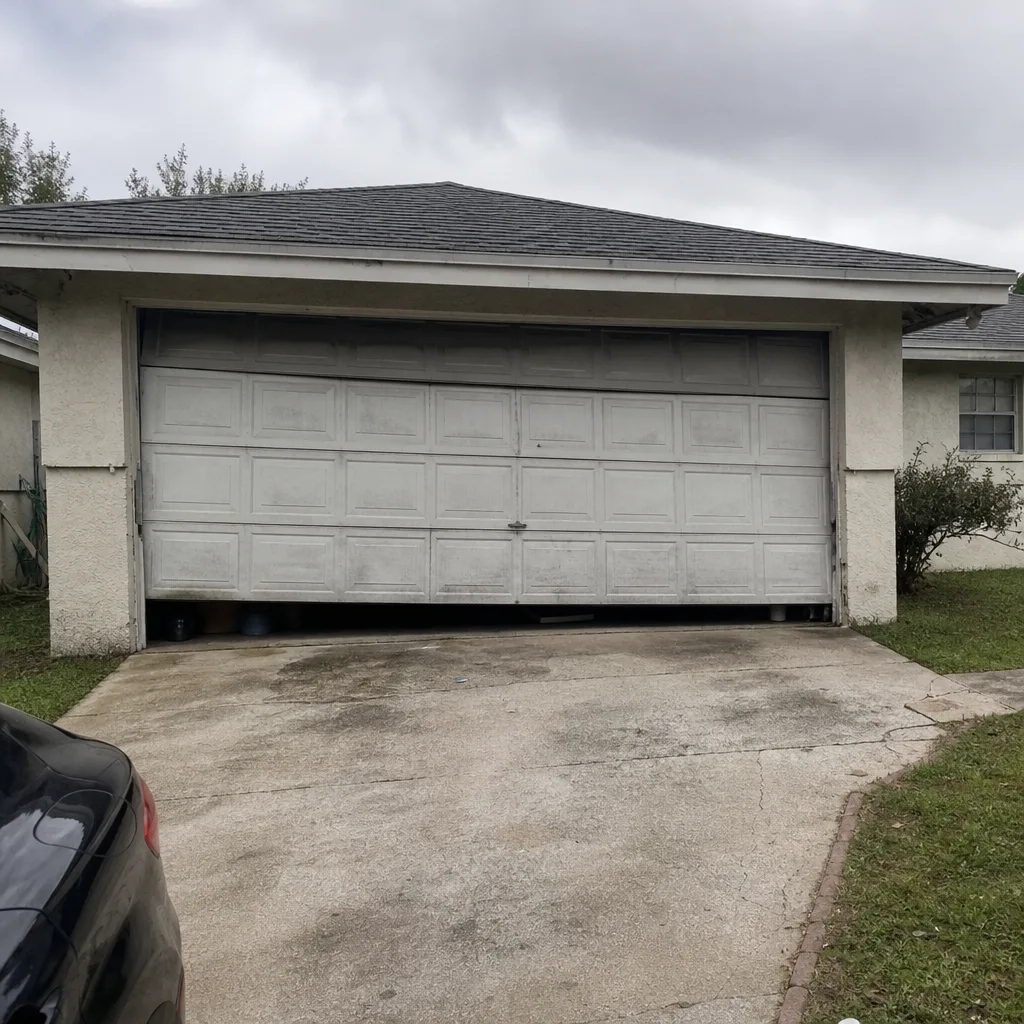 Before
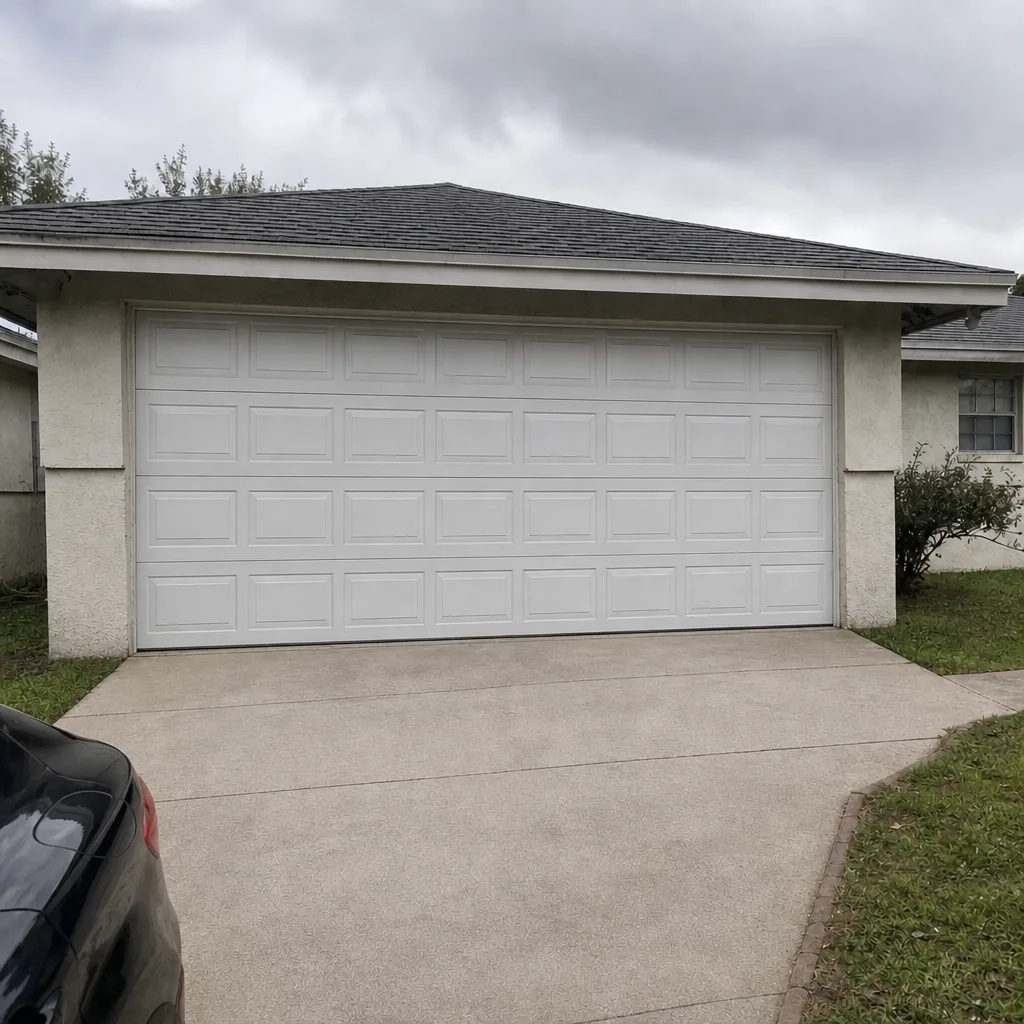 After
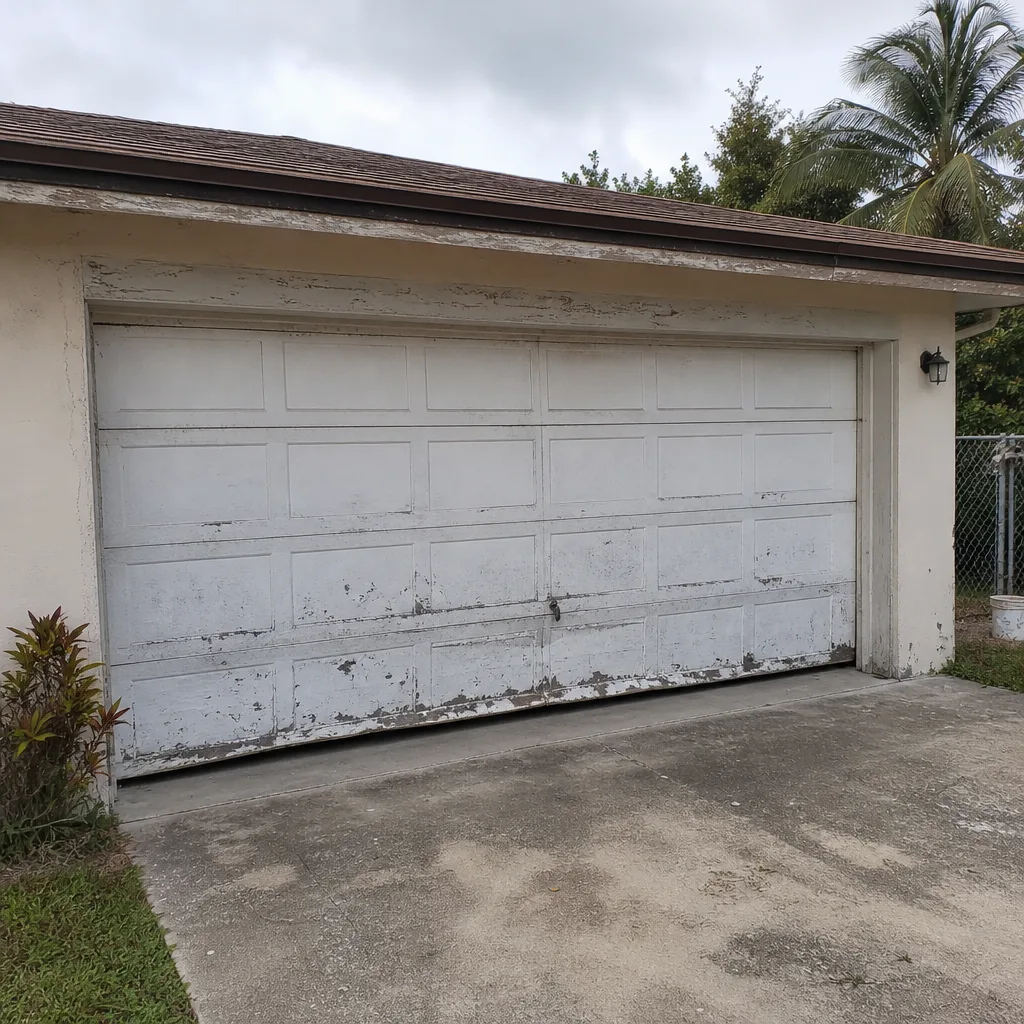 Before
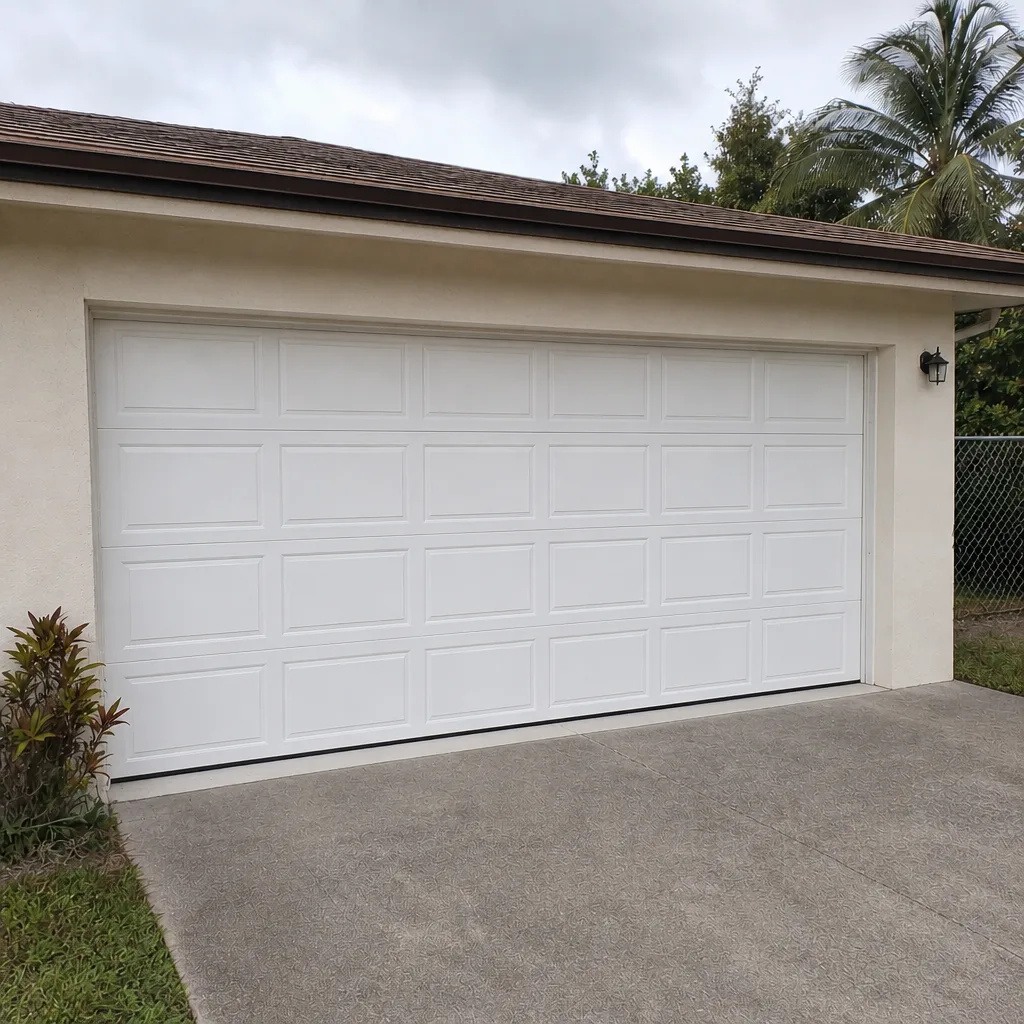 After
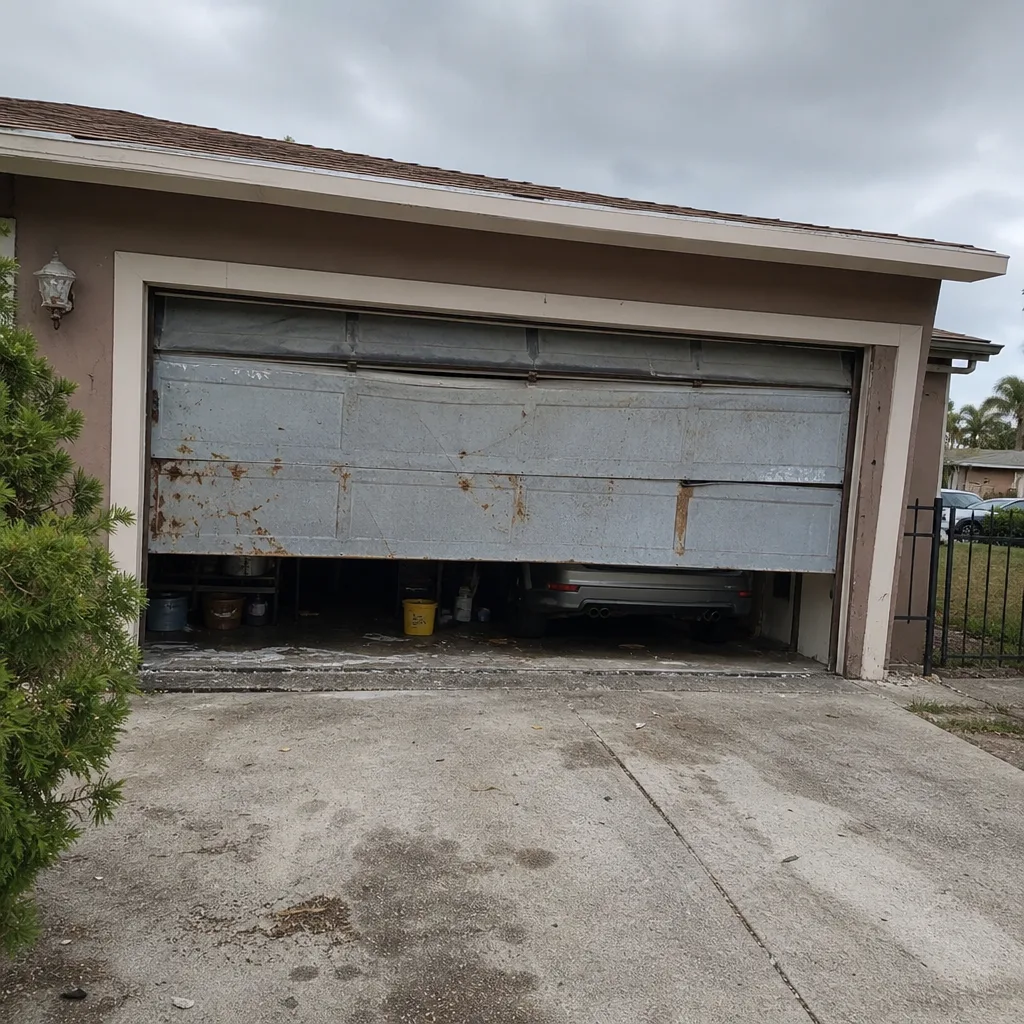 Before
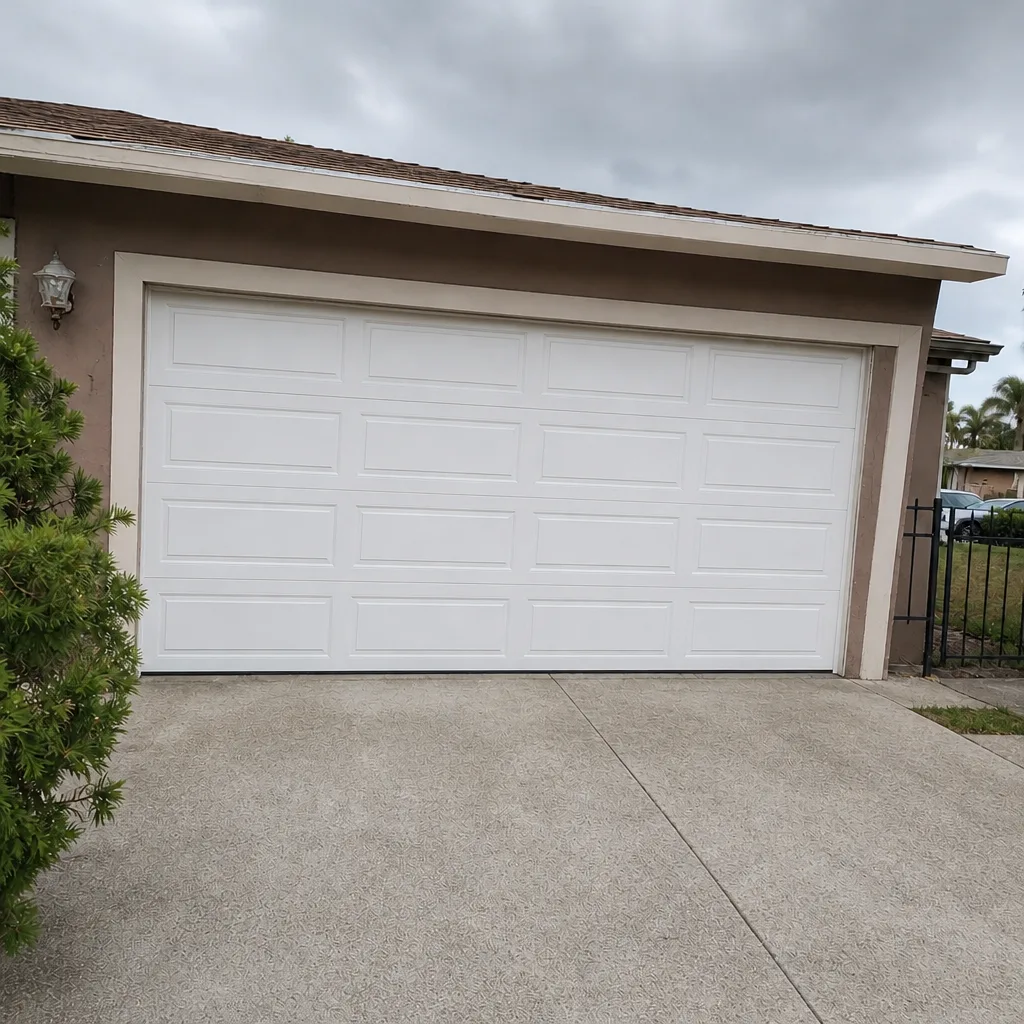 After