
Last updated November 16, 2026
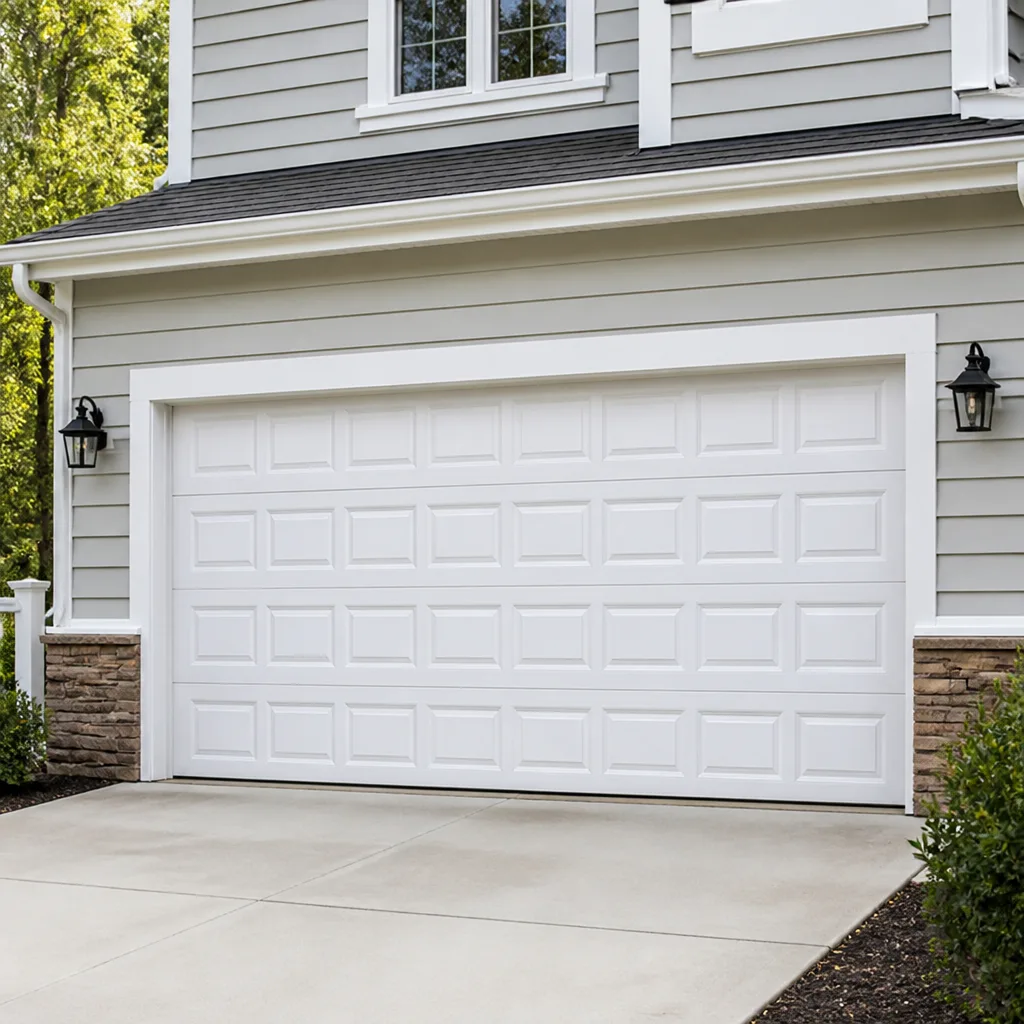 Raised-panel steel
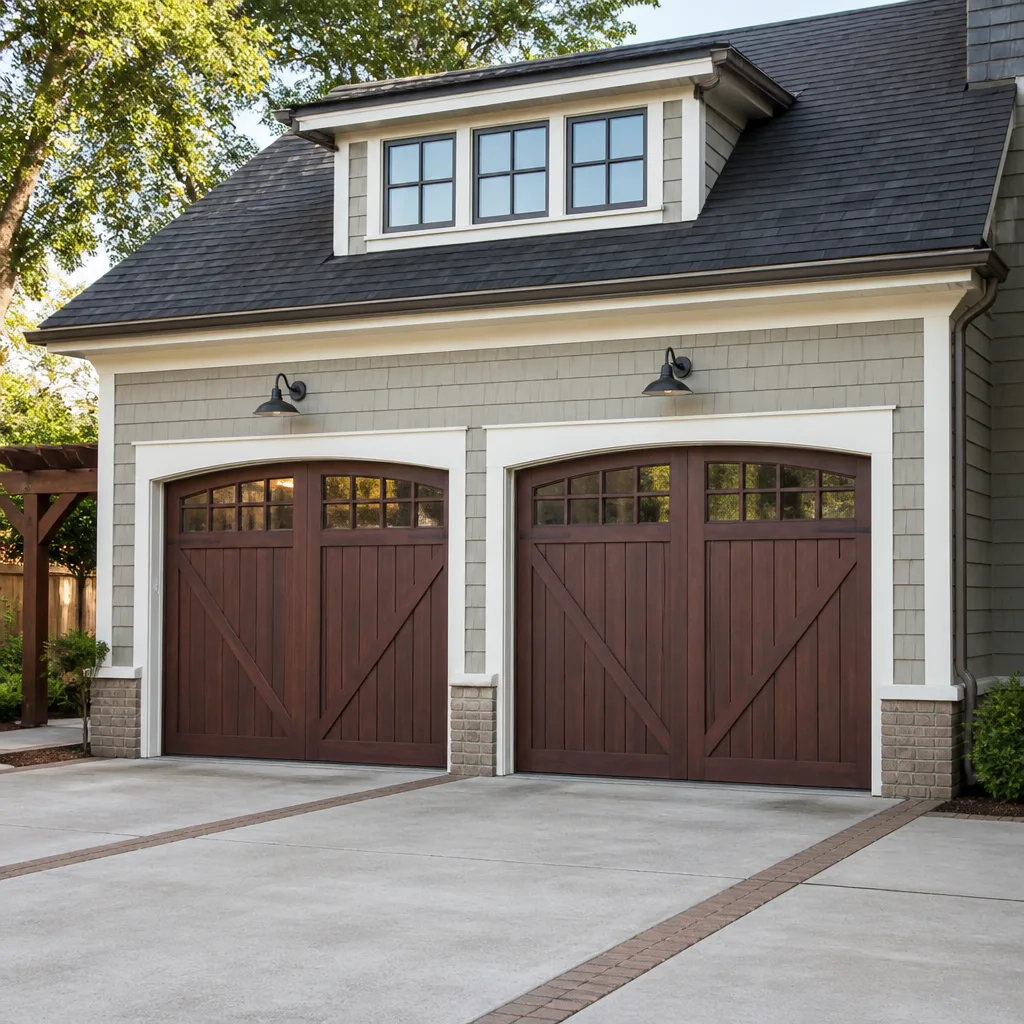 Carriage house
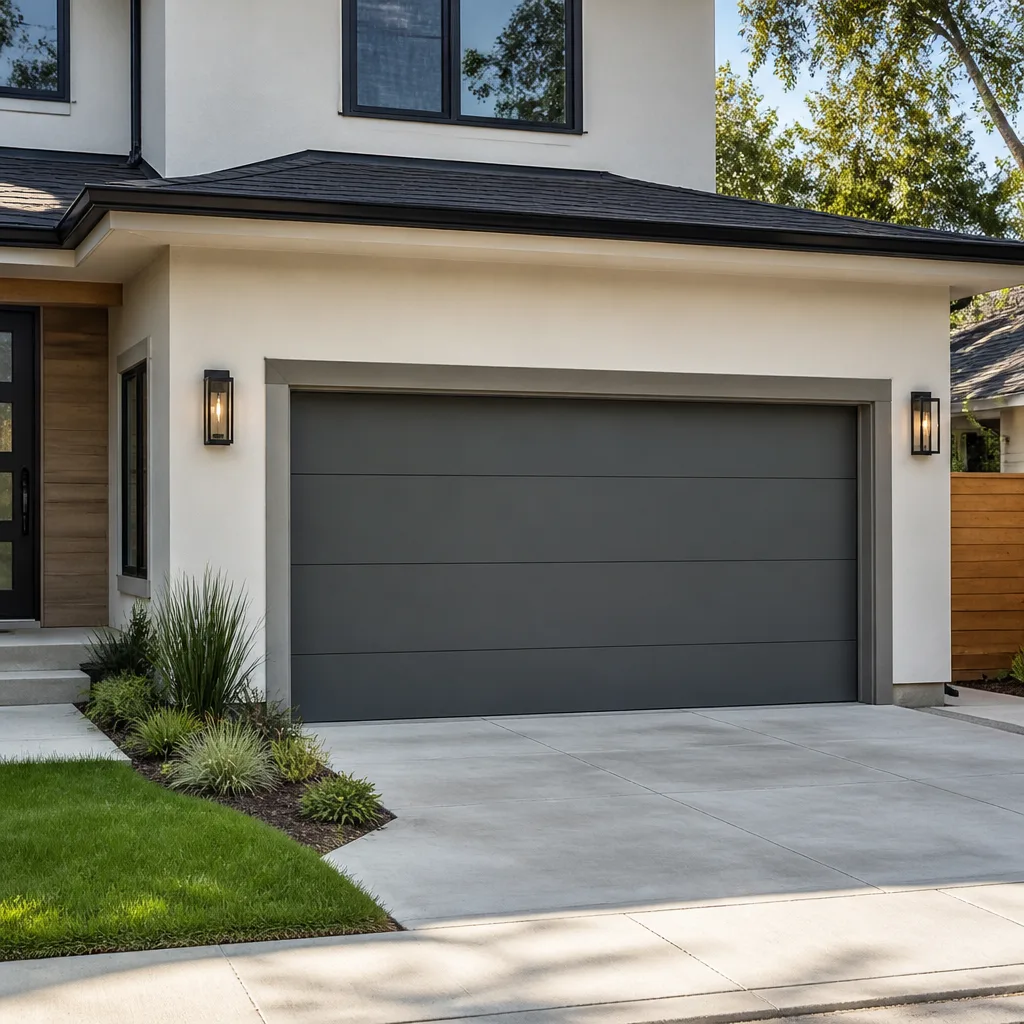 Modern flush
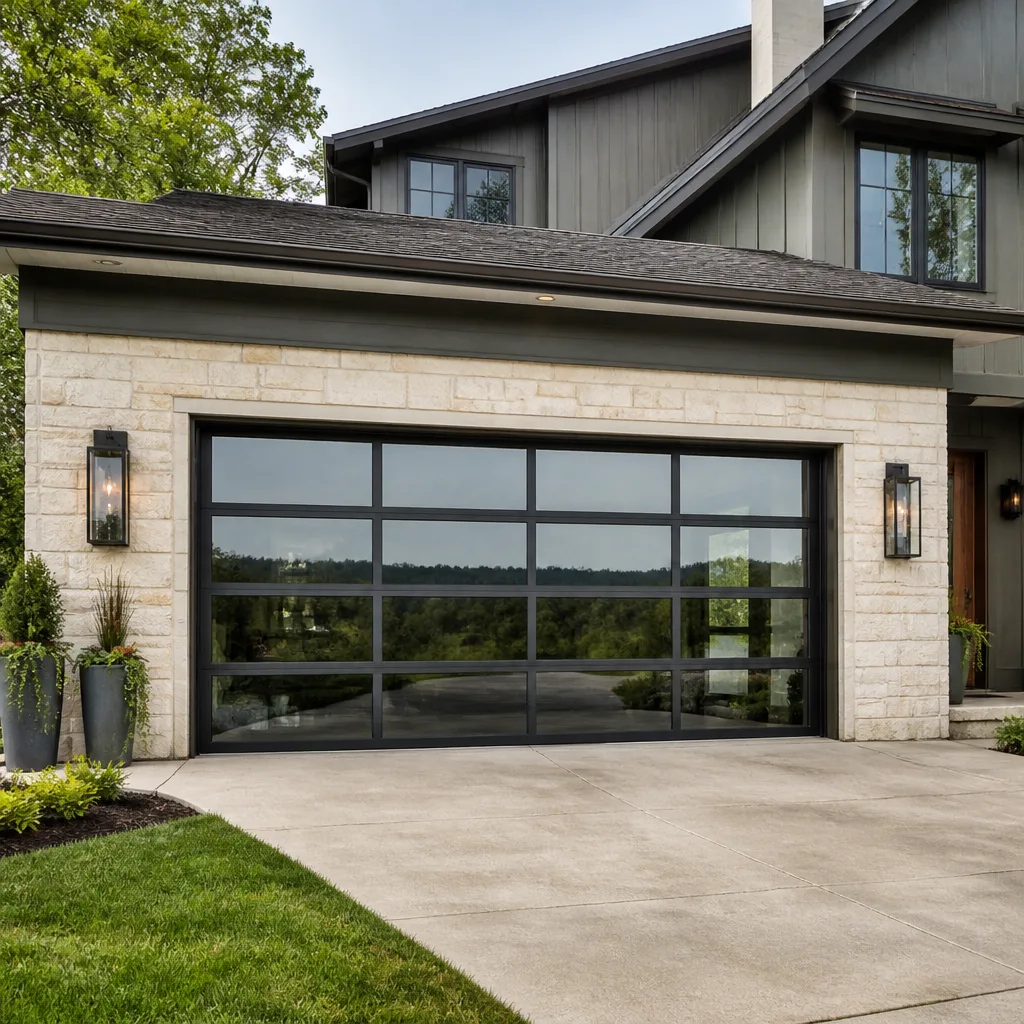 Full-view glass
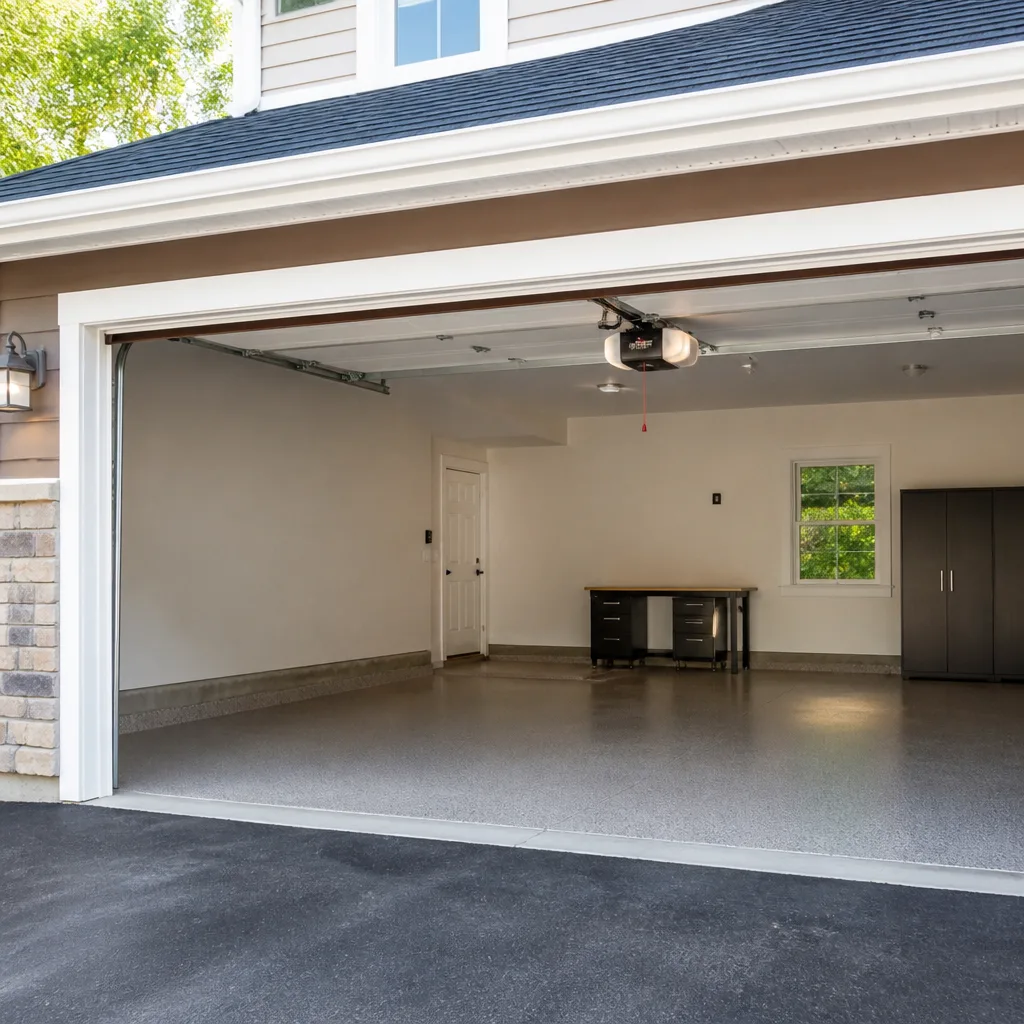 LiftMaster openers
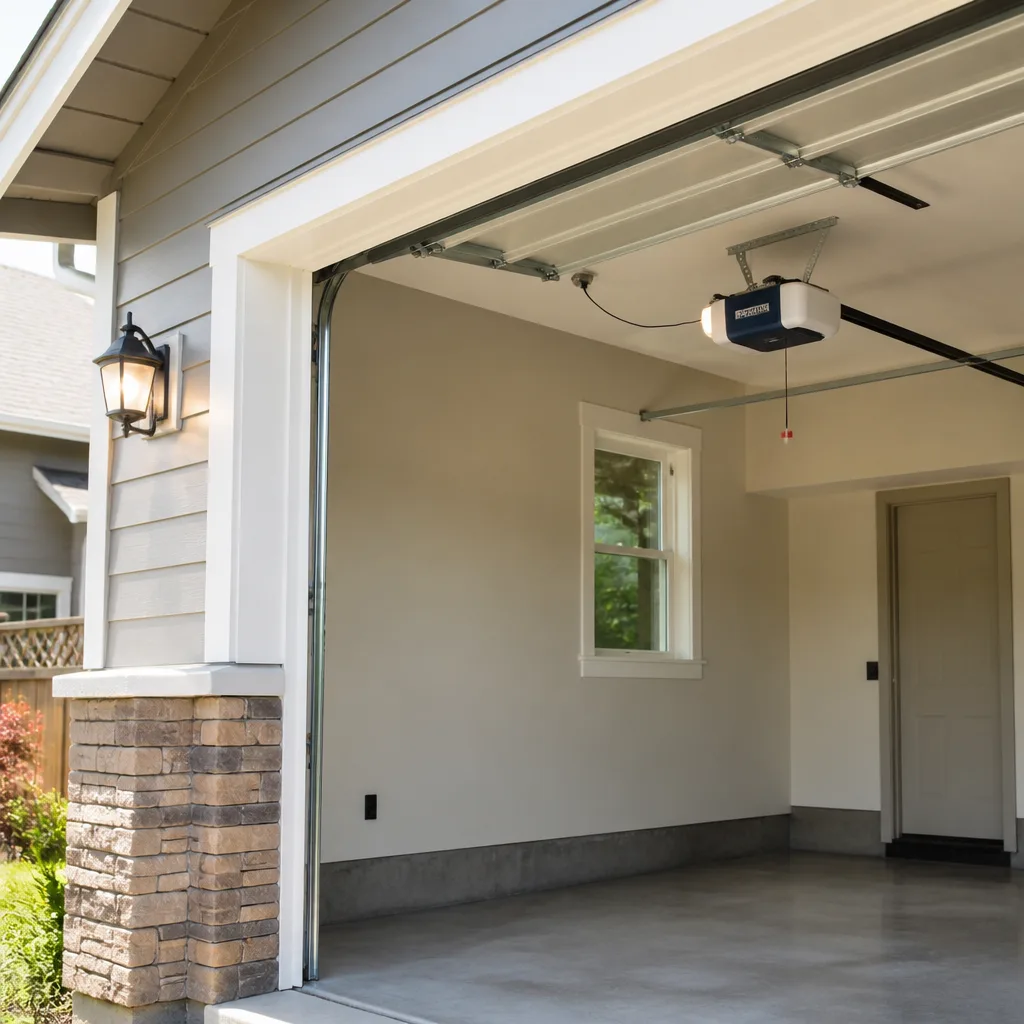 Chamberlain openers
Full 25-point door and opener safety check with every visit - springs, cables, rollers, tracks, and your LiftMaster or Chamberlain opener included
You get a price before we start. It does not change when the pro arrives.
Get your free estimateChoosing the Right Garage Door Brand: A Buyer’s Guide for Miami Gardens
Here’s the part of the conversation most brand guides skip: several nationally advertised garage door brands have limited or no products carrying Miami-Dade Notices of Acceptance. That fact usually surfaces after a homeowner has already fallen for a door based on a photo, a showroom finish, or a neighbor’s recommendation. Then comes the unwelcome discovery at the permit stage. In Miami Gardens, the local approval database, not a brand’s national reputation, is the first filter that decides what’s actually installable. So this guide flips the usual order. We start with Miami-Dade product approval, then evaluate what remains. You’ll learn how to check specific brand-and-model combinations yourself, which manufacturers actually carry compliant configurations, why manufacturer-tied dealers can’t give you a clean recommendation, and what warranty language means once the south Florida sun gets involved.
Quick Answer
The right garage door brand for Miami Gardens is one whose specific product line carries a current Miami-Dade Notice of Acceptance for the size and wind-load configuration you need – which rules out many popular national brands before features even enter the discussion. Among the major manufacturers, Clopay, Amarr, Wayne Dalton and CHI are the names most consistently represented in the local approval listings for residential work. Start by verifying the model, not the brand, then compare appearance, insulation and warranty. A door that can’t clear approval isn’t a real option here, no matter how good it looks online.
Styles & brands we work with
- Raised-panel steel
- Carriage house
- Modern flush
- Full-view glass
- LiftMaster openers
- Chamberlain openers
Table of Contents
- Why Miami-Dade Product Approval Is Your First Filter
- How to Check a Brand and Model Before You Fall in Love With a Door
- The Brands That Carry Miami-Dade Approvals: An Honest Comparison
- Standard Line vs. Impact-Rated Line: Same Brand, Different Door
- Why Manufacturer-Tied Dealers Can’t Give You a Level Comparison
- What Brand Warranties Actually Cover in South Florida Conditions
- Matching a Door to Your Home, Your Opener and Your Street
Why Miami-Dade Product Approval Is Your First Filter
Miami-Dade County operates its own product approval system for building materials used in the high-velocity hurricane zone, and garage doors fall squarely inside it. What that means practically: a garage door installed in Miami Gardens needs documentation showing the specific product is approved for the wind pressures it will face, and that documentation is the Notice of Acceptance, often shortened to NOA. The city’s building department checks for this before issuing a permit, and a contractor can’t install a door that lacks it and still pass inspection.
The filter matters most because of where it sits in the process. Choices that seem interchangeable online suddenly aren’t. Two doors from the same manufacturer can look identical on a brochure and sit in completely different places in the approval database. One carries a current notice for the sizes and design pressures typical of Miami Gardens homes. The other is sold everywhere else in the country but simply has no local paperwork.
Three things follow from this, and they shape everything else in this guide:
- Approval attaches to a product, not a brand. Manufacturer reputation says nothing about whether a specific model, in a specific size, with a specific wind-load rating, appears in the database.
- Older doors on Miami Gardens homes often predate current requirements. If you’re replacing a door that was installed decades ago, the replacement has to meet today’s rules, not the ones in place when the old door went up.
- Approval is a living record. Notices get updated, replaced and, occasionally, expire. A model number that was approved a few years ago is worth re-checking against the current listing.
In our experience, homeowners who start with the database and then shop end up with far fewer disappointments than those who shop first and check later. It’s a short detour early, and it saves a long detour when you’re already committed. The same logic applies when you’re budgeting for garage door repair: what’s permitted and available defines the work.
How to Check a Brand and Model Before You Fall in Love With a Door
Verification takes a little patience but no special access. You can do most of it before you talk to anyone. It helps to know the door’s size and the basic wind-load expectations for your home, because approval listings are tied to those specifics, not to a vague “one size fits all” claim. If you aren’t sure what those are for your property, your city’s building department is the right place to ask.
Here’s the sequence we recommend:
- Write down the exact model. Not the collection name, not the style number on a brochure. The manufacturer’s model identifier as printed in its technical documentation. Colors are listed separately too, and some approvals cover only certain finishes.
- Find the manufacturer’s approval documentation. Manufacturers publish NOA references for their approved products, often in downloadable technical packets or compliance sheets. Ask the dealer to send the one for your model in writing.
- Check the Miami-Dade product approval database. The county maintains a searchable listing of approved products. Search by the model, not the brand. Confirm the notice is current and matches the size and wind-load configuration you need.
- Read what the notice actually covers. A valid listing for the right door isn’t enough if your installation calls for a different design pressure or a different anchor configuration. The details matter.
- Ask your installer to confirm the permit will reference that notice. A confident installer will tell you exactly which document supports the install before work begins.
There’s a second filter underneath all this. A brand’s distribution network matters too. If a manufacturer has one nominal approved model and a single local distributor, your ability to get a matching replacement panel, spring or track when something breaks is thinner than it should be. Our garage door repair work in Miami Gardens routinely shows the difference between a genuinely supported brand and a catalog entry that no one locally stocks parts for. Ask about parts availability before you commit, not after.
The Brands That Carry Miami-Dade Approvals: An Honest Comparison
Among the major manufacturers, four names show up consistently in the Miami-Dade approval listings for residential work: Clopay, Amarr, Wayne Dalton and CHI. Other large brands, including some of the best-known names in the country, have limited or no products carrying notices for the configurations typical of Miami Gardens homes. That’s not a knock on their quality. It’s a statement about local availability.
Here’s a general comparison of the four, focused on the configurations that matter in Bay 9 and other neighborhoods across the city:
- Clopay: Broad residential catalog, with insulated and non-insulated options and a range of appearances. The main consideration is matching your desired model, size and color against the current approval record, since not every finish is approved for every size.
- Amarr: Strong in steel and insulated doors with a good spread of residential configurations. Worth comparing on weight and hardware quality, since heavier doors place more load on springs, tracks and openings.
- Wayne Dalton: Carries a recognizable residential line and a solid set of approved configurations. Panels and hardware are generally obtainable, which is a real factor for long-term support.
- CHI: Less of a household name, but a frequent presence in South Florida approval records. Often competitive on lead times and configuration flexibility, which matters for narrower openings and older home structures.
The comparison only takes you so far. The right move is to treat the list as a starting point, verify each candidate against the database for the exact door you’re considering, and only then compare insulation, glass options, color, warranty terms and lead time. In Miami Gardens, aesthetics need to layer on top of a door that can actually be installed and permitted.
One more note: brand knowledge extends to the opener, not just the panel. A door’s practical performance depends on the opener lifting it. Our garage door opener repair work across Miami Gardens regularly involves adjusting a working opener for a new door, and it goes better when the door choice was made on real measurements, not a brochure spec sheet.
Standard Line vs. Impact-Rated Line: Same Brand, Different Door
One of the most common points of confusion we see is the assumption that choosing a brand covers the whole product family. It doesn’t. Manufacturers generally run a standard residential line and, separately, impact-rated or wind-load-rated lines with their own specifications, testing history and approval records. Some models overlap. Many don’t. You can buy two doors from the same maker that share a name and almost nothing else.
A few general differences matter when you’re choosing between them:
- Construction: Impact-rated lines use heavier gauges, reinforced hardware and more substantial anchors to handle wind pressure. Standard doors aren’t built to that spec.
- Approval coverage: Impact-rated models are more likely to appear in the local approval listings, but the notice still needs to be for the exact size and design pressure your installation requires.
- Appearance options: The impact line is often narrower on color, glass and texture. That’s a real trade-off if you’re matching a specific exterior.
- Weight and load: Heavier doors need different springs, track anchoring and sometimes a stronger opener. Planning ahead avoids a mismatch at install.
The trap is thinking you can use a standard door in an impact-rated configuration. The approval record, the hardware and the insurance and code expectations all depend on the correct product. Ask any installer to name the specific model and approval notice they’re planning to install, in writing, before work starts. If they hedge on that answer, it’s worth a second call.
Why Manufacturer-Tied Dealers Can’t Give You a Level Comparison
A dealer who earns margin on one brand has a natural reason to recommend that brand, whether or not it’s the best fit for your home. That’s not a criticism of the dealer’s integrity. It’s a structural feature of dealer agreements. The catalog, the co-op funding, and the dealer’s training all push in one direction.
Practically, that shows up in a few predictable ways:
- A recommendation that happens to be exactly the manufacturer’s flagship line, whatever your brief actually was.
- Optimistic language about “equivalent” products, without a side-by-side on configuration, approval status and lead time.
- Little detail on how other brands would perform for your specific opening, because the dealer can’t offer them anyway.
What you want instead is a comparison that includes brands and products the advisor doesn’t sell. That’s a higher bar than it sounds – it means the person recommending doors isn’t the person selling them. It’s the reason we work brand-agnostically across a range of manufacturers, including Clopay, Amarr, Wayne Dalton and others. Our recommendations are driven by configuration, approval status and the property, not by which name moves the most margin.
When you’re evaluating a bid, add one question: “Which other brands did you consider for this door, and why did you land where you did?” An advisor who’s got a real answer buys confidence. Someone who can’t explain the alternative probably never compared it.
What Brand Warranties Actually Cover in South Florida Conditions
South Florida weather tests a garage door in ways a northern climate never does. UV exposure, humidity swings and the occasional salt-heavy storm push paint, hardware and seals beyond what they see in most of the country. That’s exactly why the warranty language deserves a close read before you sign – not after the first fitting starts to pit.
Two clauses matter most:
- Corrosion coverage. Many door warranties include some language about rust or corrosion on steel panels and hardware, but the coverage is often limited to specific components, has a shorter term than the finish warranty, and excludes normal wear. Ask what’s covered, for how long, and what disqualifies a claim.
- “Normal weathering” exclusions. In a coastal climate, this clause is doing serious work. Discoloration, dulling, minor surface rust on hardware and seasonal expansion effects often fall under normal weathering rather than a defect. That means the paint warranty may not cover what you’d expect.
A couple of specific questions help break the language open. Does the finish warranty apply to doors in this climate, and are there any conditions that void it in coastal areas? Is the hardware warranty separate from the panel warranty? Who handles a claim – the manufacturer directly or the installer? And is any labor coverage included in the first year, or is it materials only?
Warranty terms vary by brand and model, so compare them side by side rather than assuming a longer term is always better. A shorter, clearly worded warranty often beats a long one full of exclusions. The other factor is who actually installs the door. Installation governs whether the warranty survives contact with reality, and a well-installed door from a mid-tier brand tends to outlast a poorly installed door from a top-tier one.
Matching a Door to Your Home, Your Opener and Your Street
The last part of a brand decision is the most personal: the door you choose should fit the opening you have, the opener you rely on, and the way your property looks. In Miami Gardens, homes range from mid-century single-car garages to wider two-car openings, and the door that fits one cleanly doesn’t always suit the other. Width, headroom and the condition of the surrounding framing all factor in.
If you’re keeping your current opener, check that it can lift the new door’s weight without strain. Insulated doors are heavier, and a marginal opener that handled the old panel fine may not handle a sturdier one. If the opener is old or unfamiliar, our garage door opener repair work is where we most often catch these mismatches – before the first strained lift, not after.
Appearance has its own logic. A door that matches the proportions and palette of the home tends to look more at home on the street than a more expensive door that doesn’t. Color choices are narrower in impact lines, which is worth knowing early so you aren’t building a wish list the approval record can’t fulfill.
Lead time matters too. Custom-size and custom-color doors take longer than standard configurations, and installation is scheduled around the door’s arrival, not the other way around. If you’re working against a timeline, say so at the estimate stage. It changes which products are genuinely realistic.
Common Mistakes to Avoid
- Shopping by brand before checking approval. A brand’s national reputation tells you nothing about whether a specific model is listed for your size and design pressure. Start with the model and work backward.
- Assuming the mid-tier “equivalent” is the same door. Manufacturers run separate standard and impact lines, and they are not interchangeable. Confirm the exact product, not the family.
- Skipping the corrosion clause. “Normal weathering” reads very differently in a coastal climate than it does in the manufacturer’s home state. Ask specifically what’s excluded on finish and hardware.
- Trusting a single dealer’s comparison. If the only brands on the table are the ones the dealer sells, the comparison isn’t finished. Ask about alternatives they don’t offer.
- Buying the heaviest door your opener can’t lift. An upgraded door with an old or marginal opener leads to premature opener failure, spring strain and calibration problems over time.
- Forgetting parts availability. A model that’s local-approved but thinly distributed is harder to repair later. Ask your installer how easily matching panels and hardware can be sourced in Miami Gardens when something needs replacing.
- Not requiring the approval reference in writing. A confident installer puts the model, the notice number and the installation details in the written quote. Anything less is a risk carried by you.
See the difference
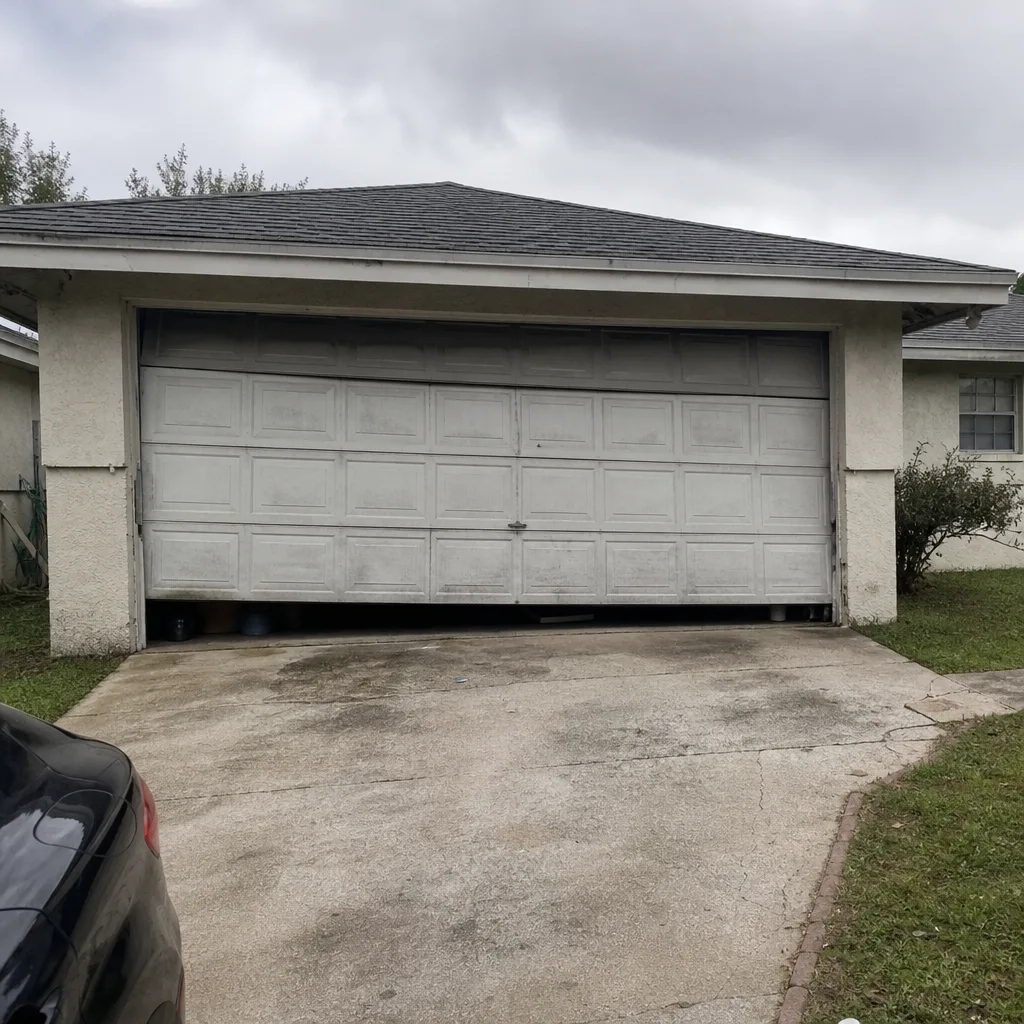 Before
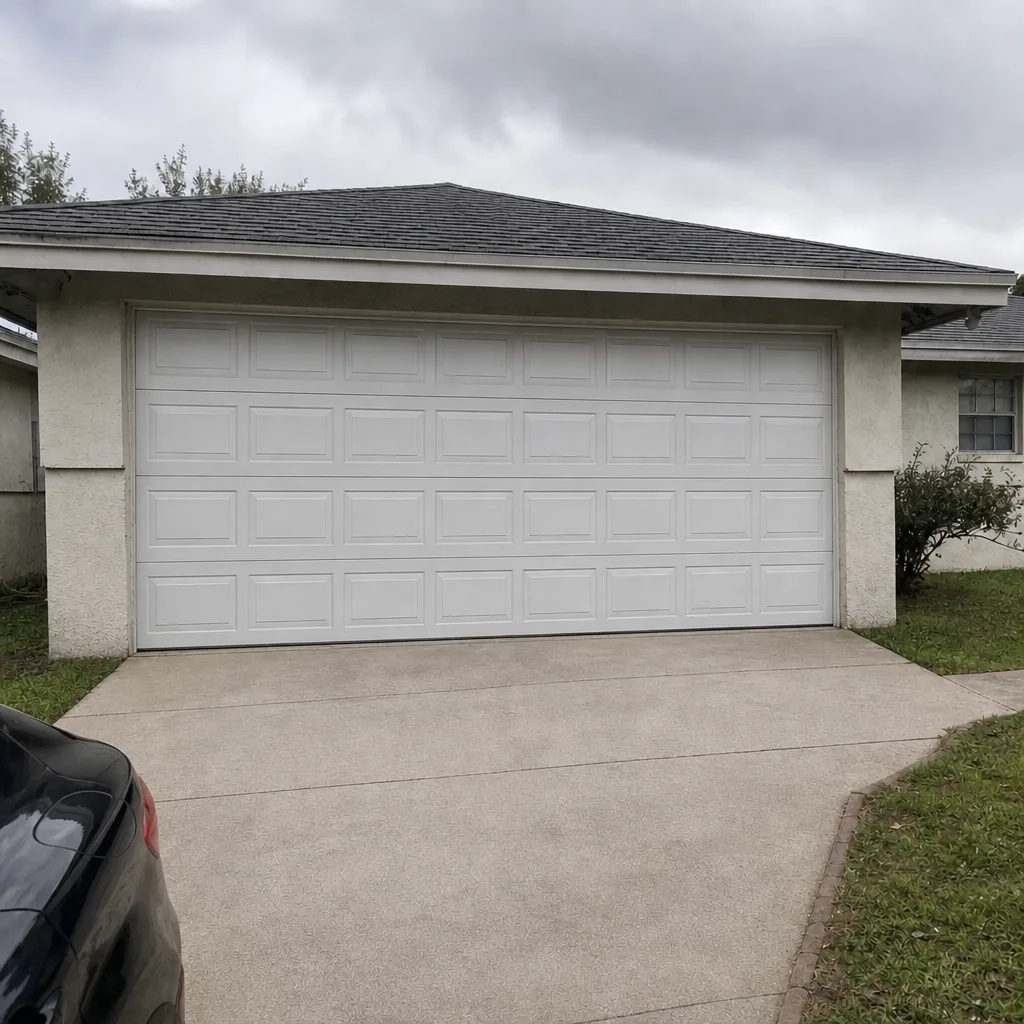 After
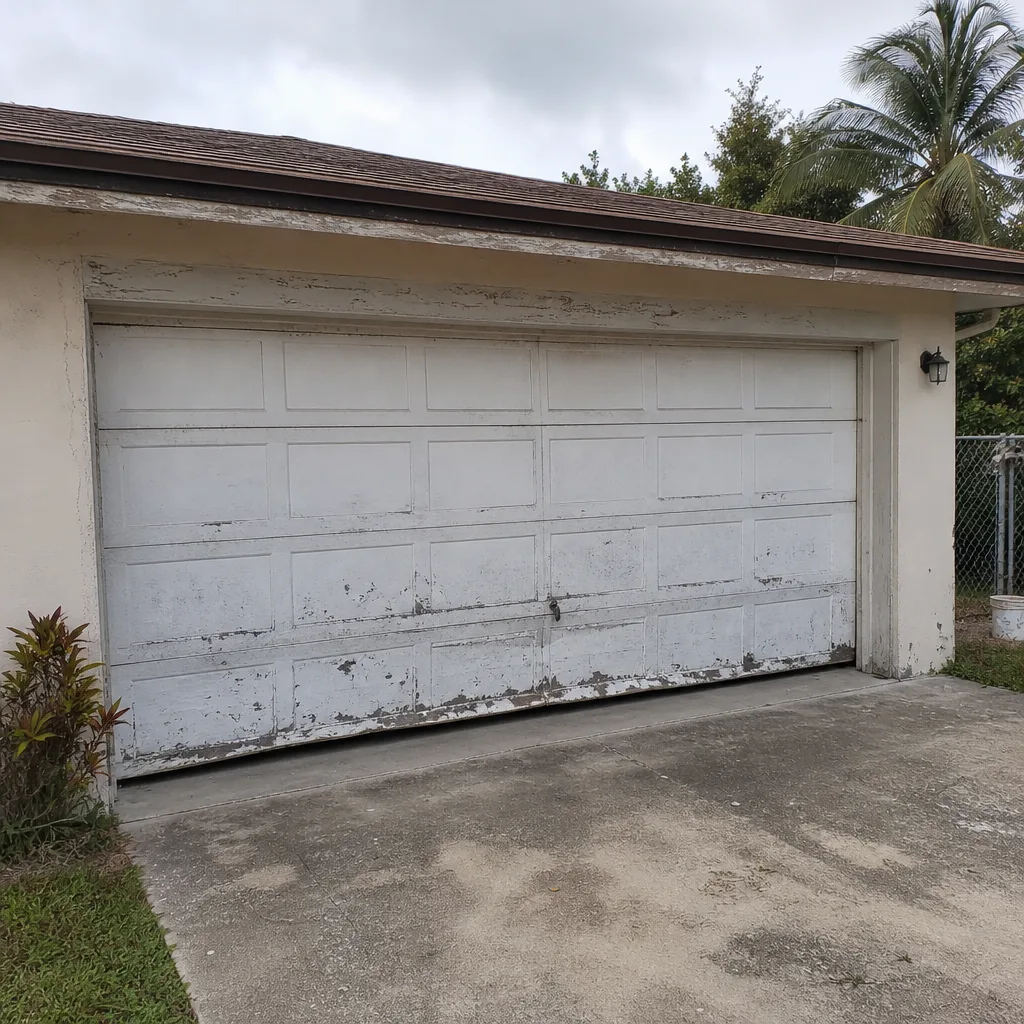 Before
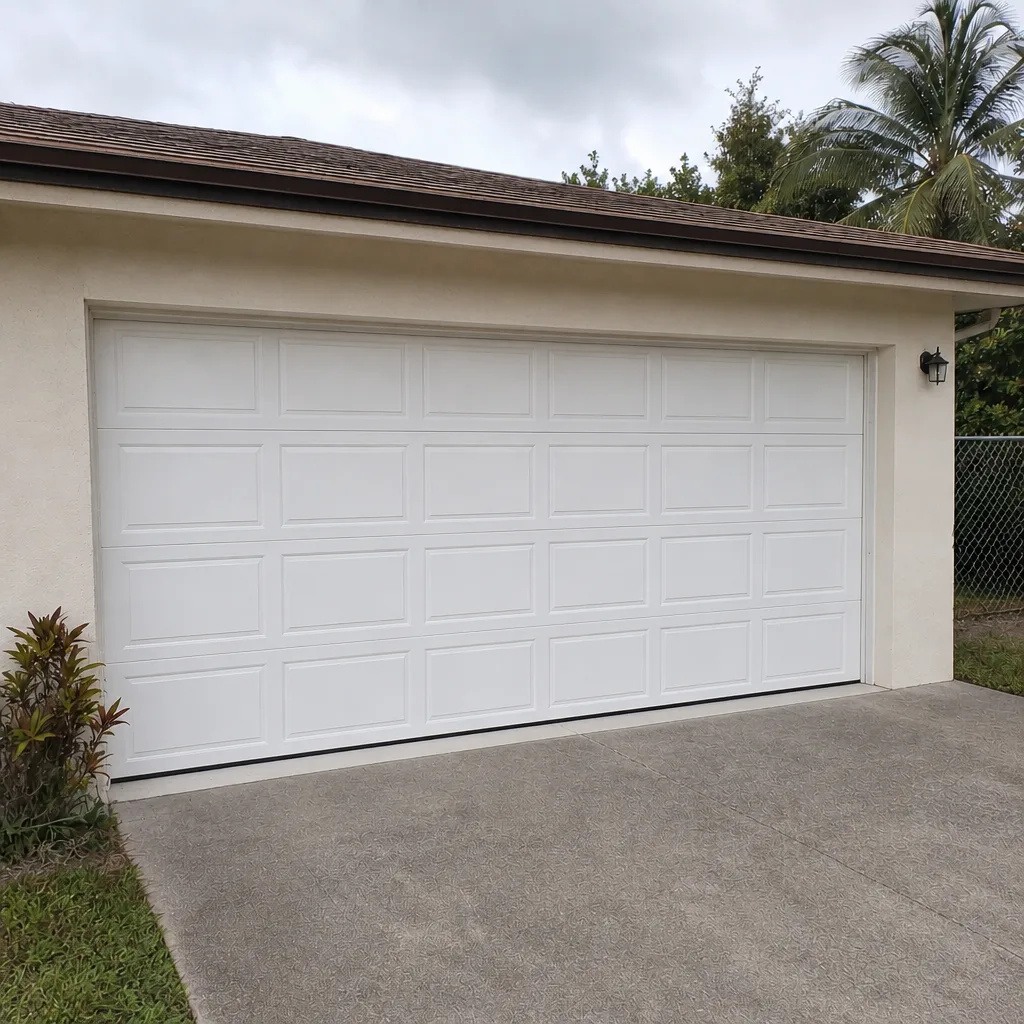 After
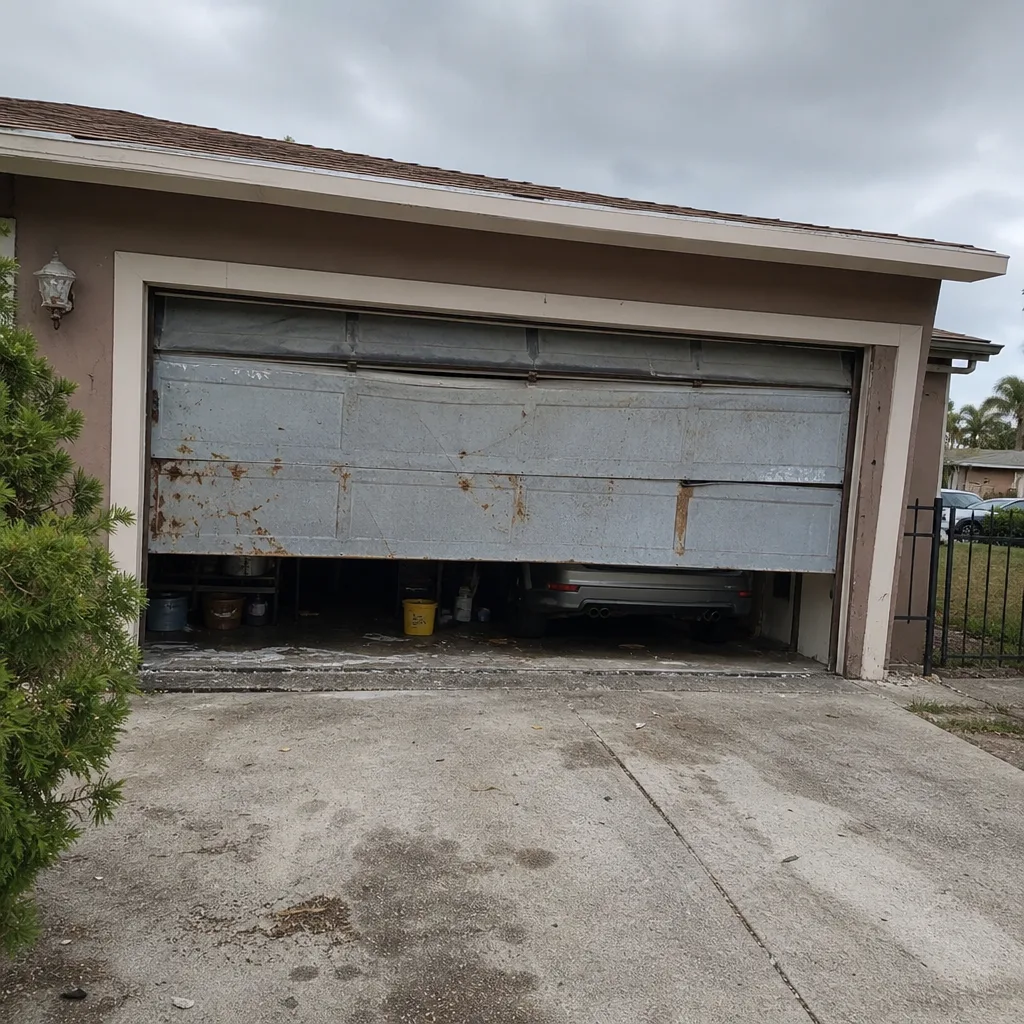 Before
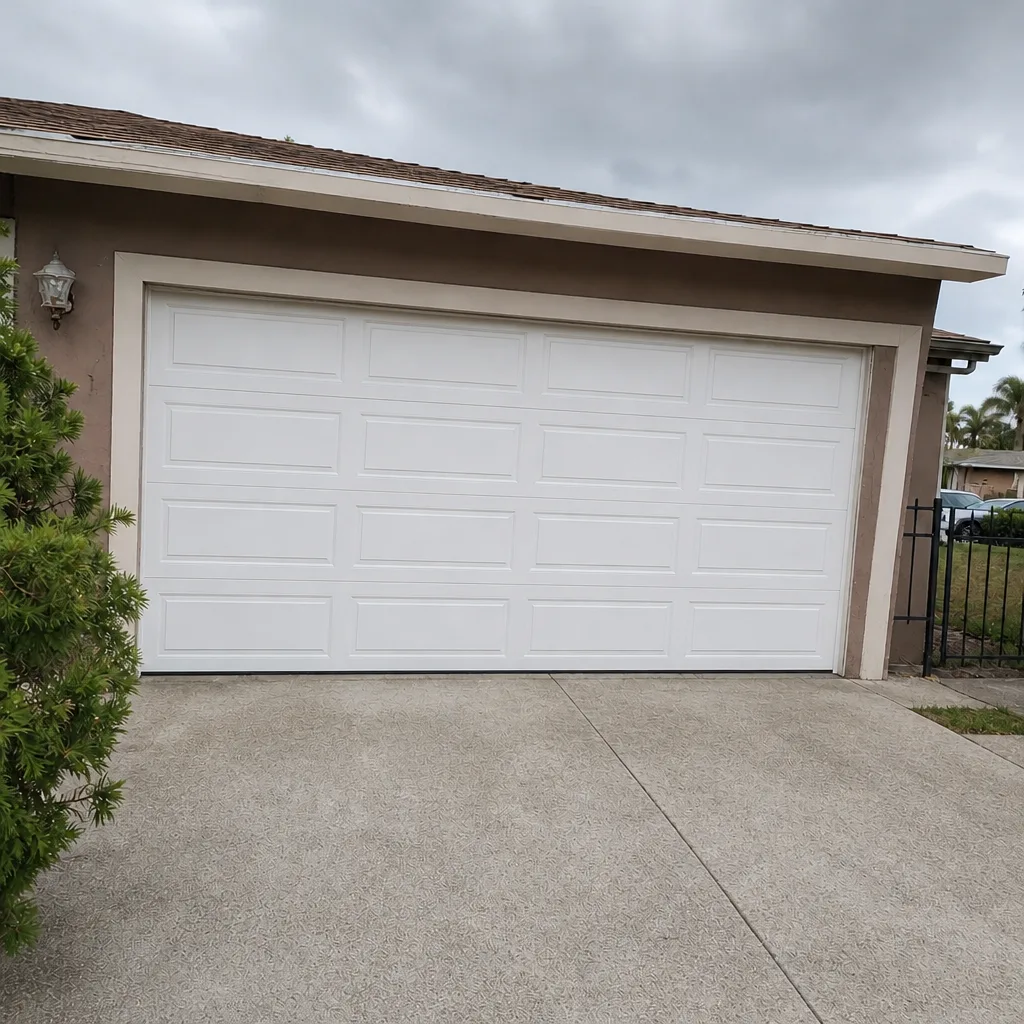 After
When to Call a Professional
Some garage door decisions are genuinely DIY-friendly. Brand selection, permit verification and installation are not, and neither is anything involving springs, cables or the torsion assembly that gives the door its lift. Those parts are under high tension, and a mistake can cause serious injury – this is a trained technician’s job. Call a professional when you’re comparing approval listings for your home, when you need a door measured for a specific opening, or when the brand you like turns out not to carry an approved configuration and you want a real comparison. Call, too, when an opener’s behavior changes, when a door stops traveling smoothly, and when you need a written estimate tied to a specific product. Sunstone Garage Door Repair offers free estimates in Miami Gardens – call (855) 360-7295. We answer 24/7, with fast dispatch from 7am to 7pm, Sunday through Friday.
Frequently Asked Questions
The best brand is one with a current Miami-Dade Notice of Acceptance for the exact model, size and wind-load configuration your home needs. Among the names most consistently represented locally, Clopay, Amarr, Wayne Dalton and CHI appear frequently in the approval listings. Compare those on configuration, appearance and warranty – but verify the specific model in the database first, because brand reputation alone doesn’t guarantee installability. Call (855) 360-7295 for a free estimate – we’ll check your options against the current record with you.
Generally no. If the specific model isn’t in the Miami-Dade approval database for the configuration you need, the permit and inspection won’t clear and the door can’t legally be installed. That’s why we recommend checking approvals before you settle on a door, not after. Ask your installer to confirm the notice in writing before work starts. Call (855) 360-7295 if you’re unsure – the check is fast when we know the model.
Because national marketing and local installability are two separate questions. The approval record is what governs whether a door can go up in Miami Gardens, and several nationally advertised brands have limited or no listings for typical residential configurations here. The most confident path is to start from the local record, then match a model to the appearance you want. Call (855) 360-7295 and we’ll walk through the model you had in mind.
No. Manufacturers run separate standard and impact lines with different construction, hardware and approval records, even when they share a catalog family. A standard door won’t carry the local approval for a wind-rated installation, and the weight and hardware differences mean the springs, anchors and opener all need to match the door you choose. Ask your installer to name the exact product in writing before work starts. Call (855) 360-7295 for a free estimate.
Coverage varies, but two clauses matter most: corrosion coverage on panels and hardware, and the “normal weathering” exclusion. In a coastal climate, finish discoloration, minor hardware rust and surface changes often fall under normal weathering rather than a defect, which limits what the finish warranty will actually pay for. Read both clauses side by side across the brands you’re considering. Call (855) 360-7295 if you’d like to compare warranty terms with a second opinion.
Manufacturer-tied dealers typically earn margin on one brand, and their training, catalog and co-op funding all point toward that line. The recommendation isn’t automatically wrong, but it isn’t a neutral comparison either. If you want a level recommendation for Miami Gardens, ask for a side-by-side that includes brands the advisor doesn’t sell. Sunstone Garage Door Repair works across multiple manufacturers and recommends by configuration, not by margin. Call (855) 360-7295 for a free estimate.
The Bottom Line
In Miami Gardens, brand selection starts in a database, not a brochure. The first question isn’t “which brand is best?” – it’s “which specific model carries a current Miami-Dade Notice of Acceptance for my size, wind load and configuration?” Start there, verify before you fall in love with a door, and the rest of the comparison becomes honest. Clopay, Amarr, Wayne Dalton and CHI carry the most consistent local approval records, but the exact model still needs to check out. Read the warranty language – especially corrosion and “normal weathering” – and ask for a second opinion that includes brands your dealer doesn’t sell. A well-installed door in an approved configuration is the one you won’t have to call back about.
Whether you’re weighing brands, verifying an approval, or comparing quotes, our team is happy to walk through the details with you. Sunstone Garage Door Repair handles repair, opener work and full installation from one company, and we’ll check the local record with you. Call (855) 360-7295 for a free estimate. We answer 24/7, with fast dispatch from 7am to 7pm, Sunday through Friday.
Written by the team at Sunstone Garage Door Repair.