
Last updated November 16, 2026
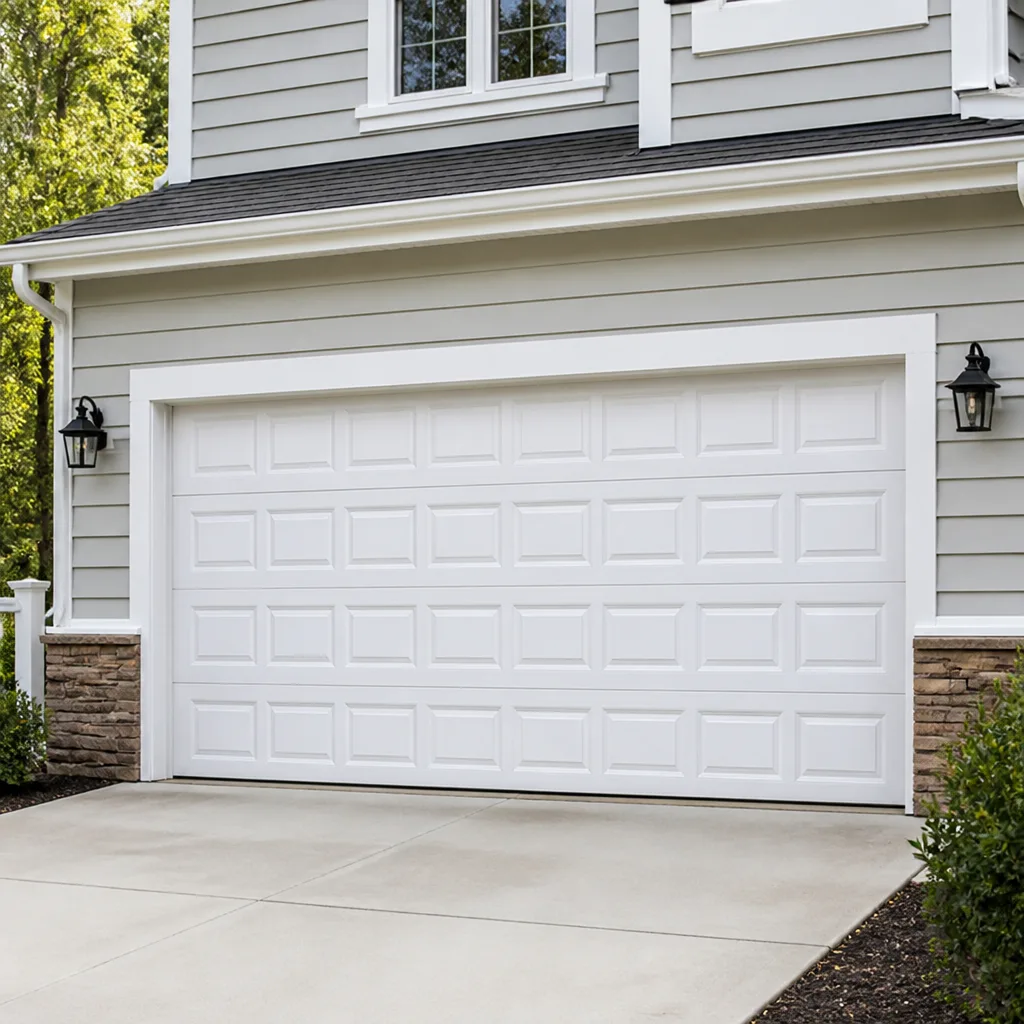 Raised-panel steel
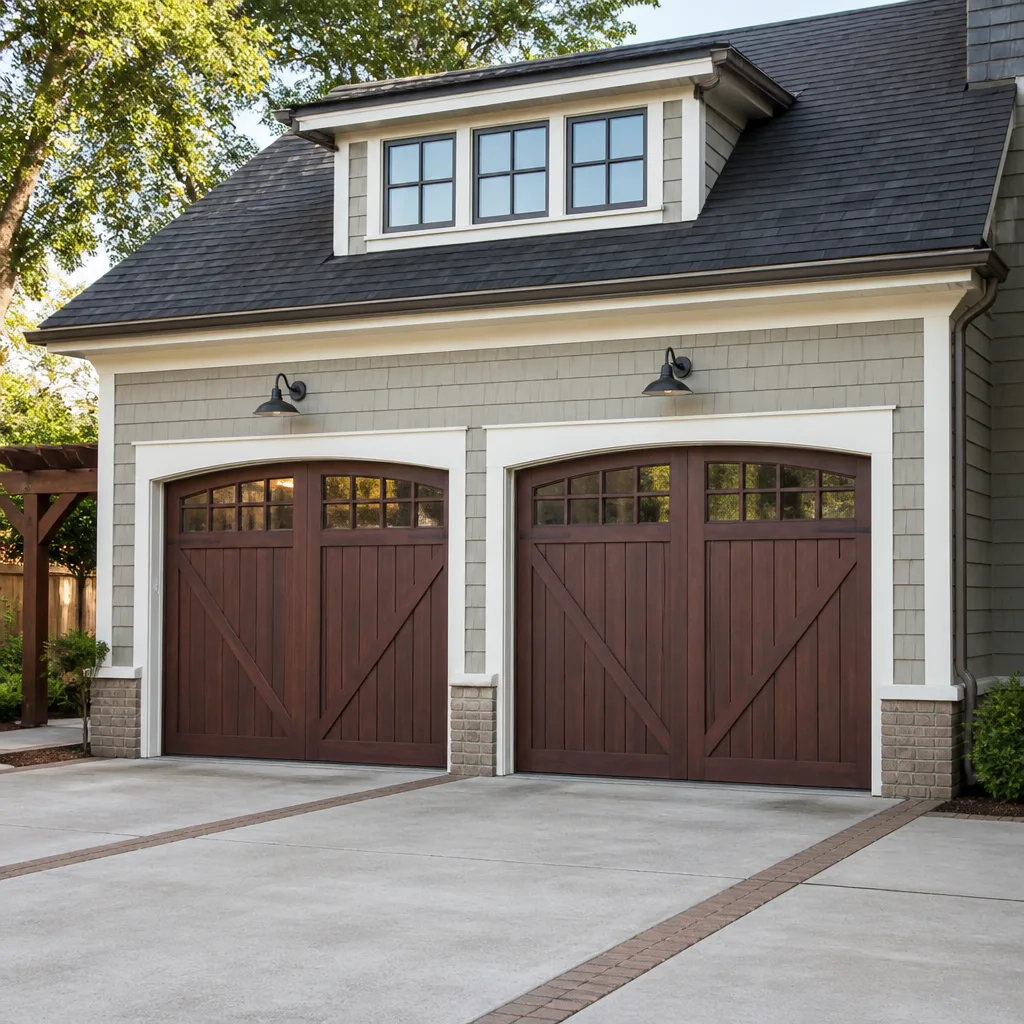 Carriage house
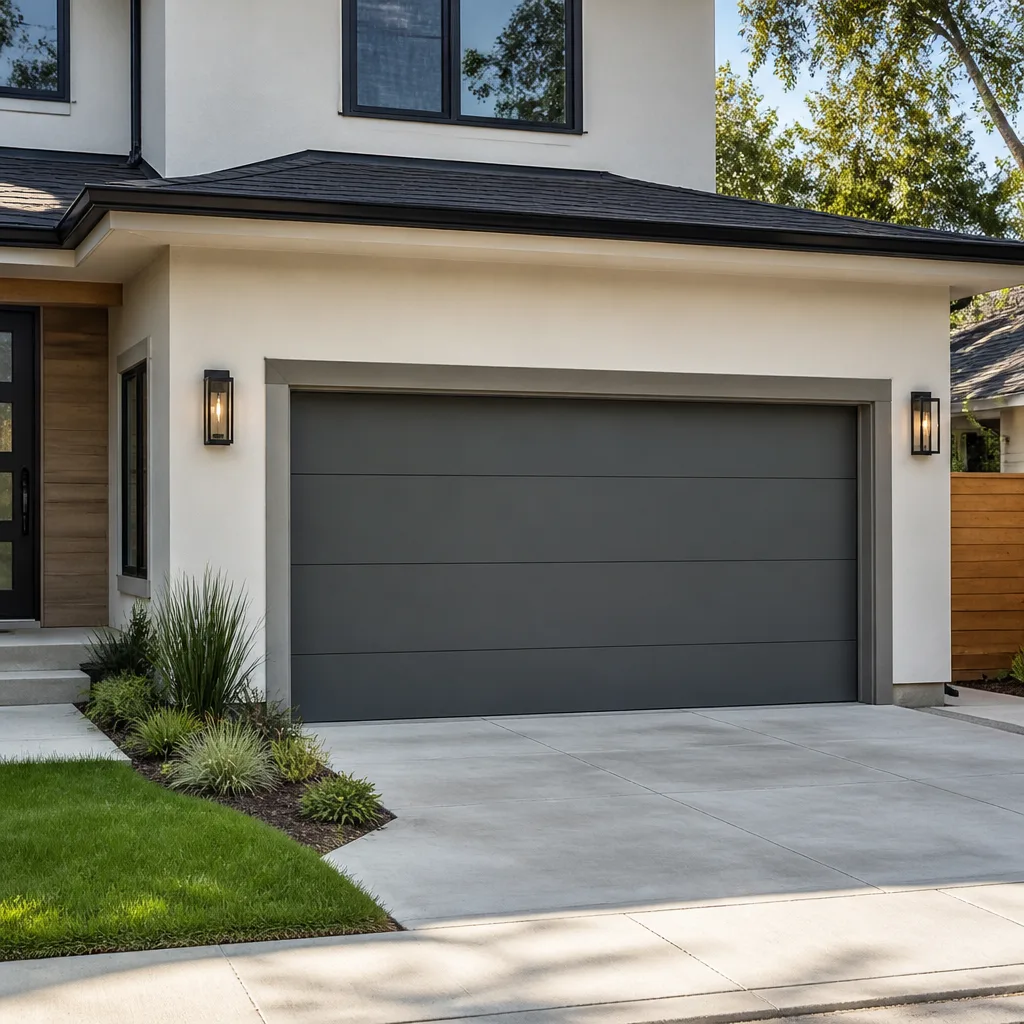 Modern flush
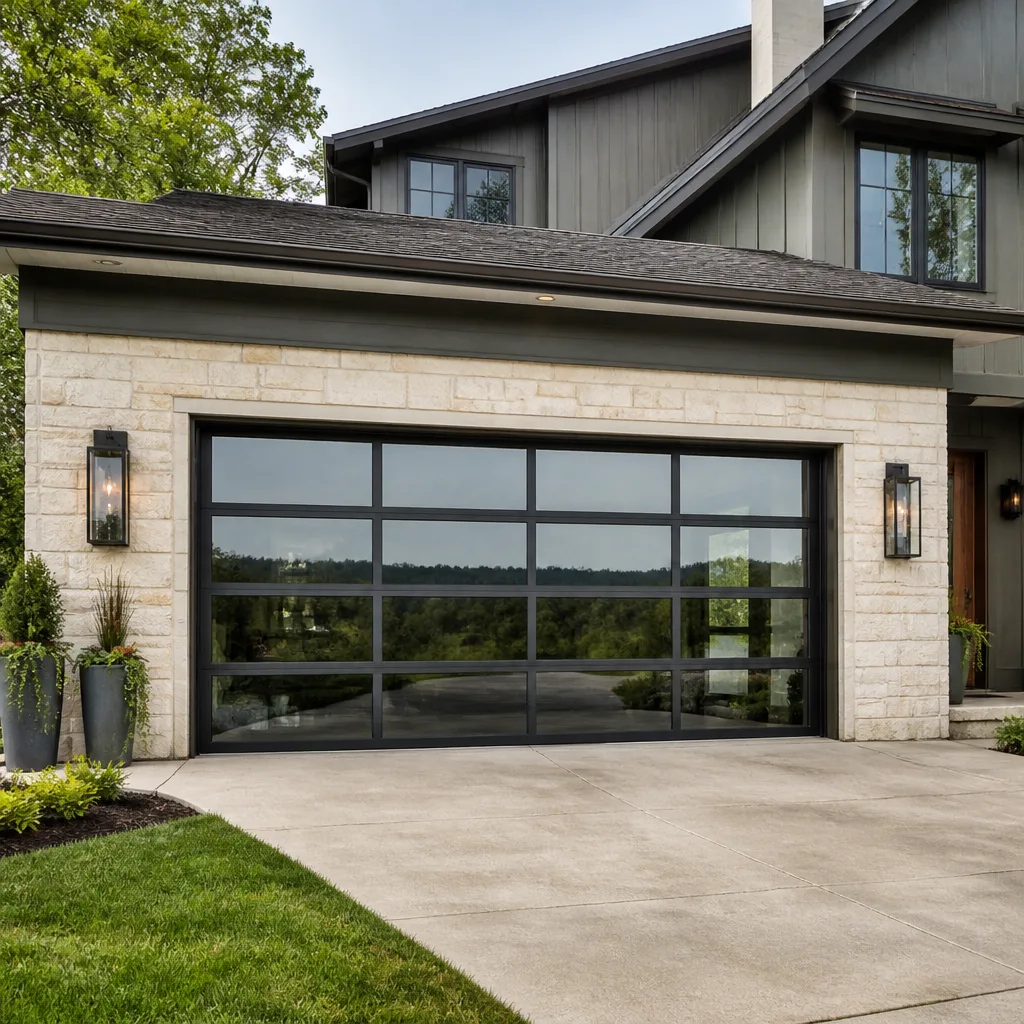 Full-view glass
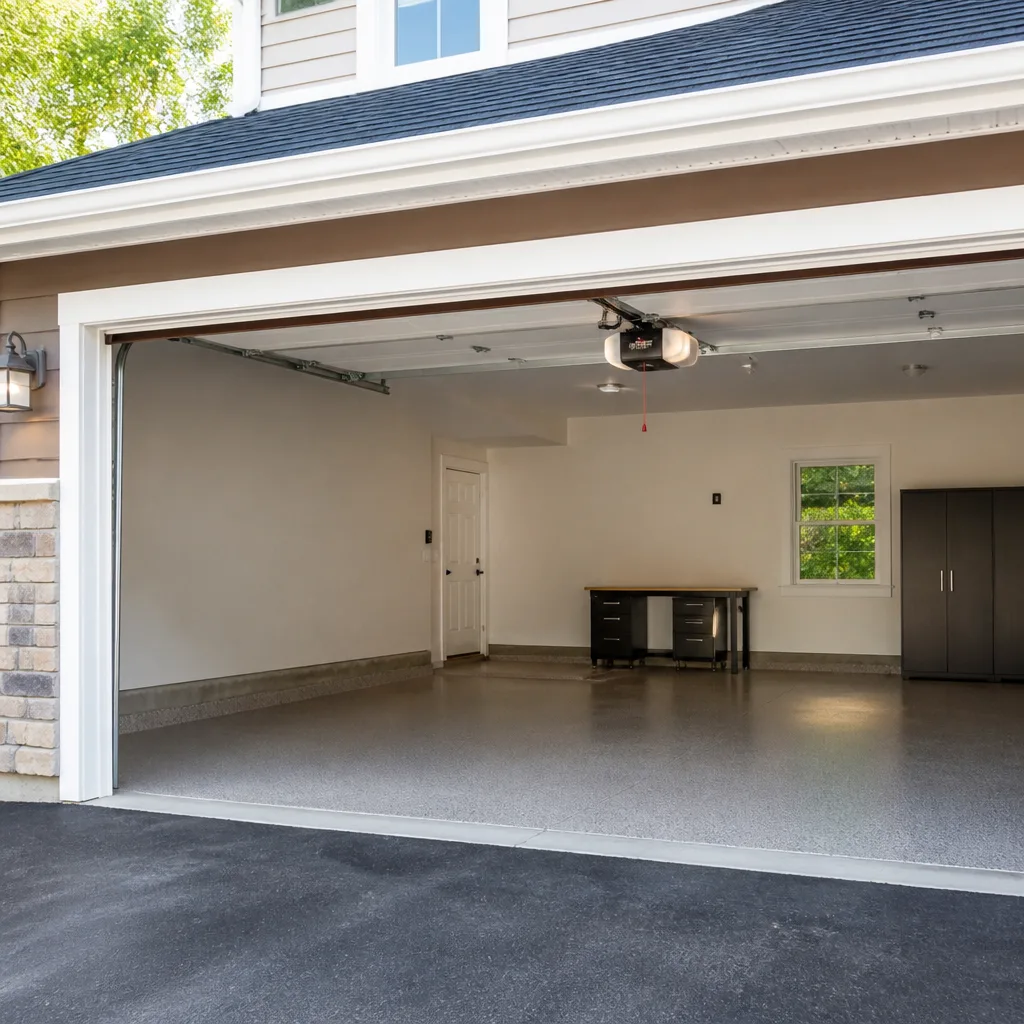 LiftMaster openers
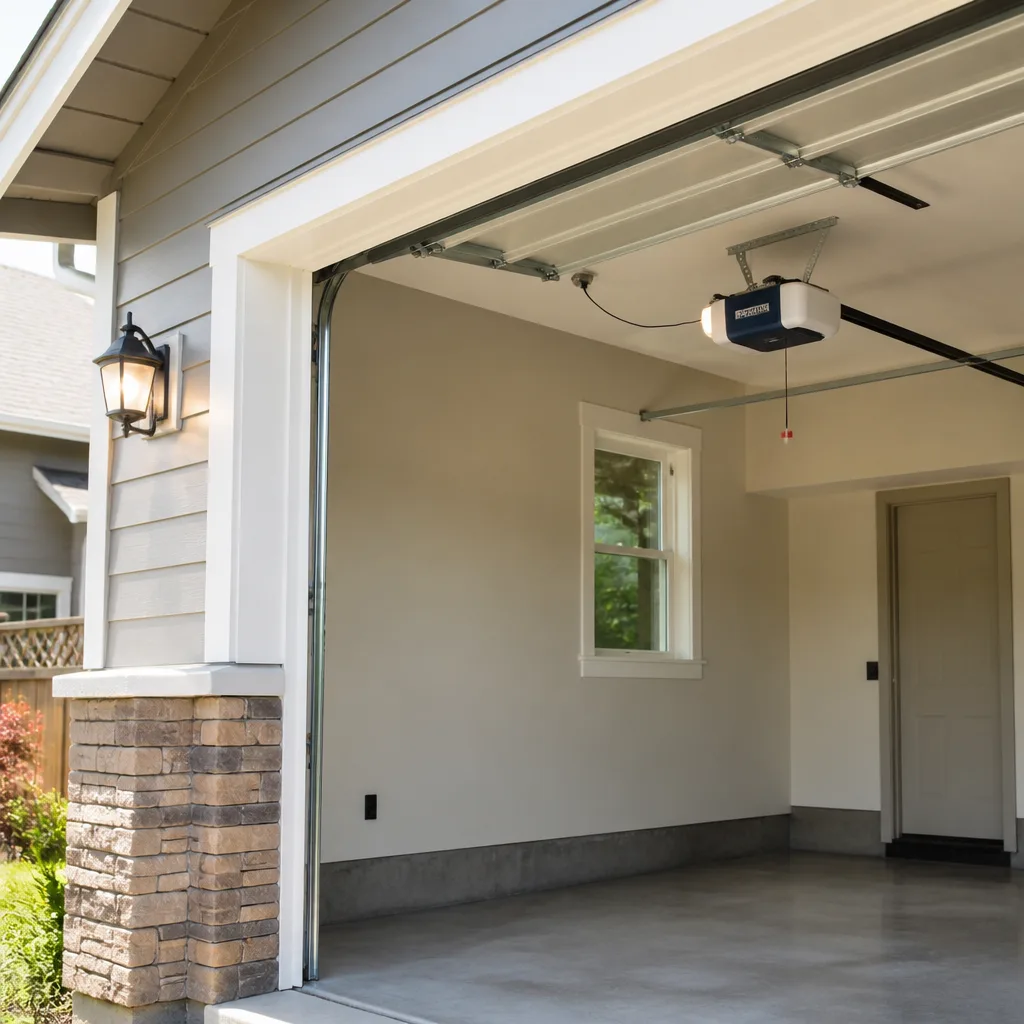 Chamberlain openers
Full 25-point door and opener safety check with every visit - springs, cables, rollers, tracks, and your LiftMaster or Chamberlain opener included
You get a price before we start. It does not change when the pro arrives.
Get your free estimateGarage Door Emergency Preparedness Guide for Miami Gardens Homes
The most dangerous garage door moment in a Miami Gardens hurricane isn’t the peak of the storm. It’s the ninety minutes before landfall, when a homeowner walks out to secure the house and discovers the door won’t close by hand. The manual release cord won’t budge, or the opener is dead and there’s no battery backup to lift a door that’s been sitting on the same springs for years. The storm didn’t break that door. The months of quiet neglect before the storm did, and by the time you find out, you’re out of time. This guide walks through the specific preparation that prevents that window from ever catching you off guard: manual operation done safely, wind-load checks, battery backup selection built for multi-day outages, a post-storm inspection protocol, and the paperwork that matters when you file a claim.
Quick Answer
Garage door emergency preparedness in Miami Gardens comes down to five checks before a named storm: confirm the door closes and locks manually with the opener disconnected, verify the door meets Miami-Dade wind-load requirements for your home, install or test a battery backup opener rated for extended outages, photograph and file your NOA number and permit records, and know the post-storm inspection sequence so you don’t force a damaged door open. Do those five things in calm weather and the pre-landfall panic window stops being a threat.
Styles & brands we work with
- Raised-panel steel
- Carriage house
- Modern flush
- Full-view glass
- LiftMaster openers
- Chamberlain openers
Table of Contents
- Manually Operating and Securing Your Door When the Power Fails
- Does Your Door Meet Miami-Dade Wind-Load Requirements?
- Choosing a Battery Backup Opener for Multi-Day Outages
- Post-Storm Inspection: What to Check Before You Operate the Door
- The Paperwork That Matters for Storm Insurance Claims
- Building a Miami Gardens Storm-Season Routine
- Common Mistakes to Avoid
- When to Call a Professional
Manually Operating and Securing Your Door When the Power Fails
A garage door is designed to be released by hand during a power failure, and it takes less than a minute when everything is in working order. The process is simple. The failure mode is not. Most doors that can’t be opened by hand in an outage haven’t been released in years, or the release cord was pulled under tension in a way that damaged the mechanism.
Here is the sequence to know and to practice while the weather is calm:
- Stand clear of the door and the springs. Springs and cables are under extreme tension at all times and can cause serious injury if they fail or are handled. Never touch the springs, cables, or the brackets they attach to.
- Disconnect the opener first. The manual release cord hangs from the trolley arm on the opener rail. With the door fully closed, pull the cord straight down until it clicks. The door is now disconnected from the opener.
- Lift slowly. Raise the door by hand at the bottom panel, using one steady motion. A properly balanced door should lift with light, even effort and stay where you leave it.
- Lower and lock. Lower the door by hand until it reaches the floor, then engage the manual lock bar or slide bolt if your door has one. On a slide-lock door, this is what keeps the door closed when wind pressure builds.
- Reconnect only when power is restored. With the door fully closed, pull the release cord again or follow the re-engagement procedure for your opener model, then run the door through one full open-and-close cycle to confirm the travel limits are right.
The specific mistake we see most: pulling the disconnect cord while the door is up and under spring tension. When the door is mid-travel and the springs are holding a partial load, the trolley can slam and the lift mechanism can jam. Always disconnect with the door fully closed and unloaded.
If the door lifts with a hard jerk, feels heavier than usual, or won’t stay up at the halfway point, one of the springs has lost tension and the door is not safe to operate by hand. That’s a call-a-professional moment, not a manual-release moment. Our technicians have up to 8 years of experience with spring, cable, and balance problems on every major brand, and we would rather check a door before a storm than repair it after one. If you’re in a Miami Gardens home and you’re not sure whether your door is safe to hand-operate, that’s worth a look before the next system forms.
Does Your Door Meet Miami-Dade Wind-Load Requirements?
South Florida codes require garage doors and their mounting systems to meet specific wind-load requirements, and a garage door opening is one of the largest load-bearing surfaces in a home. A door that was installed before the current requirements, or installed without a permit, may not meet them. That matters because a failed garage door is not just a door problem, it’s a pressure failure on the wall structure around it.
Here’s how to evaluate your existing door without guessing:
- Find your NOA number. Miami-Dade issues a Notice of Acceptance (NOA) for products approved for use in the county. The NOA number is usually printed on a label applied directly to the inside face of the door or on the opener head unit’s product tag. Photograph it, note the exact number, and keep it with your home records.
- Check your permit file. Your local building department is the source of truth for any permit pulled on the door installation. Ask the building department for the permit record on the door, and note the permit number and closing inspection date.
- Inspect the anchorage. The door needs to be anchored to the wall framing with the fasteners and brackets specified for its wind rating. If you see bent or missing brackets, rusted fasteners, or brackets attached only into stucco without structural backing, that’s a problem no matter what the label says.
- Confirm the reinforcement package. Many doors rated for hurricane zones require reinforcement struts or vertical bracing specified by the manufacturer. A door rated for high wind but missing its reinforcement hardware will not perform as rated.
If your door was installed without a permit or the NOA is missing, the building department can walk you through what’s required to bring the installation up to code. Newer doors that satisfy the current requirements, whether a garage door repair or full replacement, should be installed by a technician who understands the anchorage and reinforcement specifications. If your door’s hardware is overstressed or bent from years of use, it’s worth having the tracks and brackets checked well before storm season so any structural weakness is corrected in calm weather. Doors from Clopay and Amarr both have wind-rated lines built for Florida conditions, which is one reason we work across multiple brands rather than locking you into one.
Choosing a Battery Backup Opener for Multi-Day Outages
A standard garage door opener fails the moment the power drops unless it has a battery backup. In Miami Gardens, the relevant scenario is not a brief interruption. After a major storm, homes can be without power for days, so the right question is not whether your opener has a backup, but whether the battery will still be charged when you need it on day three.
Here is what to look for when evaluating or choosing a battery backup opener:
- Rated runtime, not rated “has a backup.” Battery backup openers are rated by the number of open-and-close cycles they’ll perform on battery power. Daily operation drains most of a battery in a matter of hours; reserve or “standby” mode keeps the cycles for when you need them. Look for an opener that maintains a specific cycle count in standby and confirm the model’s rating.
- Battery type and age. Backup batteries are sealed lead-acid in most openers, and those batteries degrade over time whether or not they’re used. A backup battery that hasn’t been tested in years is likely to underperform. Test the backup once a quarter by unplugging the opener and running the door, then recharging it.
- Compatibility with your door’s weight. A battery backup built for a light door will struggle with a heavy insulated door. Match the opener’s lift rating to the weight of the door it’s driving. Clopay’s heavier insulated doors weigh more than the standard models your opener may have been sized for, and the opener-to-door match matters more than the opener-to-brand match.
- Smart connectivity that survives the grid. Some modern openers support battery-backed smart functions so the unit doesn’t lose its programming and travel limits when power cycles. This is a quiet but real advantage after a storm.
- Brand service after the storm. A backup opener is only as good as the availability of parts and service for it. This is one reason we work with LiftMaster and Chamberlain, two of the most common and best-supported opener brands in South Florida homes, along with Genie, so that repairs aren’t held up waiting for parts.
If your current opener is 15 years old or older and has no backup, replacing it before storm season is a straightforward job. If you’re staying with a working opener, test the backup and budget for a replacement battery. If you don’t know what you have, an opener inspection can confirm the model and the condition of the backup.
Post-Storm Inspection: What to Check Before You Operate the Door
A door that survived the hurricane can still be unsafe to open. The wind may have shifted a track, pulled a cable loose, or bent a bracket enough that the door will jam the moment the opener tries to raise it. Inspection before operation is the whole point.
Walk through this protocol after the storm passes and before you touch the opener:
- Photograph the door from outside before you touch it. The position of any damaged panel, any visible bent track, or any displaced strut is documentation for an insurance claim. Get the shot before the door moves.
- Look at the tracks. Check that the vertical and horizontal tracks are straight and still firmly anchored to the wall and ceiling. A track that’s been pushed in or out of alignment will catch the rollers when the door moves.
- Check the cables visually. Cables carry the door’s full weight under tension. If a cable looks slack, kinked, off its drum, or wrapped around itself, do not operate the door. Do not reach for it. Cables and springs can cause serious injuries when they release.
- Inspect the panels. Look for bent panels, popped roller stems, and panels that have separated from their hinges. A single bent panel will cause the door to bind no matter how good the opener is.
- Check the weather seal and bottom bracket. Wind-driven rain and debris can bend the bottom bracket or strip the seal. Neither is a serious repair, but both should be corrected before normal operation.
- Test manually first. With the opener disconnected, lift the door by hand to the halfway point. If it’s balanced and easy, the door can be reconnected and run once. If it bogs, drags, or won’t hold, leave it disconnected and call a technician.
Most of what fails after a storm is fixable. The real risk is what happens when a homeowner skips the inspection and the opener pulls a misaligned door into a jam. That can turn a track adjustment into a full panel or assembly replacement. If you’re not comfortable with the inspection, that’s exactly the kind of work we handle. A post-storm garage door repair visit is not the time to guess, and our technicians are dispatched through storm recovery as soon as it’s safe to get out, with garage door opener repair available as part of the same visit if the opener shows error codes or won’t respond after reconnection. Call (855) 360-7295 and we’ll book you in.
The Paperwork That Matters for Storm Insurance Claims
The days after a storm are the worst time to be assembling paperwork. Insurance claims on a garage door hinge on whether you can prove the door met code at installation, and which professional installed it. This is a small folder you can put together in twenty minutes in calm weather that will matter enormously later.
- The NOA number for the door, photographed and transcribed into a note. This is the single most useful piece of paper you can have on file for a storm claim, because it establishes that the installed product was approved for use in Miami-Dade County at the time it was installed.
- The permit number and closing inspection date from your local building department. If the original installer pulled a permit and passed the inspection, that’s the record a claim reviewer wants to see. If the original installation was done without a permit, the claim may be viewed differently, so knowing the status early is important.
- The name and contact of the original installer, if known. Even if the installer is no longer in business, having the name on file helps trace the original job.
- Photographs of the door and all its hardware, interior and exterior, in working condition. A date-stamped photo of an undamaged door taken before storm season is the cleanest evidence for a claim.
- Your opener’s model and battery backup information. If the opener was damaged or failed during the outage, the model and purchase date of a replacement backup battery help establish the loss.
- Repair receipts and warranty documents for any past service on the door. Proof that the door was maintained makes it harder to attribute damage to neglect.
Store this folder in your cloud backup, not the garage. You want it to survive the storm, and you want to be able to forward it in a single message when the adjuster asks. A visit from our team is also a chance to document your current setup before the season, so you’re not rushing through photos when the door is already damaged.
Building a Miami Gardens Storm-Season Routine
Preparedness is a routine, not a single appointment. A twenty-minute check at the start of storm season and a short re-check as part of your storm prep catches the failures that cause the pre-landfall panic.
The rhythm we recommend to homeowners across Miami Gardens, from the neighborhoods near the stadium to the older subdivisions toward the west, is straightforward:
- At the start of storm season: Test the manual release cord with the door fully closed. Run the door through a full cycle. Test the opener’s battery backup by unplugging it and opening the door on battery power.
- Before each named storm: Confirm the door closes and locks manually, check the tracks and brackets for any looseness, and confirm the backup battery is charged.
- After any repair or opener replacement: Do a manual test and a battery backup test as part of the handoff, and file any new NOA number, model number, or receipt in the folder.
- Once a quarter: Test the safety reverse feature and look over the springs, cables, and hardware for any obvious defect. Note anything bent, cracking, or worn.
- Annually: Have the door’s balance, track alignment, and hardware checked by a technician who can catch a spring or cable problem before it becomes a pre-storm crisis.
That’s a small, ongoing habit that pays back in one avoided pre-landfall scramble.
Common Mistakes to Avoid
- Pulling the manual disconnect with the door up and under tension. The door should be fully closed when you disconnect it. Pulling the release cord mid-travel jams the trolley or sends the door down hard.
- Assuming the opener works without a tested battery backup. An opener with no backup is a dead opener in a power outage, no matter how new it is. Test the backup every quarter and replace the battery before storm season if it underperforms.
- Forcing a misaligned or jammed door open after a storm. A bent track or slack cable can look like a stubborn door. Forcing it pulls panels, brackets, and rollers out of frame and turns a small repair into a large one.
- Installing or adjusting the door without a permit. An unpermitted installation may fail a storm claim, and it hides whether the door actually meets Miami-Dade wind-load requirements. Check with your local building department before you install or modify anything.
- Skipping the post-storm inspection because the door “looks fine.” The damage that fails an opener is often not visible from a glance. A five-step inspection catches cables, tracks, and brackets before the opener runs.
- Relying on a brand name without matching the opener to the door. A well-regarded opener underpowered for a heavy insulated door will underperform regardless of brand. The match between the opener and the door matters more than the logo.
- Keeping storm documentation on the door itself. The NOA label, permit numbers, and receipts are exactly what gets lost or damaged in a storm. Store copies in your cloud backup or somewhere outside the garage.
When to Call a Professional
Some of this work is homeowner-level. Some of it genuinely isn’t. Call a professional when a spring or cable is damaged, slack, or visibly pulling out of its drum. Call when the door won’t hold halfway open by hand, when the manual release won’t reconnect, or when the door is clearly out of balance. Call when the tracks are bent or separated from the wall in more than one place, when panels are bent beyond a cosmetic crease, or when the opener cycles strangely after a storm. Call before you install a new opener if the existing one is battery-backup capable but not powering on, or when an unpermitted install is under question and you need it brought to code. Sunstone Garage Door Repair offers free estimates in Miami Gardens, and we work on the brand you already own, so call (855) 360-7295. We answer 24/7. Fast dispatch from 7am to 7pm, Sunday through Friday.
See the difference
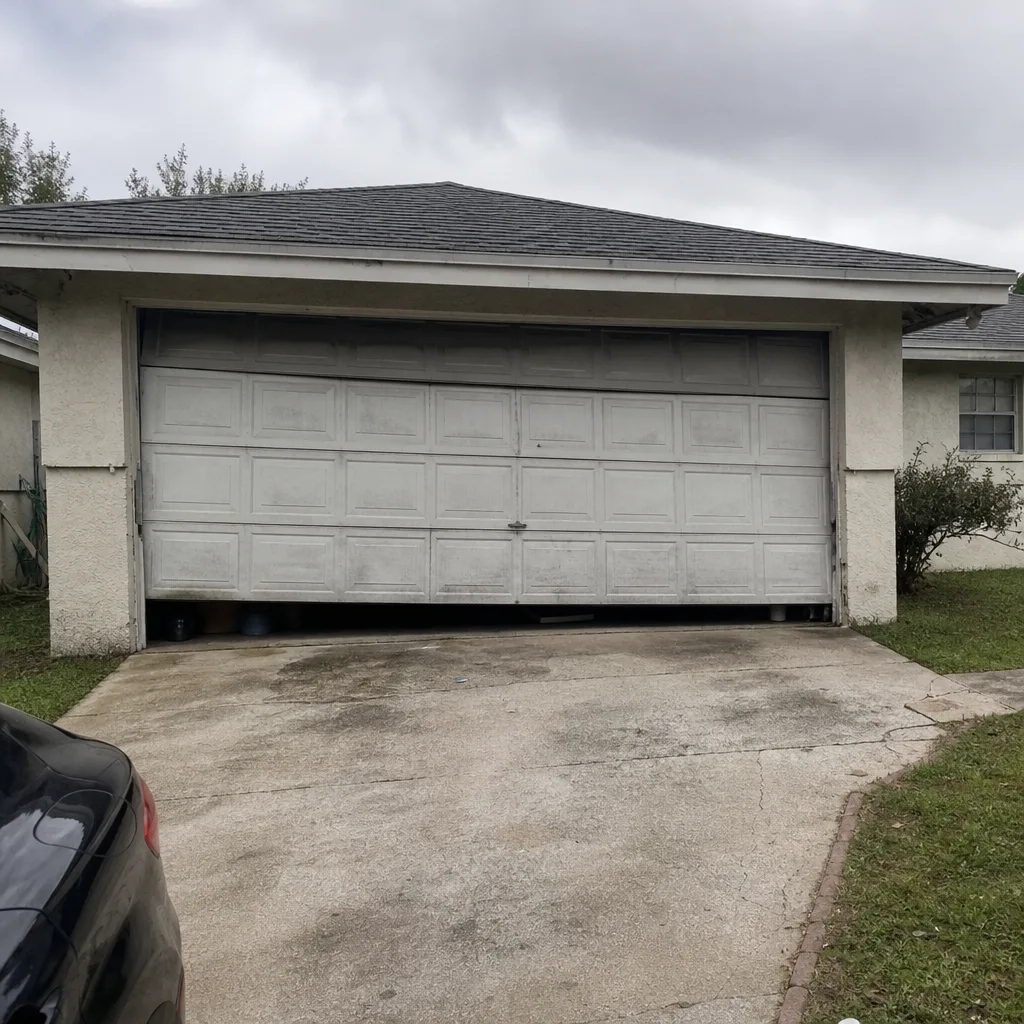 Before
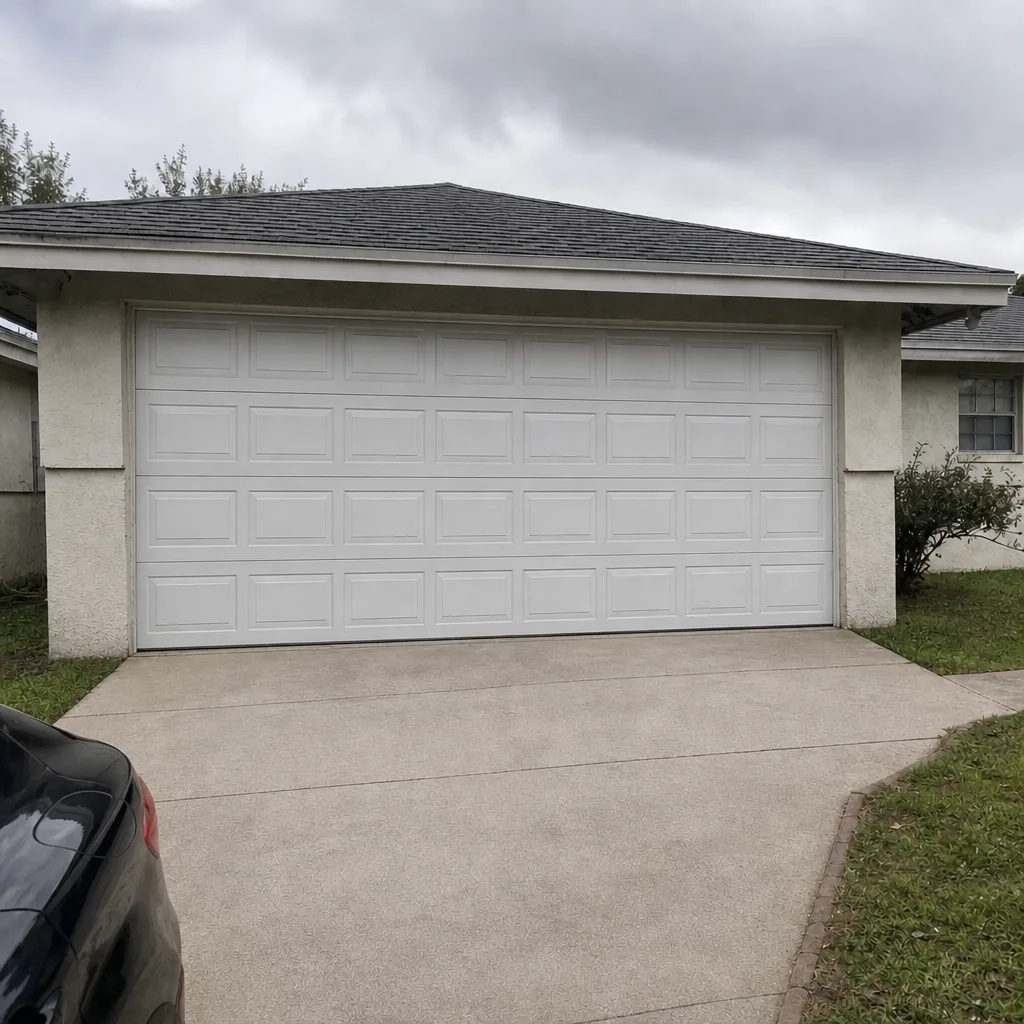 After
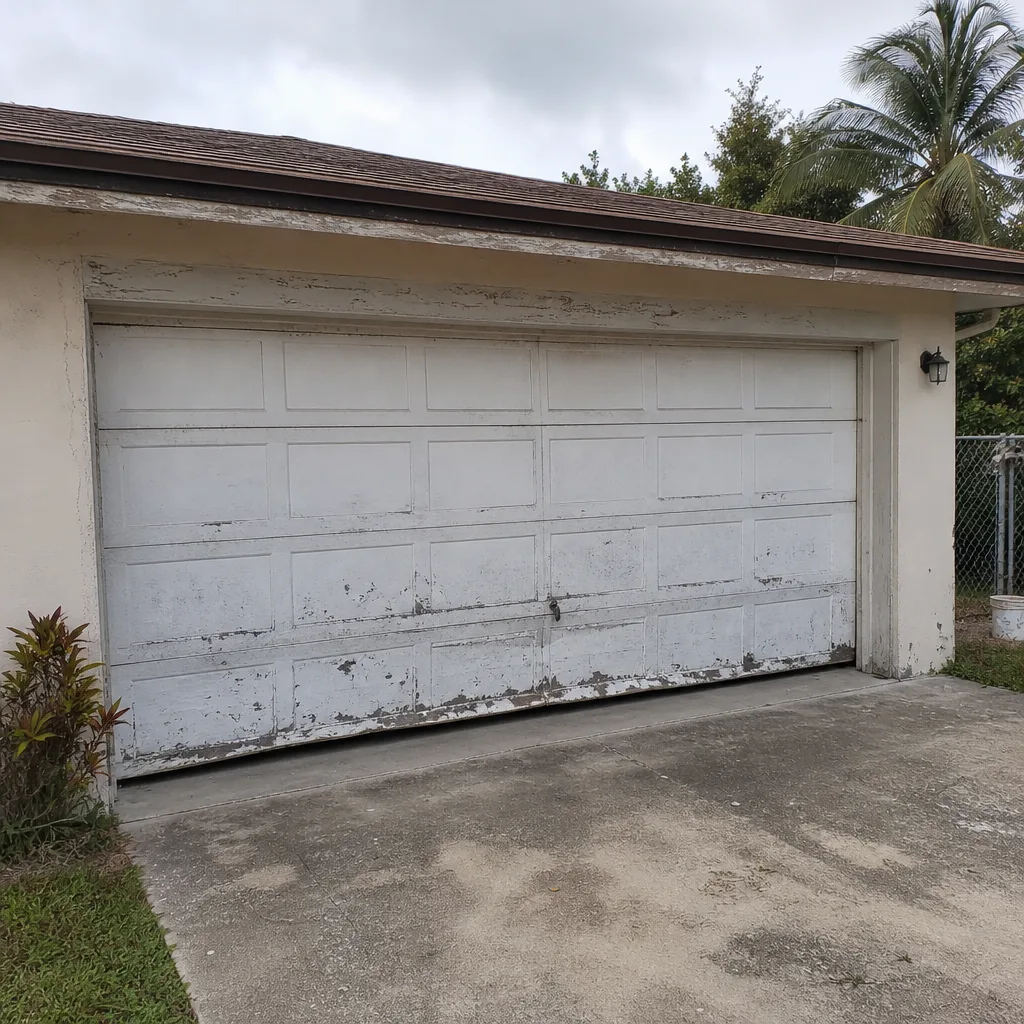 Before
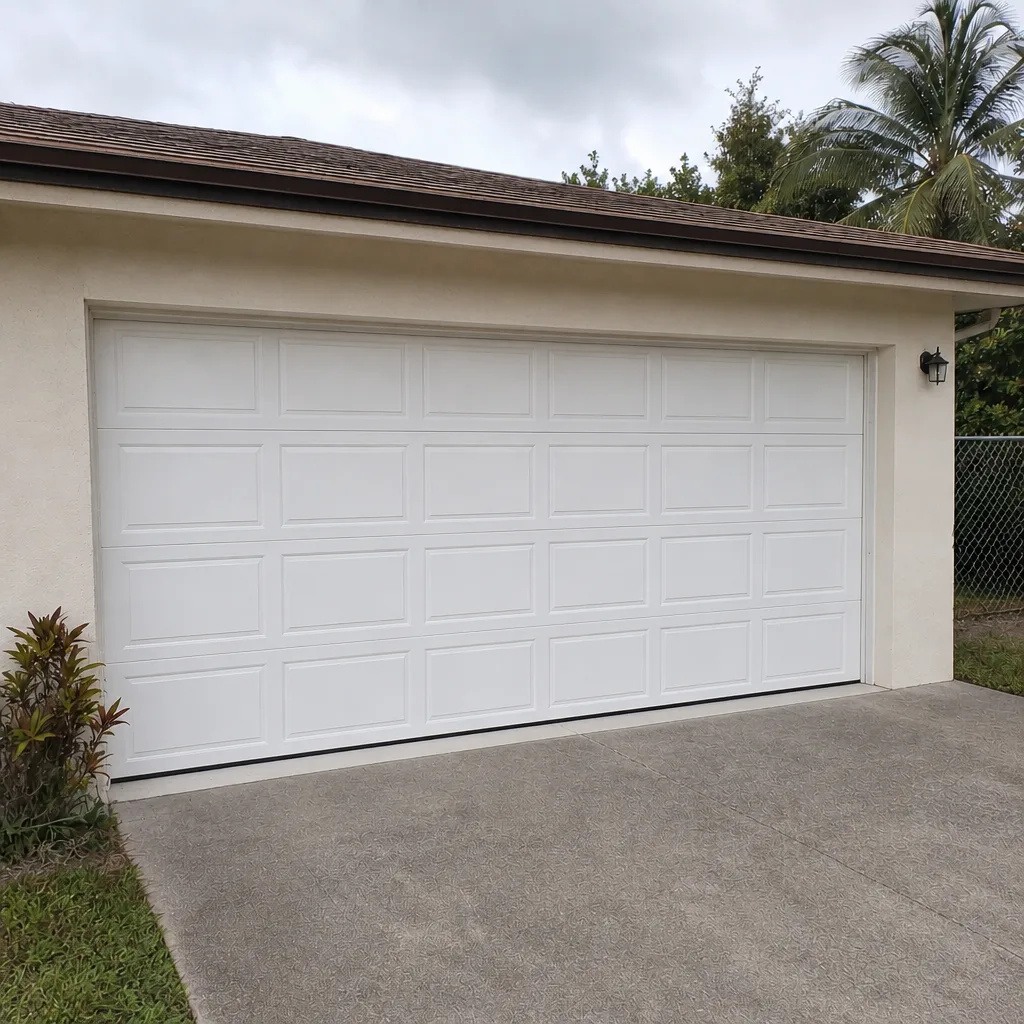 After
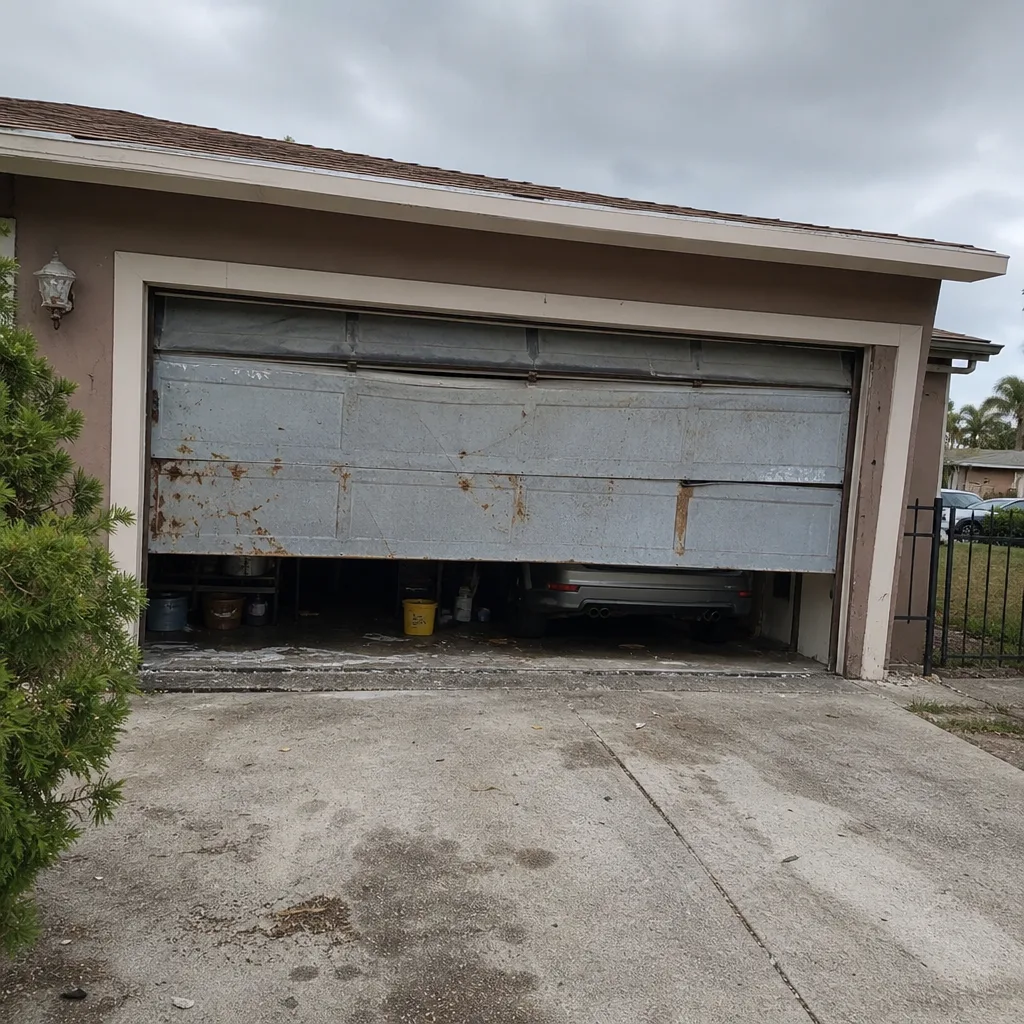 Before
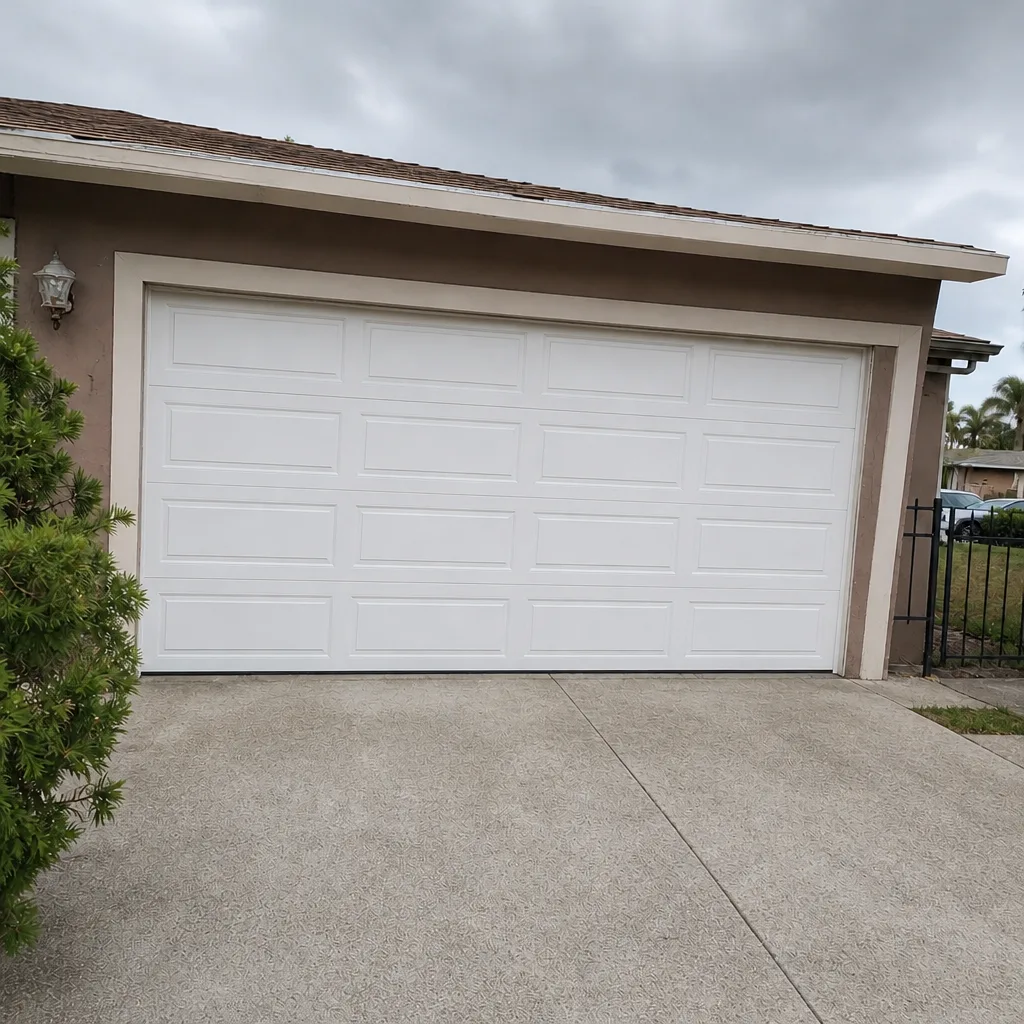 After
Frequently Asked Questions
Do five checks: confirm the door closes and locks manually with the opener disconnected (door fully closed, not mid-travel), verify the door meets Miami-Dade wind-load requirements and that the anchoring hardware is intact, test or install a battery backup opener rated for extended outages, photograph your NOA number and permit records, and know the post-storm inspection protocol so you don’t force a damaged door open. Do all five in calm weather, not the day a storm is named. Call (855) 360-7295 for a free estimate if anything needs a professional eye.
Confirm the door is fully closed, then pull the manual release cord straight down once. If the door still won’t lift, you likely have a spring or balance problem and should not force it. Do not touch the springs or cables. Call (855) 360-7295. We answer 24/7. A call outside dispatch hours is booked into the next opening, Sunday through Friday, 7am to 7pm.
Most battery backup openers are rated for a specific number of open-and-close cycles on battery power, not a fixed number of hours. The battery drains much faster if you use the door frequently, so reserve mode keeps the cycles available for when you need them. A sealed lead-acid backup battery degrades with age whether used or not, so test it quarterly by unplugging the opener. If it can’t run the door, replace it before storm season. Call (855) 360-7295 if you want the opener and battery checked.
The NOA number is usually on a label applied to the inside face of the door or on the opener’s product tag. Miami-Dade requires products to have a Notice of Acceptance for the county, so the number is the evidence your door is rated for local conditions. If the label is missing, check with the local building department for the permit record on the installation. Having both on file is what makes a storm claim easier to process. Call (855) 360-7295 if you want a technician to document your current setup.
No. A door that survived the wind can still have a shifted track, slack cable, or bent bracket that will catch the moment the opener runs. Photograph the door, inspect the tracks, cables, and panels visually, do not touch springs or cables, then test manually with the opener disconnected before reconnecting. If anything looks off, leave the door down. Call (855) 360-7295 to book a post-storm inspection.
Our technicians are state-licensed and insured for the work they perform, and have up to 8 years of experience across all major garage door and opener brands. Sunstone Garage Door Repair handles garage door repair, garage door opener repair, and full installation, so you don’t need to coordinate multiple providers for a door emergency. Call (855) 360-7295 for a free estimate in Miami Gardens. We answer 24/7. Fast dispatch from 7am to 7pm, Sunday through Friday.
The Bottom Line
The failure that matters in a Miami Gardens hurricane is usually not storm damage. It’s a door that couldn’t be hand-operated, an opener with no charged backup, a missing NOA, or a homeowner who skipped the inspection and forced a jammed door open. Each of those is fixable in calm weather for far less than the repair costs after the fact, and each is preventable with a twenty-minute check at the start of storm season. Learn the manual release procedure, know your wind-load status, keep the battery backup tested, keep the documentation in the cloud, and have a technician check the door before the first system forms. Sunstone Garage Door Repair works on the brand you already own, from LiftMaster openers to Clopay doors, with diagnosis first and work built to last, not to come back.
Call (855) 360-7295 for a free estimate. We answer 24/7. Fast dispatch from 7am to 7pm, Sunday through Friday. Whether you need a garage door opener repair before storm season or a full garage door repair after a system has passed, we’ll quote the price up front, before any work starts, and set it in writing. As a Sunstone Garage Door Repair customer, you get one company for repair, opener repair, and installation, and a team that knows Miami Gardens homes well enough to spot the failure before it finds you.
Related Reading
Written by the team at Sunstone Garage Door Repair.