
Last updated November 16, 2026
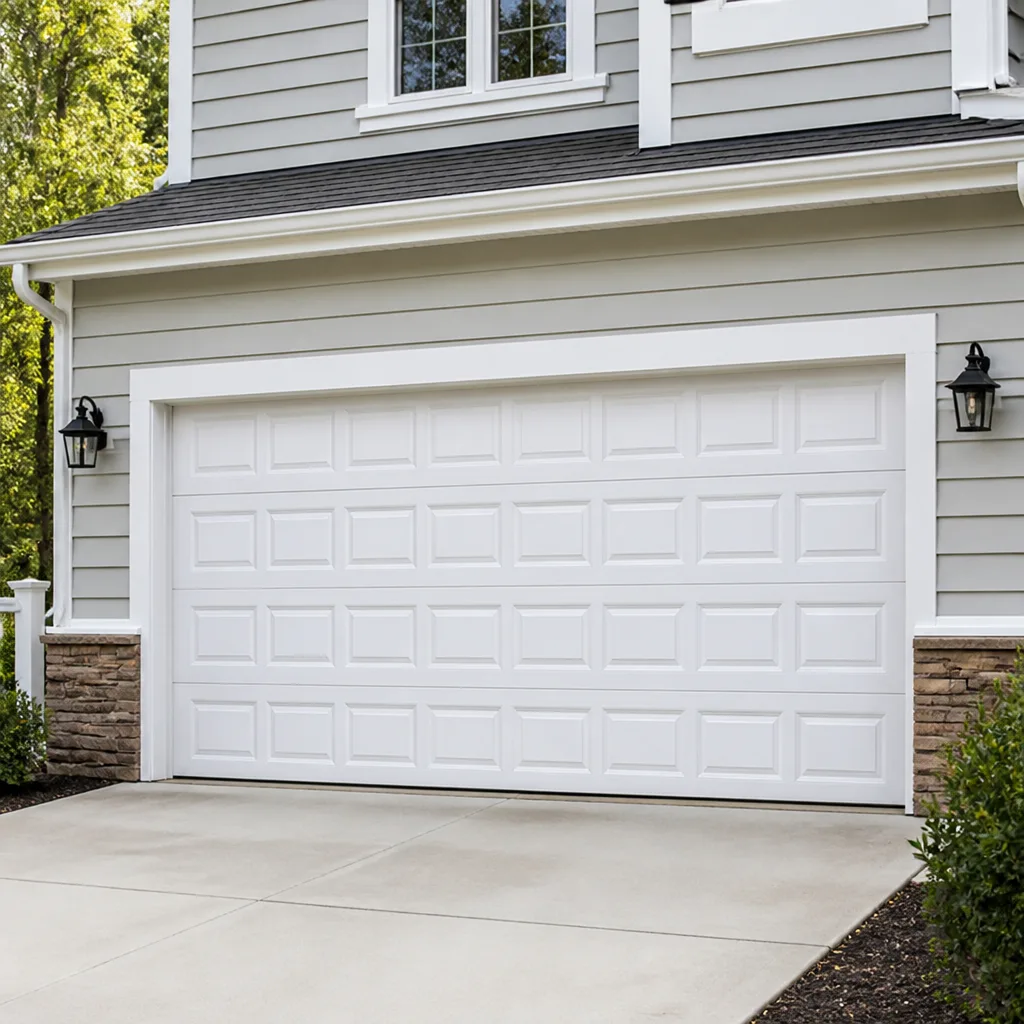 Raised-panel steel
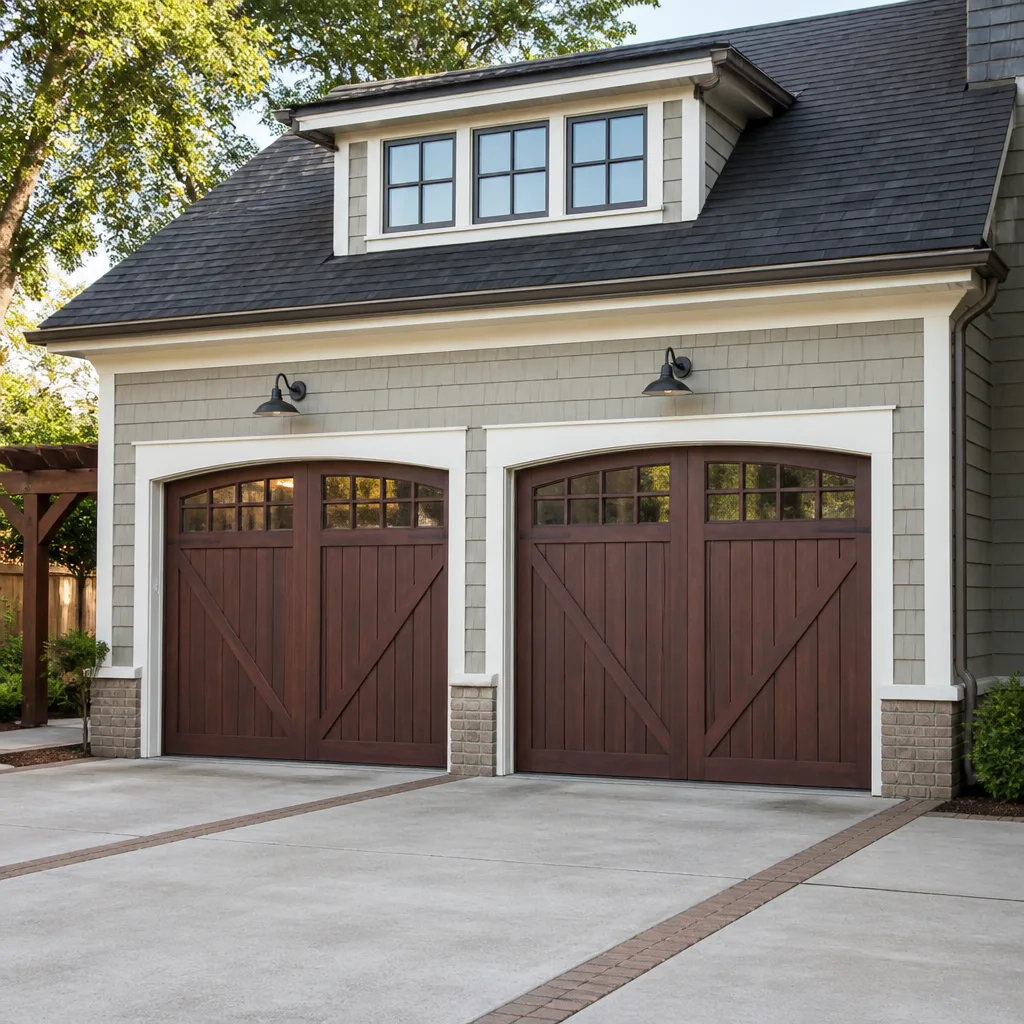 Carriage house
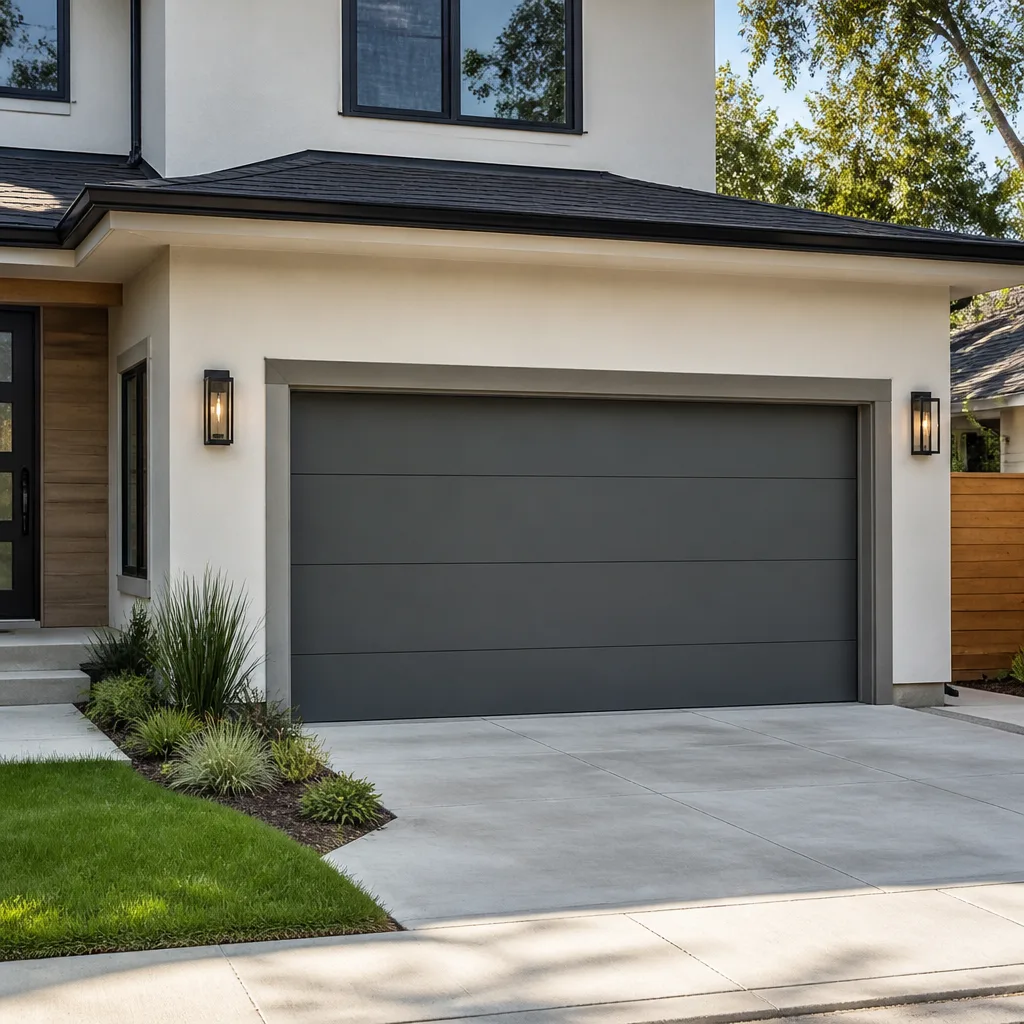 Modern flush
 Full-view glass
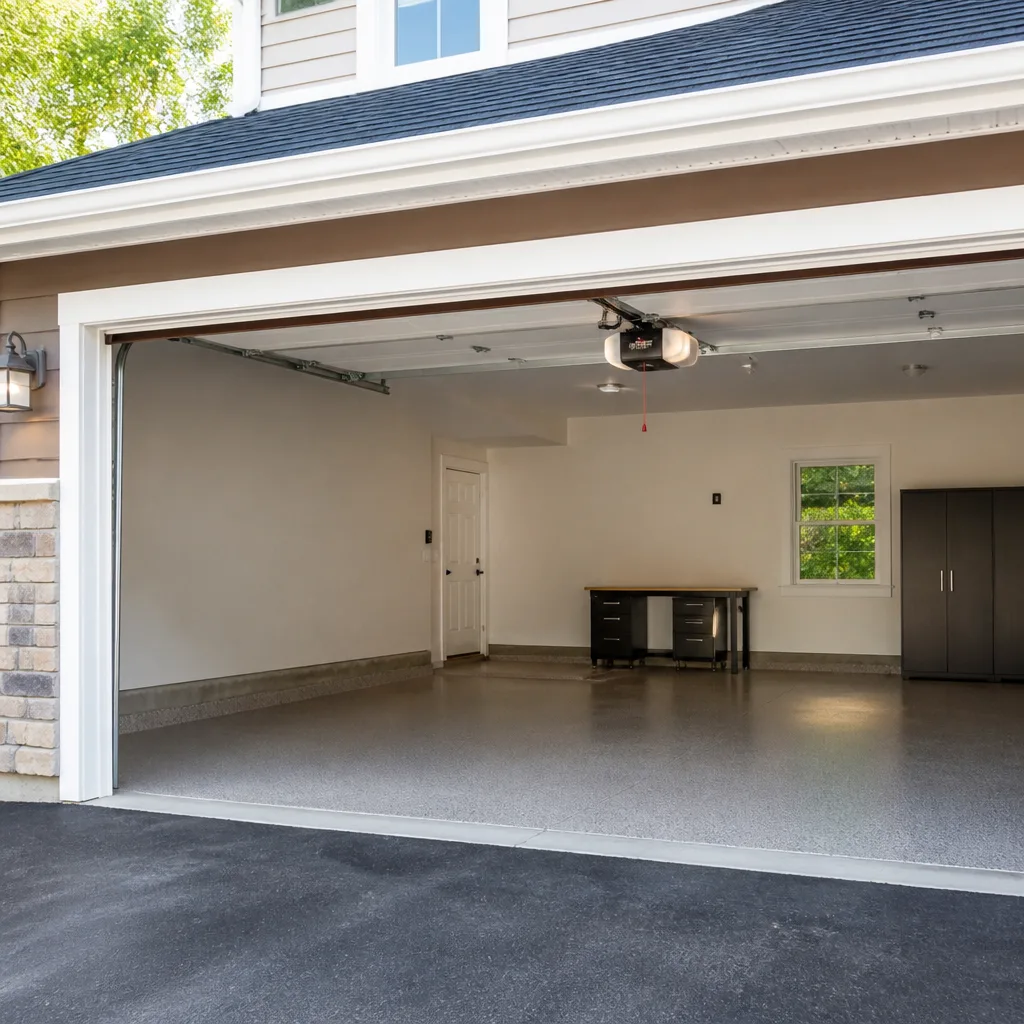 LiftMaster openers
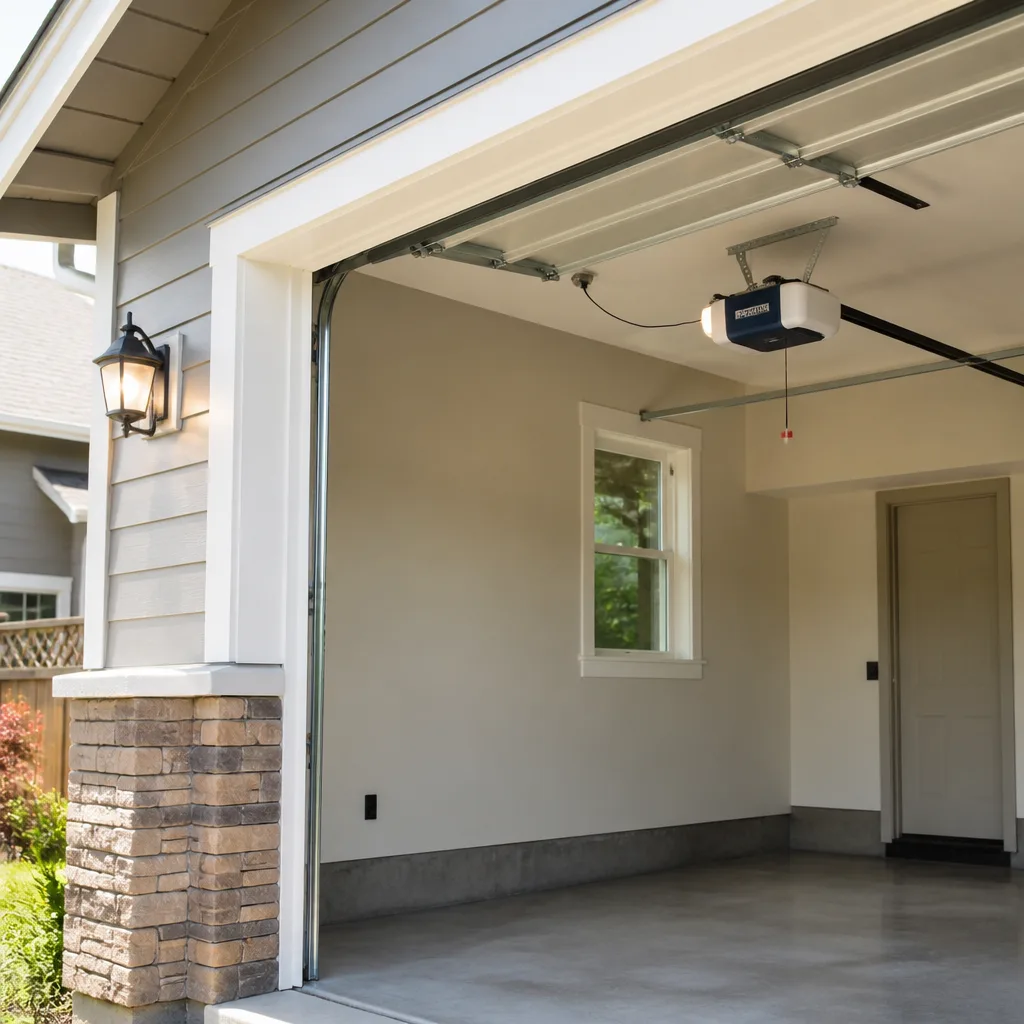 Chamberlain openers
Full 25-point door and opener safety check with every visit - springs, cables, rollers, tracks, and your LiftMaster or Chamberlain opener included
You get a price before we start. It does not change when the pro arrives.
Get your free estimateDIY vs Professional Garage Door: The Miami Gardens Homeowner’s Decision Guide
Most garage door advice splits every job into two boxes: something you can handle yourself, or something you should hand to a pro. That split misses the category that matters most to homeowners in Miami Gardens. Replacing a bottom seal is genuinely a weekend task, and tightening a loose hinge is fine with basic tools. Adjusting torsion spring tension is not. And then there’s a third category that almost no guide talks about: changes to wind-load certified hardware on a hurricane-rated door, which can quietly undercut the product approval your door was sold under and affect how an insurance claim is handled after a storm. This guide sorts the work into three honest boxes, safety and compliance included, so you can decide what’s worth doing yourself and what shouldn’t leave a licensed technician’s hands.
Quick Answer
In Miami Gardens, routine maintenance like lubricating tracks, replacing weatherseals, and aligning safety sensors is reasonable DIY work. Spring and cable work, panel replacement, and anything that touches wind-load rated hardware should go to a licensed professional, because those jobs carry serious injury risk and can affect your door’s Miami-Dade product approval. When in doubt, get a free written estimate before you touch anything structural.
Styles & brands we work with
- Raised-panel steel
- Carriage house
- Modern flush
- Full-view glass
- LiftMaster openers
- Chamberlain openers
Table of Contents
- The Three-Category Framework for Miami Gardens Garage Doors
- Which Garage Door Tasks Are Genuinely DIY?
- Why Torsion Springs Are in a Category of Their Own
- What DIY Modifications Mean for Your Miami-Dade Product Approval
- The Cost-Balance: DIY Savings vs. Real Risk
- How to Work With a Pro and Keep Your DIY Rights
- Common Mistakes to Avoid
- When to Call a Professional
The Three-Category Framework for Miami Gardens Garage Doors
Sorting garage door work by difficulty alone leads people into trouble. Difficulty tells you whether a job is hard. It doesn’t tell you whether a mistake is dangerous or whether it changes how your door is certified. We think about the decision in three separate categories, and the split holds up whether you own a Clopay steel door, an Amarr carriage-style model, or an older door with a chain-drive opener.
Category one: DIY-appropriate
These are the tasks where a careful homeowner with basic tools and a free afternoon gets a good result and the worst outcome is a job that needs redoing. Lubrication, weatherseal replacement, track cleaning, photo-eye alignment, and light hardware checks all live here. No springs, no cables, no load-bearing parts. If a task involves taking weight off the door or releasing tension, it moves out of this category immediately.
Category two: professional-required for safety
Torsion springs, extension springs, cables, drums, and rollers under load. These parts store enormous mechanical energy, and the failure mode isn’t a crooked panel. It’s a released spring or a snapping cable. That’s true on every door, in every state, and no amount of video instruction changes the physics.
Category three: professional-required for compliance
This is the category most guides skip. A garage door in Miami Gardens is a building envelope component in a high-wind region. Whatever certification or product approval the door carried when it was installed depends on the hardware staying as designed. Swap a rated strut for a generic one, drill new holes in a reinforced panel, or replace an approved hinge with a hardware-store substitute, and you may have changed a tested assembly into an untested one.
When we look at garage door repair requests in Miami Gardens, the ones that worry us most aren’t the obvious spring breaks. They’re the doors where someone reworked certified hardware themselves and the door now looks fine but no longer matches its approval. That’s a quiet problem until a storm makes it a loud one.
Which Garage Door Tasks Are Genuinely DIY?
Plenty of garage door upkeep is reasonable DIY work, and doing it yourself keeps the door in better shape between professional visits. The rule of thumb: if a task involves cleaning, lubricating, sealing, or a sensor you can see and reach, it’s fair game. If it involves tension or structure, it isn’t.
DIY tasks we consider reasonable
- Lubricating tracks, rollers, and hinges. A silicone-based lubricant on the rollers and hinges and a dry or silicone spray in the track keeps movement smooth. Miami Gardens humidity makes smooth operation matter more than it would in a dry climate because grime and moisture combine into a paste that strains the opener.
- Replacing the bottom weatherseal. A cracked or flattened seal lets rain and pests in and lets cooled air out. The seal usually slides or pulls out of a retainer on the bottom panel. This is straightforward and reversible.
- Cleaning the tracks. Grime builds up in the channel and makes the door drag. A damp cloth and a dry finish is all it takes.
- Aligning safety sensors. The two photo eyes near the floor bracket need a clear line of sight. Straightening a bumped bracket and wiping the lenses is a five-minute job.
- Testing the door’s balance. Disconnect the opener and lift the door by hand to mid-height. A door that stays put is balanced. A door that drops or rises on its own needs a professional look, not a DIY adjustment.
What keeps these tasks DIY-safe
The common thread is that none of these tasks change the door’s structural configuration, and none of them put your hands near a tensioned spring or cable. You can lubricate a Clopay or Wayne Dalton door yourself without touching anything that carries a product approval. That’s the line that matters in Miami Gardens, and it’s a line worth learning before you start any job.
Spend fifteen minutes on lubrication and weatherseal checks twice a year. It’s the cheapest insurance against a repair bill you didn’t plan for, and it preserves the door’s original configuration rather than altering it.
Why Torsion Springs Are in a Category of Their Own
A torsion spring stores enough energy to lift a door that weighs well over a hundred pounds, and releasing that energy incorrectly is one of the more dangerous things a homeowner can attempt. This isn’t a difficulty complaint. It’s physics. A spring under tension fails all at once, and the energy has to go somewhere.
The tools most DIY kits don’t include properly
Serious spring work calls for matched winding bars of hardened steel sized to the spring’s cones, a spring scale to check lift, and the knowledge to match a replacement spring’s wire diameter and inside diameter to the door’s weight and cycle count. Substituting a bar that’s too soft, or guessing at a spring’s rating, is where DIY spring jobs go wrong. A hardware-store substitute doesn’t cut it, and neither does a tutorial.
The knowledge gaps that matter more than the tools
- Spring sizing is a system, not a part number. A spring that’s close but not right can overload the opener or leave the door unbalanced.
- Cable tension is set together with spring tension. Release one without the other and you’re working with a moving load.
- Wind-load hardware on hurricane-rated doors is part of the tested assembly. Adjusting or swapping a rated component isn’t a maintenance task; it’s a modification.
This is the point where we always recommend a trained professional. Our technicians have up to 8 years of experience, and even at that level spring work is a deliberate, careful job with the right tools, not a quick fix. If a spring has broken or you hear a bang from the garage, stop and call. Don’t try to open the door by hand while the spring is broken; the door can come down hard. For a broken spring or a door that won’t lift, our garage door repair service in Miami Gardens handles the diagnosis and the repair, and we do it without guesswork. Call (855) 360-7295. We answer 24/7. Fast dispatch from 7am to 7pm, Sunday through Friday, so a failed spring doesn’t leave you parking in the driveway for days.
What DIY Modifications Mean for Your Miami-Dade Product Approval
Garage door assemblies in South Florida are commonly installed under a Miami-Dade County product approval, usually referred to as a NOA, which confirms a specific door and hardware combination has been tested for wind load. Mess with that combination and you may be running an untested assembly on your house. That’s the third category of the decision, and it’s the one homeowners ask about least and should ask about most.
What a product approval actually covers
An approval covers the door and the hardware as a tested system: the panels, the struts, the hinges, the brackets, the track, and the anchoring. It’s specific. A door approved for a given wind pressure with a specific number of struts and specific hinge types isn’t approved if a homeowner adds reinforcement their way or swaps a rated bracket for something from the bin at the hardware store.
How DIY work can quietly void it
- Drilling new holes in a rated panel to mount a non-rated bracket or reinforcement.
- Replacing an approved hinge, roller, or strut with a generic part that wasn’t tested in that position.
- Removing a reinforcement strut because it seemed unnecessary, especially after installing a new opener.
- Adding a hurricane brace or reinforcement kit that wasn’t part of the tested assembly.
- Replacing a full door with a model that isn’t approved for your wind zone.
Each of these changes what the assembly is. The door might still look fine and lift smoothly. But the tested system that the approval covered is no longer the system on your house, and that’s what a claim after a storm can turn on. We don’t hand out legal advice, and every policy and every claim is different; a conversation with your insurer before you modify a rated door is worth more than anything a repair shop can tell you.
How to protect the approval while you still handle routine maintenance
Keep a copy of the door’s product approval and the installation paperwork if you have it. Note the model and any hardware that came with it. Do the routine maintenance yourself, and leave rated hardware to a professional who will document what was replaced and match the original parts. If a part is discontinued, a qualified installer can help you find a rated replacement that keeps the assembly compliant. That’s the difference between keeping a compliant door and having an unverified one.
The Cost-Balance: DIY Savings vs. Real Risk
DIY saves money up to a point, and past that point the money you save is smaller than the risk you take on. The line sits at anything involving tension, structure, or rated hardware. Everything below it is a fair trade.
Where DIY is worth it
Lubrication, weatherseal replacement, sensor alignment, and light cleaning cost little in materials and take an hour or two. Done consistently, they extend the life of the rollers, reduce strain on the opener, and keep a door closer to a professional checkup condition. The savings are real, and the risk is minimal.
Where DIY costs more than it saves
- Spring or cable work. A DIY injury is the real cost here, not a repair bill. The tools and skill required make it a poor candidate for a weekend project, and a mistake with a piece of ranked hardware on a hurricane-rated door adds compliance risk on top of the safety risk.
- Rated hardware swaps. Even a small change to tested hardware can leave you with a door that no longer matches its approval. That’s a risk that shows up after a storm, not during the repair.
- Opener repair. Openers on the major brands, including Genie and LiftMaster, have model-specific logic boards and travel limits. Trial-and-error part swapping gets expensive faster than a proper diagnosis.
An honest estimate stays a written estimate
When you do call a professional, the price is quoted and agreed before any work starts. That’s the point of the estimate. You’re not buying a surprise, you’re buying a job done to a written scope at a price you approved. We don’t quote a fee or a trip charge to look at a door; the written estimate sets the price.
For maintenance and repair work, calling us costs you nothing but a few minutes. For a full replacement or a new install, the same rule applies: the price you agree is the price. See what we cover across our Sunstone Garage Door Repair services and ask for a free estimate.
How to Work With a Pro and Keep Your DIY Rights
The best outcome for most homeowners is a partnership, not a handoff. A professional handles the structural and safety work, and you keep doing the maintenance yourself. Done right, that preserves both your door’s warranty and its compliance status, and it keeps costs down over the years.
A practical way to split the work
- Book a professional inspection of the door and opener once a year. A technician checks the springs, cables, rollers, hinges, track alignment, and opener calibration. A good inspection catches small problems before they become failures.
- Ask for a written scope of any repair. Know which parts will be replaced, whether they’re rated hardware, and why they’re being changed. Rated parts need to be matched to the door’s approval.
- Keep a service record. Note the dates, the parts replaced, and the model numbers. If a rated part is swapped, the record is what protects you at claim time.
- Handle routine maintenance yourself between visits. Lubricate, replace the weatherseal, clean the tracks, and test the sensors. That’s the part of the job you can own.
- Ask before you modify anything structural. A hinge swap on an approved door is a compliance question, not a maintenance one. A quick call to your installer before the change is worth it.
What to ask before you hire
- Do you work on my door and opener’s brand? Brand specialists diagnose faster because they know how a given model behaves, and we work on the brand you already own, across garage door opener repair and door work from Genie, Clopay, Amarr, and Wayne Dalton.
- Can you confirm that replacement parts match the door’s rated configuration?
- Is the estimate written before the work starts?
- Will you document what changed?
A specialist who can answer those questions protects the work you do yourself just as much as it protects the work they do.
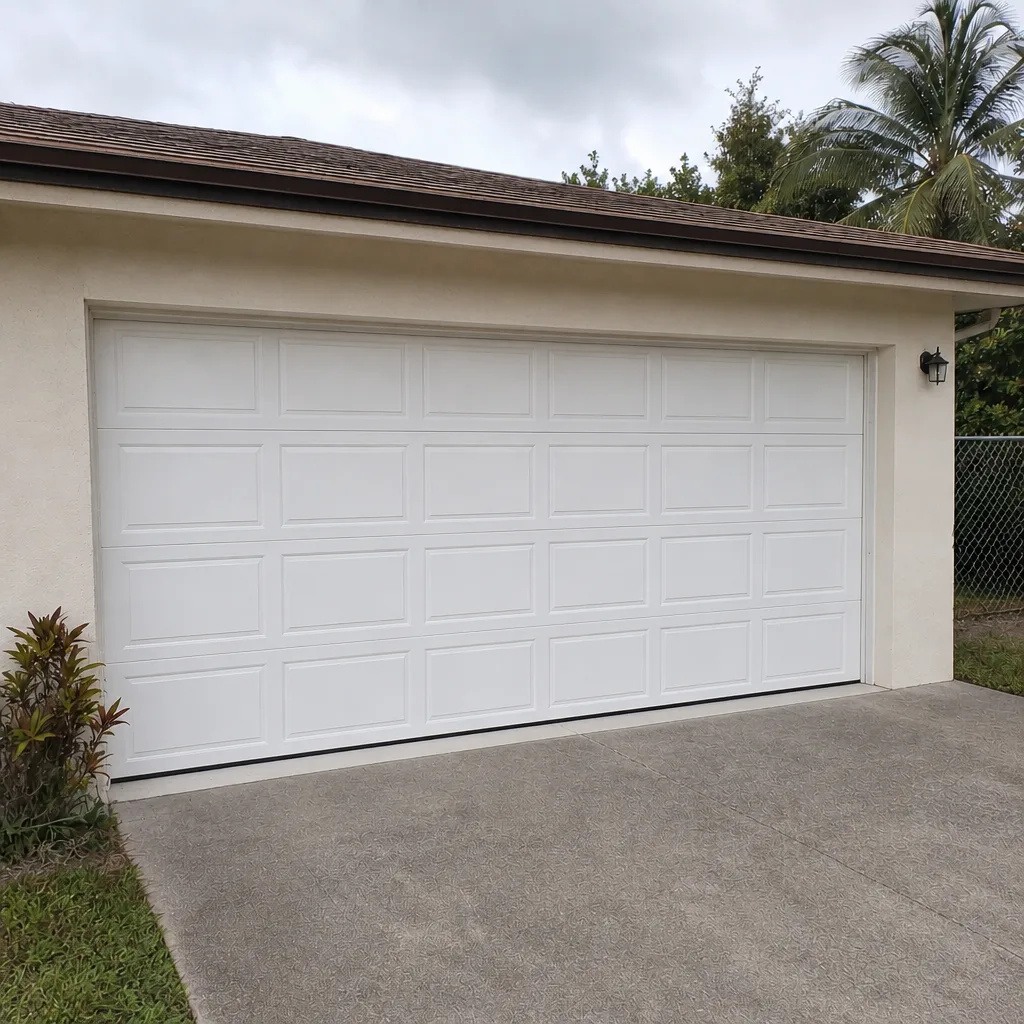
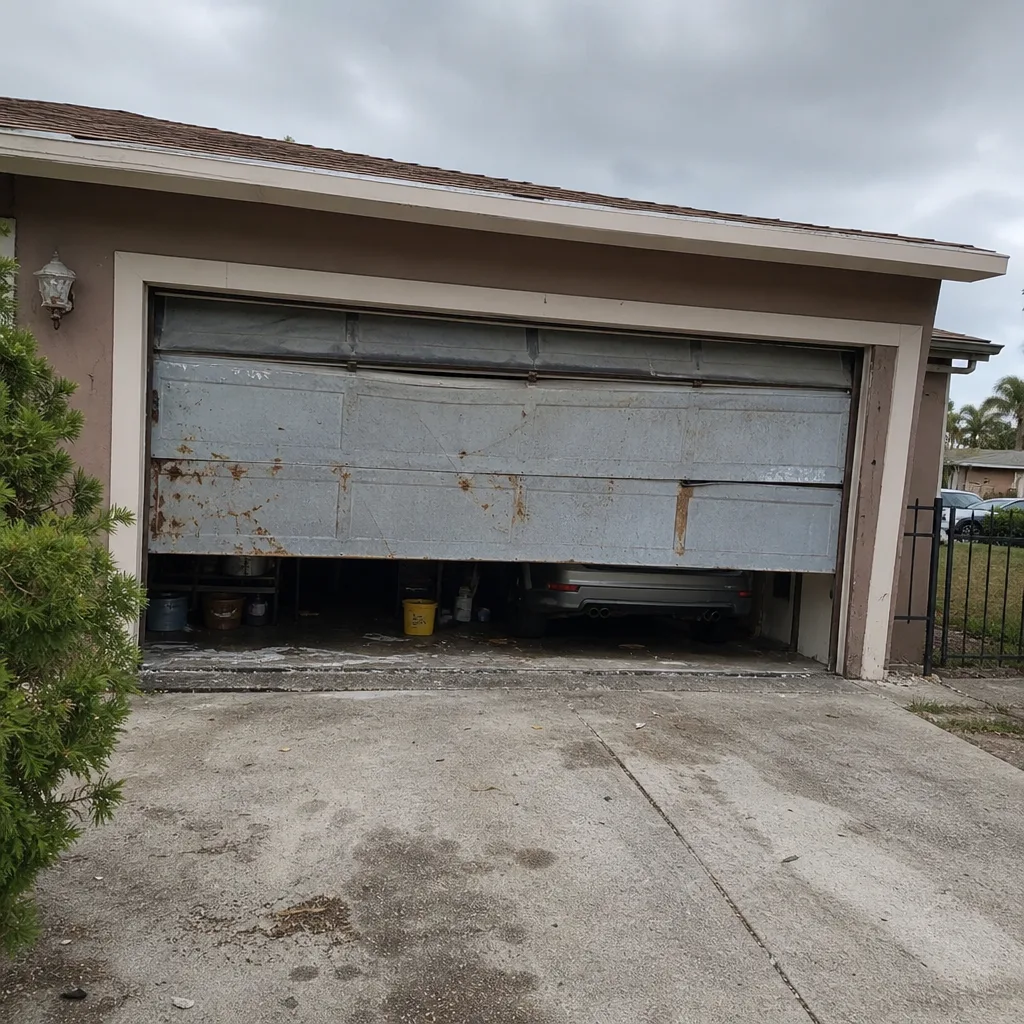
See the difference
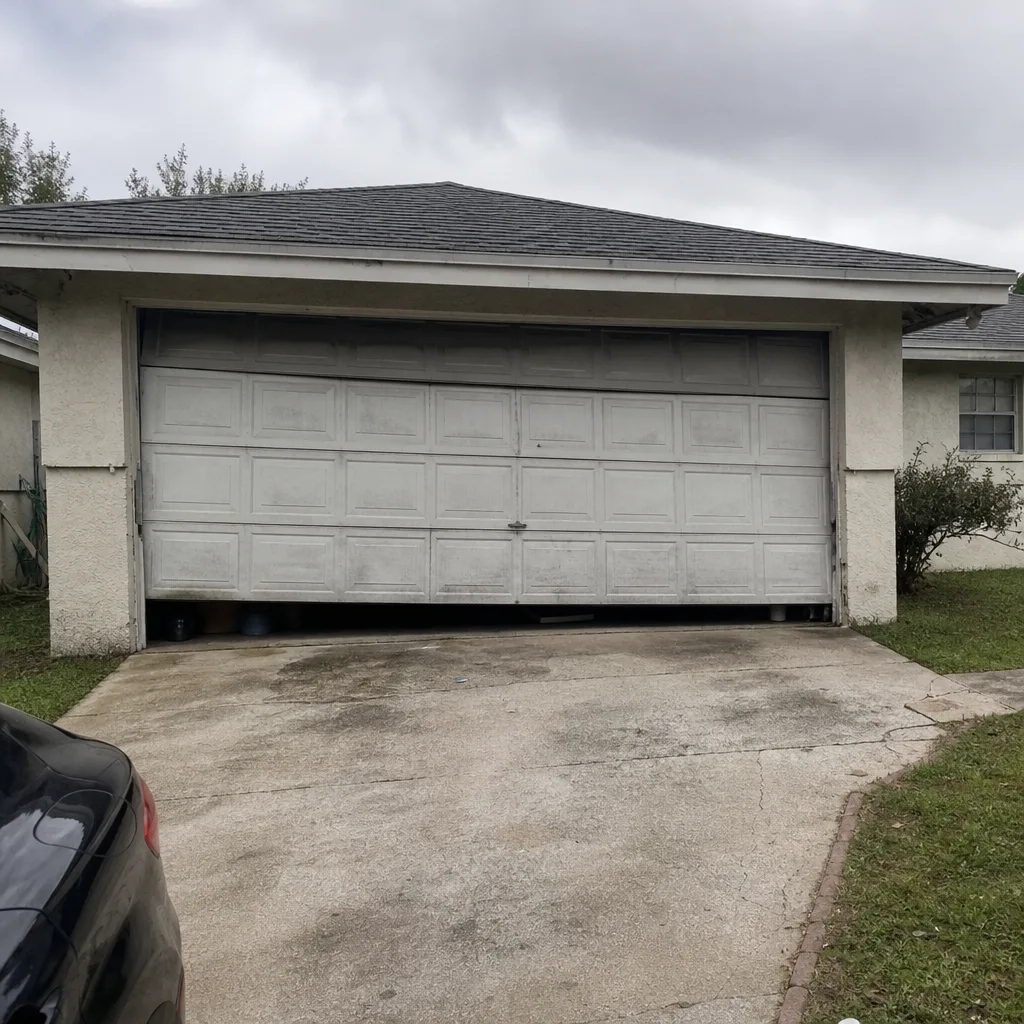 Before
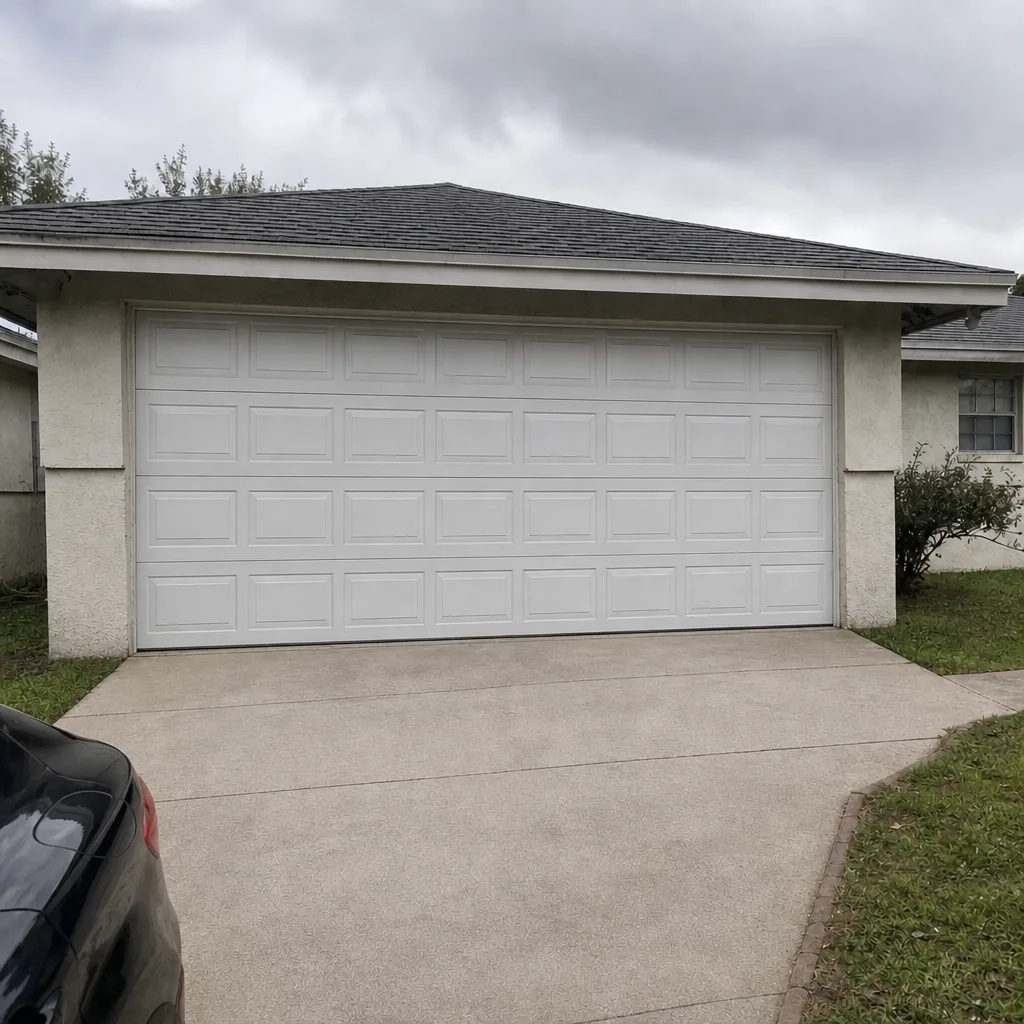 After
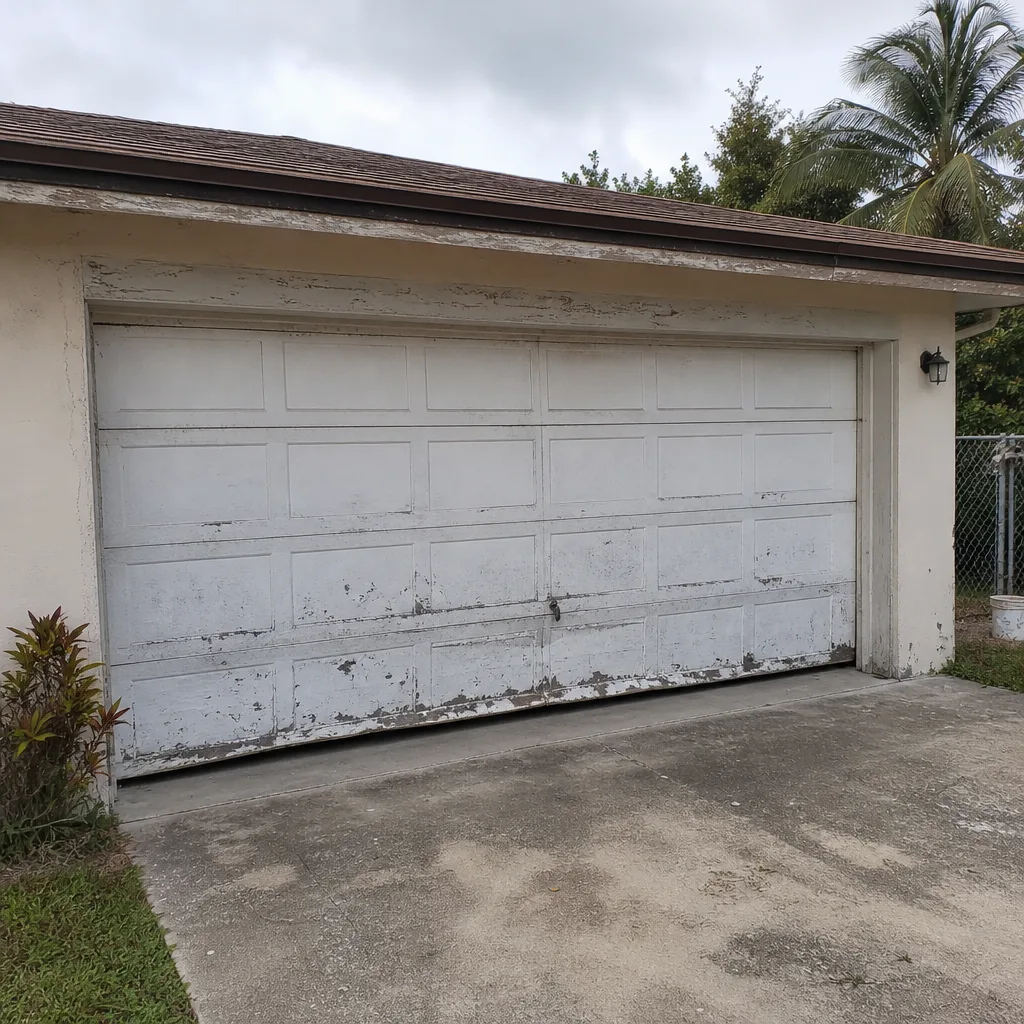 Before
 After
 Before
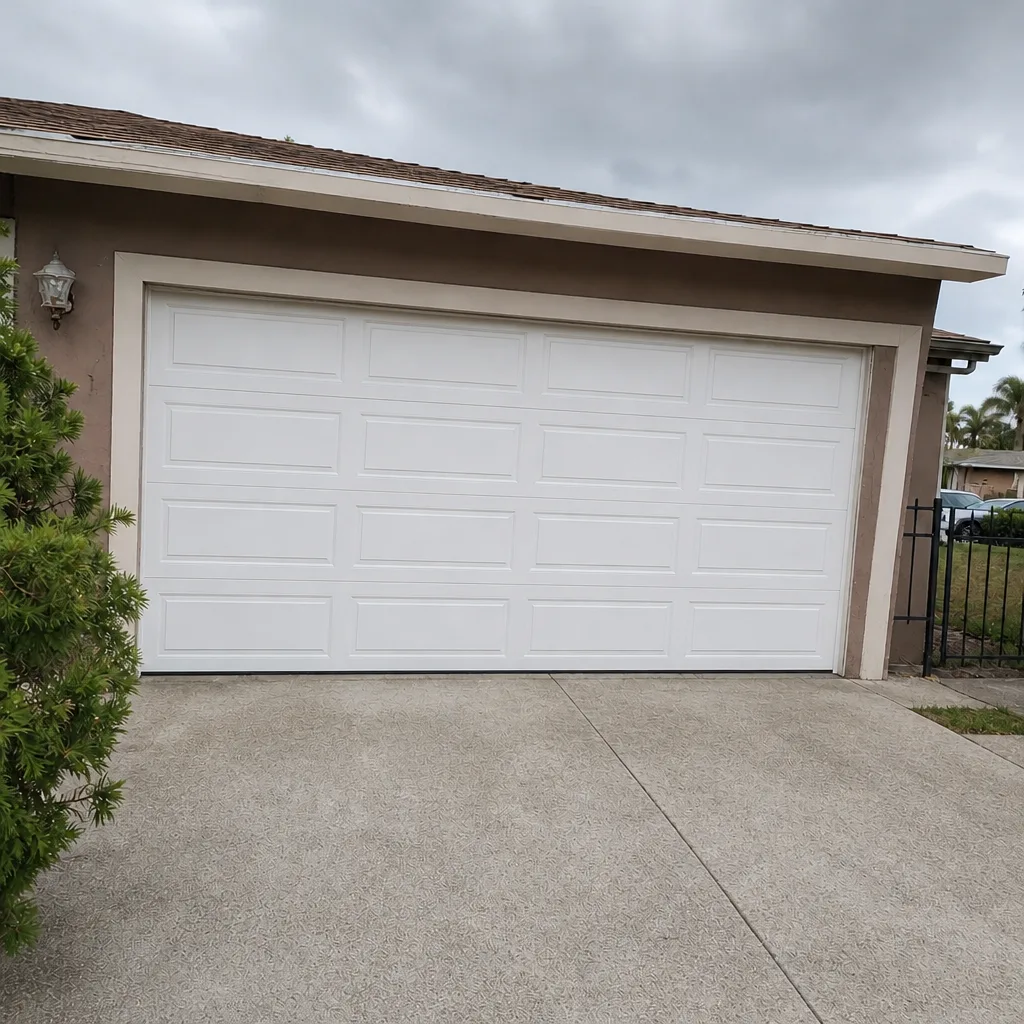 After
Common Mistakes to Avoid
- Treating a broken spring as a maintenance task. A torsion spring failure is a safety event, not a weekend project. Nearly every spring injury we hear about starts with a homeowner trying to save an hour.
- Swapping rated hardware because a generic part fits. A part that fits isn’t the same as a part that matches the door’s approval. On a hurricane-rated door in Miami Gardens, that difference can matter at claim time.
- Adding a reinforcement strut without knowing the door’s approval. Extra reinforcement can seem like an upgrade, but if it’s not part of the tested assembly it can change the door’s configuration. Ask before you add.
- Trying to diagnose a modern opener by trial and error. Travel limits, force settings, and logic boards on brands like Genie and LiftMaster don’t respond to part swapping. Diagnosis first saves parts and money.
- Skipping lubrication because humidity makes more mess. South Florida’s damp air turns track grime into a paste that strains the opener. Skip the lubrication and you shorten the life of the rollers and the opener.
- Calling a general handyman for structural work. A handyman can clean a track; spring and rated hardware work needs a garage door specialist who can match parts and document the job.
- Ignoring a retrofit or door replacement question after a storm. If a storm door damage claim is denied or the door’s approval is uncertain, the fix is a rated replacement, not a DIY repair. Plan that with a professional.
- Pulling a broken door up by hand. If the spring or cable is broken, a door can come down hard. Stop, close it if you can safely, and call.
When to Call a Professional
Call for anything involving springs, cables, rated hardware, opener electronics, or a door that has come off its track. Call if a door is sagging, if the opener runs but the door doesn’t move, if you hear a loud bang from the garage, or if the door doesn’t close evenly. Call if you’re buying a new door in Miami Gardens, because the assembly needs to be approved for the wind zone and the install needs to match the approval. And call if a storm has damaged the door and you’re unsure about the insurance angle: a professional can tell you whether the door is repairable in place or needs a rated replacement.
Sunstone Garage Door Repair offers free estimates in Miami Gardens. Call (855) 360-7295. We answer 24/7. Fast dispatch from 7am to 7pm, Sunday through Friday, and any call outside dispatch hours is booked into the next opening. Our technicians have up to 8 years of experience, and the price is quoted and agreed before any work starts, so you always know the cost before we touch the door.
Frequently Asked Questions
No. Torsion and extension springs are under heavy tension, and a mistake can cause serious injury; properly sized winding bars and a spring scale plus the knowledge to match the spring to the door are essential, and the failure mode of getting it wrong is a released spring or cable, not a crooked panel. Our technicians have up to 8 years of experience and even they work springs carefully with proper tools. Call (855) 360-7295 for a free estimate.
It can, especially on a hurricane-rated door. Product approvals in Miami-Dade cover the door and hardware as a tested assembly, and modifications like drill holes in rated panels, swapped rated hinges, or added reinforcement can change that assembly. Routine maintenance such as lubrication and weatherseals is generally fine. Check with your door manufacturer and your insurer before modifying rated hardware.
Yes, for the tasks that don’t involve tension or rated hardware. Lubricating tracks, cleaning rollers, replacing the bottom weatherseal, aligning safety sensors, and testing balance are worth doing and cheap to maintain; an inspection once a year catches what maintenance can’t. Call (855) 360-7295 when something more than maintenance needs to happen.
The price is set per job by a written estimate, so the range depends on the problem and the parts. The estimate is free, and the price is agreed before any work starts. Call (855) 360-7295 for a free estimate and an exact written number.
A qualified garage door specialist can match rated replacement parts to the door’s product approval and document the change, which is what protects the assembly. Generic parts from a hardware store don’t carry that guarantee. Ask before any rated part is swapped, and keep the paperwork.
Yes, treat it as one for your house. A broken spring usually means the door can’t safely be opened by hand, and a door that falls can hurt someone; a car parked under the door and a household that needs to get out in the morning make it urgent. We answer 24/7. Fast dispatch from 7am to 7pm, Sunday through Friday, and any call outside dispatch hours is booked into the next opening.
The Bottom Line
The garage door in Miami Gardens splits into three jobs, not two. Maintenance that involves cleaning, sealing, and adjusting sensors is yours. Work that involves springs, cables, or structure belongs to a specialist. And modifications to the hardware behind a door’s wind-load approval belong with a professional who can match rated parts and document the change, because that’s where the cost of a DIY mistake can outrun the savings by a wide margin. Get a free written estimate before you touch anything structural, keep a service record, and do the maintenance yourself between visits.
Call (855) 360-7295 for a free estimate. We work on the brand you already own, diagnose first, and quote the price before the work starts. Our Miami Gardens page shows the full scope of what we handle across repair, opener repair, and installation.
Written by the team at Sunstone Garage Door Repair.